
Marine Velvet Disease Treatment: Amyloodinium in Reef Fish
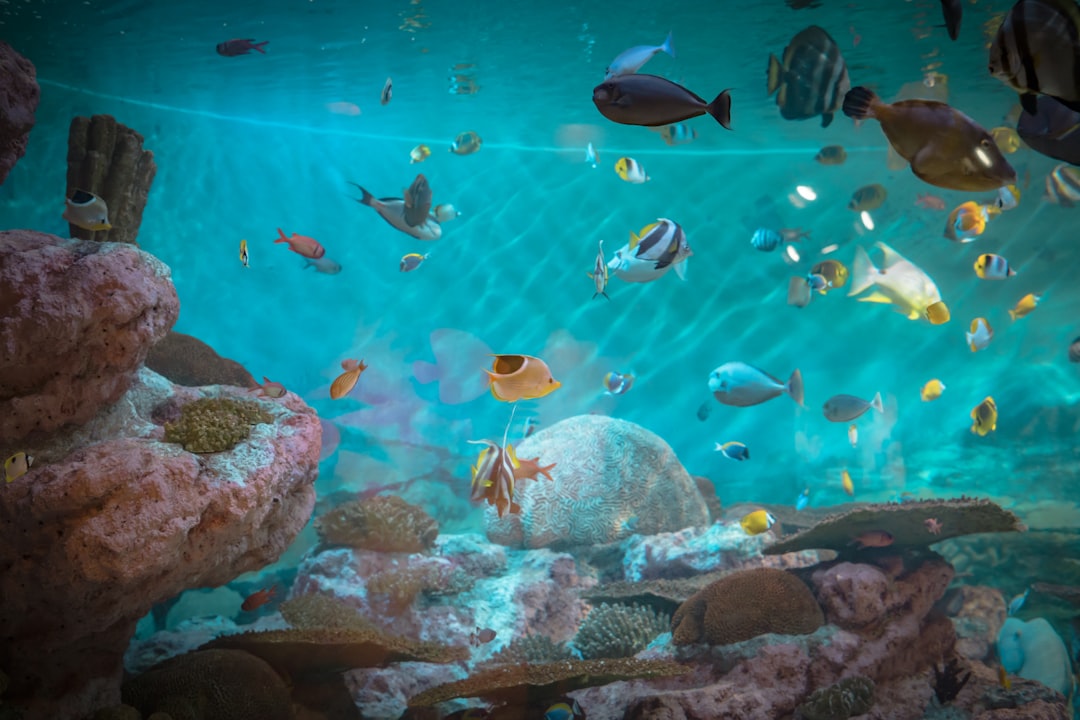
Marine velvet is the single deadliest parasitic disease in saltwater fishkeeping. Amyloodinium ocellatum can wipe out an entire tank of fish within 48-72 hours if left untreated, moving faster and killing more efficiently than marine ich. Recognising the early signs and acting immediately is the difference between losing one fish and losing all of them. This marine velvet disease treatment guide from Gensou Aquascaping at 5 Everton Park, Singapore covers identification, treatment protocols and the prevention strategies that every reef keeper must understand.
Identifying Marine Velvet
The hallmark of Amyloodinium ocellatum infection is a fine, dusty or velvety coating on the fish’s body and gills — much finer than the distinct white spots of marine ich. Affected fish appear as though they have been dusted with powdered sugar or gold dust. However, gill infection often precedes visible body symptoms, so the first signs are usually behavioural: rapid breathing, gasping at the surface, flashing against rocks and sudden lethargy. By the time the velvet coating is clearly visible on the body, the disease has often progressed to a critical stage. This guide sits inside our broader Saltwater Reef Tank Master Guide reference.
Use a torch to shine light across the fish at an angle — the fine parasites reflect light and become more visible against the body surface.
Understanding the Life Cycle
Amyloodinium has three life stages. The trophont attaches to the fish and feeds on skin and gill tissue. After feeding for several days, it drops off as a tomont and encysts on the substrate or rock, dividing internally into hundreds of dinospores. These free-swimming dinospores must find a host within 24-48 hours or perish. The entire cycle completes in 7-14 days depending on temperature — faster in Singapore’s warm waters, which accelerates both the disease progression and the urgency of treatment.
Treatment Protocol: Copper
Copper is the most effective treatment for marine velvet. Transfer all fish to a bare-bottom quarantine tank and dose chelated copper sulfate (such as Copper Power or Seachem Cupramine) to maintain 0.5 ppm (chelated) or 0.15-0.25 ppm (ionic copper, measured as free copper). Test copper levels twice daily with a reliable test kit matched to your copper type — the margin between therapeutic and toxic doses is narrow.
Maintain therapeutic copper levels for a minimum of 30 days. The encysted tomont stage is resistant to copper, so treatment must continue long enough to kill all dinospores as they emerge over multiple cycles. Perform daily water changes of 10-20 percent, re-dosing copper to maintain target levels after each change.
Emergency Freshwater Dip
While preparing your quarantine tank, a freshwater dip provides immediate but temporary relief. Match the freshwater temperature and pH to your tank water (use a dechlorinator and pH buffer), then immerse the affected fish for 3-5 minutes. This osmotic shock kills trophonts on the skin and gills, buying time. A freshwater dip alone will not cure velvet — it must be followed by sustained copper treatment.
Treating the Display Tank
Once all fish are removed to quarantine, the display tank must run fish-free (fallow) for a minimum of 76 days at 25-27 degrees Celsius. This extended fallow period ensures all encysted tomonts exhaust their dinospore production without finding a host. Invertebrates, corals and other non-fish livestock can remain in the display — Amyloodinium only infects fish. Resist the temptation to shorten the fallow period. Reintroducing fish too early restarts the infection cycle.
Why Speed Matters
Marine velvet kills by destroying gill tissue, causing respiratory failure. Fish can go from apparently healthy to dead within 12-24 hours once gill damage becomes severe. If you notice one fish flashing and breathing rapidly, assume the worst and begin treatment immediately. Waiting to “see how it goes” almost always results in mass casualties. In Singapore’s warm tanks, where the parasite cycles faster, the window for intervention is even narrower than in cooler temperate systems.
Prevention
Quarantine every new fish for a minimum of six weeks before adding it to your display. Prophylactic copper treatment during quarantine catches subclinical infections before they reach your main system. UV sterilisers rated for your tank volume reduce free-swimming dinospore counts in the water column. Never share nets, siphons or other equipment between tanks without disinfecting them — dinospores survive on wet surfaces.
Recovery and Rebuilding
After completing the fallow period and confirming your quarantine fish are disease-free, reintroduce livestock gradually. Maintain excellent water quality, continue running UV sterilisation, and commit to quarantining every future addition without exception. One lapse in quarantine discipline can undo months of effort and put your entire collection at risk again.
Related Reading
- Freshwater Velvet Disease: Piscinoodinium Treatment and Prevention
- Swim Bladder Disease in Fish: Causes and Treatment
- Hole in the Head Disease: HITH and HLLE Treatment in Cichlids and Marine Fish
- How to Treat Velvet Disease in Freshwater Aquariums
- How to Treat Velvet Disease in Fish: The Gold Dust Killer



