
Chalice Coral Care Guide: Echinophyllia and Mycedium Husbandry
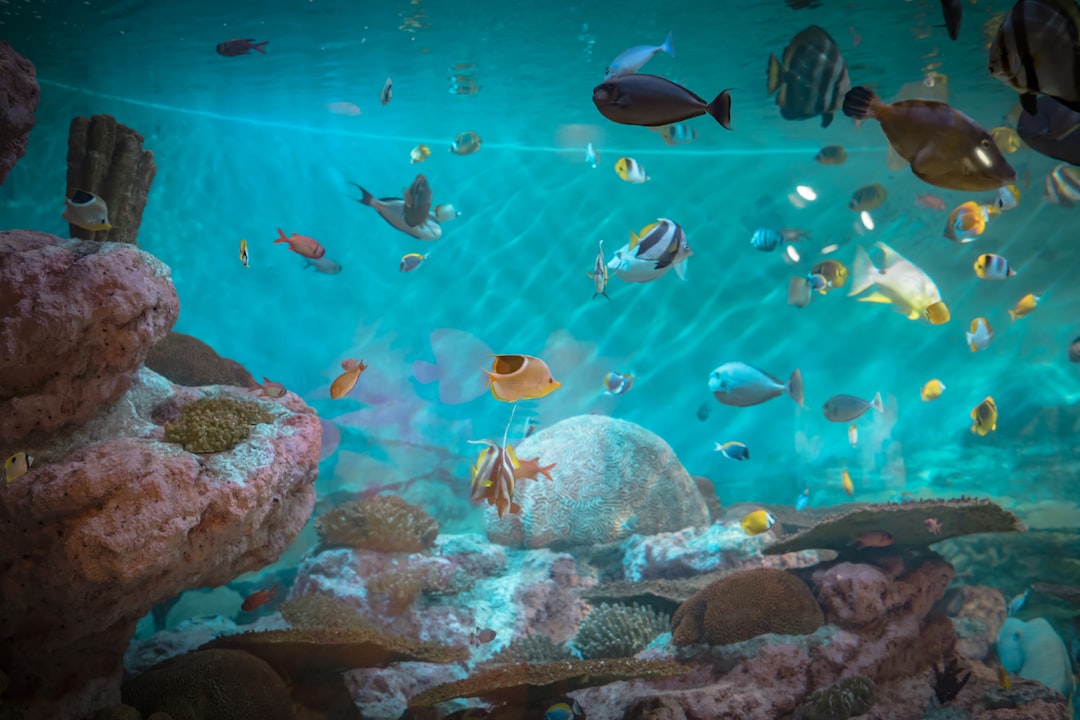
Chalice corals command some of the highest prices in the reef hobby, with rare Mycedium morphs trading for upwards of $300 per polyp in Singapore. This chalice coral care guide reef hobbyists can actually follow draws on two decades of LPS husbandry at Gensou Aquascaping in Everton Park. Whether you keep an entry-level Echinophyllia or a designer Mycedium, the variables that decide growth and colour are surprisingly consistent. Get them right and these corals reward you with eye-catching fluorescence and encrusting plates that spill across the rockwork. This guide sits inside our broader Saltwater Reef Tank Master Guide reference.
Quick Facts
- Scientific genera: Echinophyllia, Mycedium, Oxypora, Physophyllia
- Care level: intermediate LPS, forgiving once settled
- PAR range: 80-150, ideally 100-130 on sand or lower rockwork
- Flow: low to moderate, indirect and variable
- Alkalinity: 8-9 dKH stable, Ca 420-440, Mg 1300-1400
- Feeding: Reef Roids or finely minced mysis 2-3x weekly
- Typical Singapore price: $40-80 for common morphs, $150+ for named strains
Identifying Echinophyllia and Mycedium
Both genera encrust over time, but their growth patterns differ. Echinophyllia tends to form flat, scale-like plates with raised corallites scattered across the surface. Mycedium pushes outward in wavy, shingled lobes, producing the “eye” morphology that collectors chase. In Singapore shops, “chalice” is used loosely for anything in the Pectiniidae family including the occasional Oxypora frag, so ask the vendor for the genus if you are buying a pricey piece.
Colouration is where chalices earn their reputation. Fluorescent pigments absorb blue and re-emit in orange, red, pink, and green, which is why they pop under actinic-heavy spectra.
Lighting and PAR
Aim for 80-150 PAR measured at the frag plug with a Seneye or Apogee MQ-510. Chalices hate sudden lighting changes. If you are moving a frag up from a shaded QT bucket, ramp light over two weeks rather than dropping it straight onto the reef floor. Blue-heavy spectra (450nm and violet 410nm channels) pull out the fluorescent pigments. On AI Hydra or Radion fixtures, a reef spectrum preset at 40-60% intensity usually lands in range for a standard 60cm mixed reef.
Flow and Placement
Place chalices flat on the sand bed or on lower rockwork where flow is indirect. Direct laminar flow from a powerhead will strip mucus and invite tissue recession. Gyre pumps on a reef-crest mode give the turbulent, shifting flow they prefer. Leave at least 5cm between a chalice and any neighbour — they deploy long sweeper tentacles at night and will burn soft corals, zoanthids, and even acans.
Water Chemistry
Chalices are less demanding than SPS but still want stable parameters. Alkalinity between 8 and 9 dKH is ideal, and the word that matters is “stable” — swings of more than 0.5 dKH in 24 hours will cause tissue paling. Calcium at 420-440 ppm and magnesium at 1300-1400 ppm round out the big three. Nitrate between 2-10 ppm and phosphate 0.03-0.08 ppm support both growth and colour; ultra-low nutrients bleach chalices faster than most corals.
Feeding Protocol
Feeding is where chalices separate themselves from SPS. Two or three times a week, turn off return and wavemakers for 10 minutes and broadcast Reef Roids, Coral Frenzy, or finely minced mysis over the colony. Chalices extend feeding tentacles mostly at night, so dusk feeding yields better response. Avoid pellet-sized foods — the mouths are small and undigested food rotting in the calyx causes bacterial infections.
Common Problems
Jelly infection is the chalice-keeper’s nightmare. A gelatinous film appears overnight and strips tissue within hours. If caught early, frag the healthy half, dip in Bayer for 15 minutes, and remount on fresh plug. Recession from the edge inward usually signals alkalinity swing, nutrient crash, or direct flow. Bleaching from the centre outward is typically light shock.
Singapore Sourcing
Serangoon North Avenue 1 and the Pasir Ris reef shops carry Aussie and Indo chalice imports weekly. Designer Mycedium frags from US breeders surface on Carousell and dedicated reef Telegram groups. Always dip before adding to the display and observe in a frag system for at least two weeks — chalices hide acropora-eating flatworms and nudibranchs surprisingly well.
Related Reading
Brain Coral Lobophyllia Care Guide
Best LPS Corals for Beginners Ranked
How to Feed Corals Target Feeding Reef
Coral Dipping Protocol Bayer and CoralRx Methods
Calcium Alkalinity Stability Reef



