
Acan Coral Micromussa Lordhowensis Care: Feeding and Lighting
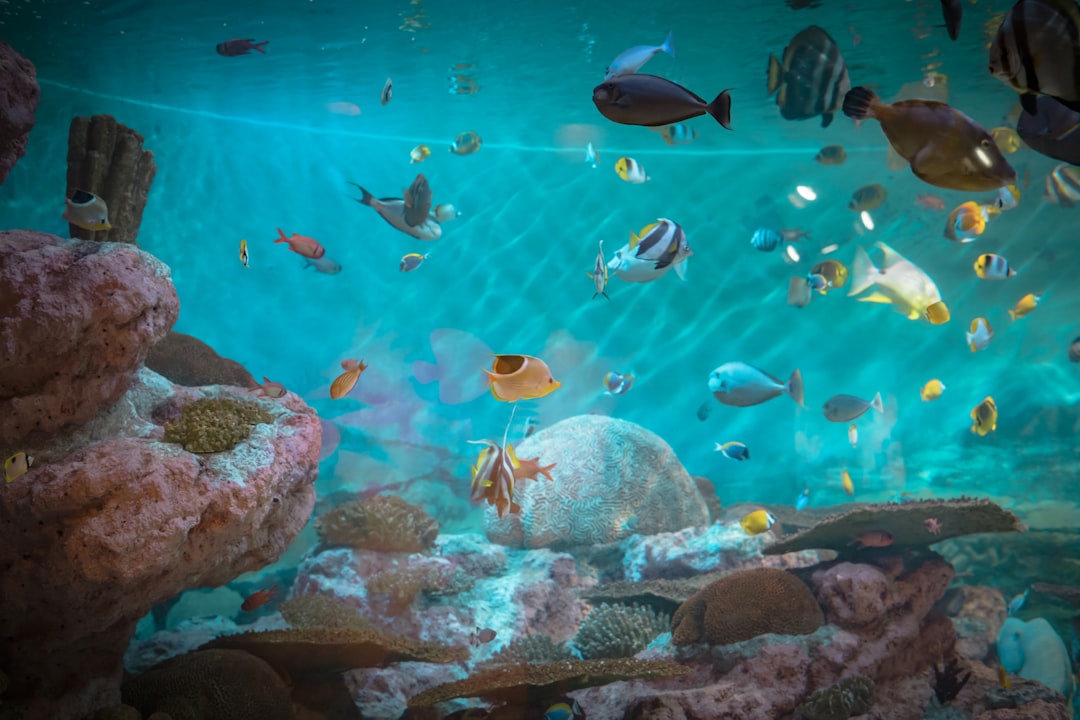
Acan coral keepers chase the colour rather than the care sheet — rainbow, master scolly, and bounce acans from Australian waters routinely sell for $80-400 per head in Singapore reef circles. Solid acan coral micromussa lordhowensis care is straightforward once you understand that this is a feeding-responsive LPS that rewards hand-on husbandry. Gensou Aquascaping at Everton Park has kept Aussie acans through three chiller generations, and the formula has not changed: moderate light, gentle flow, weekly feedings, and stable chemistry. This guide sits inside our broader Saltwater Reef Tank Master Guide reference.
Quick Facts
- Scientific name: Micromussa lordhowensis (formerly Acanthastrea)
- Care level: beginner to intermediate LPS
- PAR range: 50-150, moderate
- Flow: low to moderate, indirect
- Alkalinity: 8-9 dKH, Ca 420-440, Mg 1300-1400
- Feeding: mysis or Reef Roids 1-2x weekly
- Growth: 1-2 new heads per month with feeding
Understanding the Name Change
Acan enthusiasts still call these corals “Acanthastrea lordhowensis” but taxonomy shifted them to Micromussa around 2016. The coral you know by the common name “acan” is Micromussa lordhowensis. True Acanthastrea (like A. echinata) still exists but is a different, less colourful genus. Most Aussie and Indo imports sold as “acans” in Singapore are Micromussa.
Lighting Tolerance
Acans accept 50-150 PAR comfortably, which makes them suitable for almost any spot in a mixed reef. Bright light intensifies red and green pigments but stresses recently-imported frags. Start low — 50-80 PAR — and move up after 3-4 weeks if the coral shows healthy tissue expansion and colour stability. Blue-heavy reef spectra (Kelvin 18000-22000K visually) bring out the fluorescent eyes and chevrons most morphs are bred for.
Flow and Placement
Place acans on sand or low rockwork where flow is gentle and shifting. Direct powerhead flow tears the fleshy tissue away from the skeleton within weeks. Allow 3-5cm around each colony — acans deploy modest sweeper tentacles and will sting neighbours, though they are themselves easily burned by Euphyllia and chalice.
Feeding Protocol
This is where acans shine. Once or twice a week, turn off the return pump, let the tank settle for two minutes, then target-feed each head with a pipette or coral feeder. Mysis, Reef Roids, LRS Reef Frenzy, or finely chopped prawn all work. Each polyp inflates a translucent feeding sac over the food and closes within a minute. Growth accelerates noticeably — well-fed colonies produce 1-2 new heads per month compared to near-zero for unfed pieces.
Water Chemistry
Alkalinity 8-9 dKH stable, calcium 420-440, magnesium 1300-1400. Acans tolerate nitrate 2-15 ppm and phosphate 0.03-0.1 ppm. Ultra-low-nutrient systems bleach acans — if colours pale and polyps shrink despite feeding, test for nitrate below 1 ppm and phosphate below 0.02 ppm. A pinch of coral food daily or amino acid dosing fixes this quickly.
Pests and Problems
Acan-eating flatworms are the main threat. They are small, oval, and blend perfectly with acan tissue. Dip every new acan in Bayer or CoralRx for 15 minutes and rinse in clean saltwater. Brown jelly infection strikes stressed frags — remove affected heads immediately with a bone cutter, dip the remainder, and remount on fresh plug.
Fragging Acans
Acans frag cleanly with a bandsaw or Dremel diamond disc. Cut between heads leaving 5mm of skeleton on each side. Rinse, dip, then glue to a plug with cyanoacrylate gel. Keep frags in low flow and dim light for 48 hours. Most frag shops in Singapore cut acans on request for $5-10 per head, which is often safer than home fragging for pricey pieces.
Singapore Sourcing and Pricing
Australian imports land at Pasir Ris and Serangoon specialty reef shops roughly monthly. Expect $30-60 per head for entry-level morphs, $80-200 for named strains, and $300-500+ for bounce and master scolly pieces. WYSIWYG frags from Carousell and Telegram groups often outprice shop stock for equivalent colour.
Related Reading
Best LPS Corals for Beginners Ranked
How to Feed Corals Target Feeding Reef
Coral Dipping Protocol Bayer and CoralRx
Brain Coral Lobophyllia Care Guide
Calcium Alkalinity Stability Reef



