
Reef Safe Fish List 2026: Compatible Species Reference
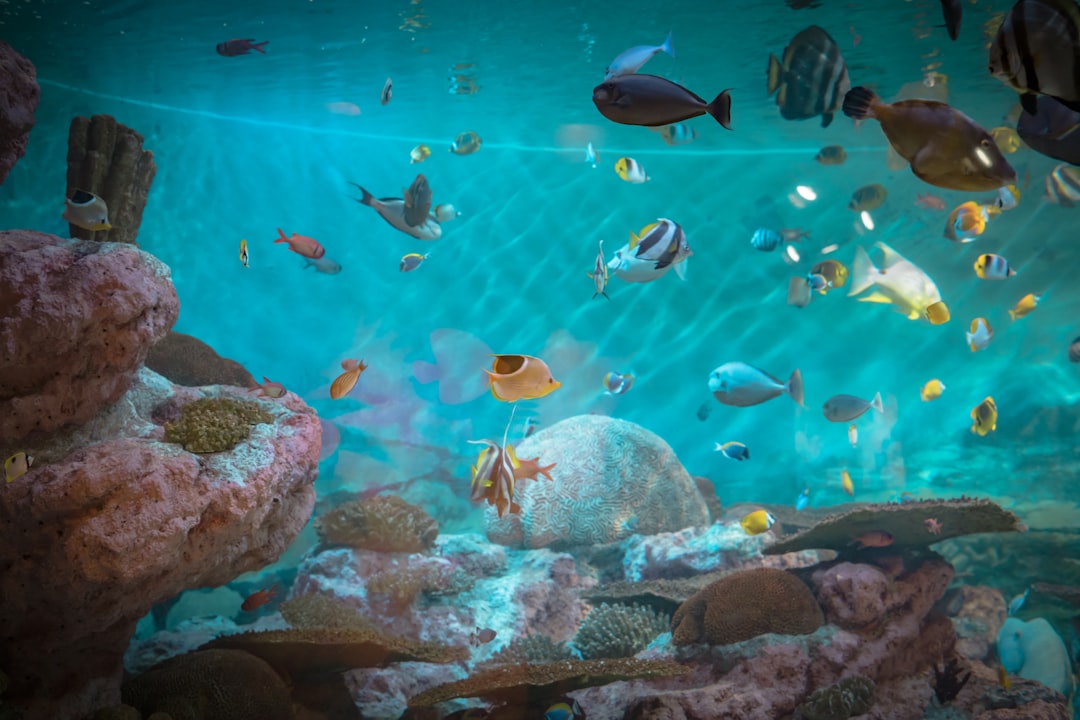
Reef-safe is a spectrum, not a binary — even species widely considered safe have individual outliers that nip coral or harass inverts. This reef safe fish list 2026 groups commonly available species into reliable, conditionally safe, and risky categories so you can stock with confidence. Compiled by Gensou Aquascaping at 5 Everton Park, Singapore, the list reflects what we observe in our own reef displays and client systems. Prices cited are current Singapore shop ranges as of early 2026.
Quick Facts
- “Reef safe” means low risk of eating coral or invertebrates
- “Reef safe with caution” means individual variation — watch closely
- Hunger is the biggest driver of reef-safe fish nipping coral
- Always quarantine every fish for 4-6 weeks before display
- Tank size dictates many compatibility outcomes
- Adding order matters: peaceful first, territorial last
- Captive-bred fish consistently show less reef damage than wild-caught
Reliably Reef Safe
These species almost never touch corals or shrimp. Clownfish (Amphiprion ocellaris, percula, clarkii) pair with anemones or live independently. Green chromis (Chromis viridis) schools peacefully. Firefish (Nemateleotris magnifica, decora) hover in mid-water. Banggai cardinalfish (Pterapogon kauderni) are slow and gentle. Royal gramma (Gramma loreto) hides in caves. Yellow watchman (Cryptocentrus cinctus) and tiger watchman gobies pair with pistol shrimp and never touch coral.
Tangs and Surgeonfish
Tangs are almost universally reef-safe. Yellow tang (Zebrasoma flavescens), purple tang (Zebrasoma xanthurum), hippo tang (Paracanthurus hepatus), Kole tang (Ctenochaetus strigosus), and Tomini tang (Ctenochaetus tominiensis) all graze algae without touching coral. Caveats: tangs need tank length — hippo and purple require at least 450 litres and 150 cm of swimming room. Most tangs are ich-prone and benefit especially from tank-transfer quarantine.
Wrasses
Most fairy wrasses (Cirrhilabrus spp.) and flasher wrasses (Paracheilinus spp.) are bulletproof reef-safe. Six line wrasse (Pseudocheilinus hexataenia) eats pests but grows aggressive with age. Melanurus wrasse (Halichoeres melanurus) and yellow coris (Halichoeres chrysus) eat flatworms and pyramidellid snails but may bury in the sand, requiring a sand bed of 5 cm or more. Avoid larger Coris and Bodianus wrasses — they eat shrimp and snails.
Gobies and Blennies
Clown goby (Gobiodon spp.), neon goby (Elacatinus oceanops), and watchman gobies are fully reef-safe. Among blennies, bicolor (Ecsenius bicolor), tailspot (E. stigmatura), and midas blennies (E. midas) are safe. Lawnmower blenny (Salarias fasciatus) grazes algae only. The exception is the long-nose hawkfish and similar predators — they are labelled “reef safe” but eat shrimp and small fish eagerly.
Reef Safe With Caution
Dwarf angels of the Centropyge genus fall here. Coral beauty (C. bispinosa), flame angel (C. loricula), and lemonpeel (C. flavissimus) show roughly 70-85 percent compatibility. Individual fish either ignore coral entirely or develop a taste for LPS polyps. Feed heavily and add them last. Anthias (Pseudanthias spp.) are reef-safe but require 3-5 feedings per day; underfed anthias pick at zoanthids.
Butterflyfish Exceptions
Most butterflyfish are coral predators and not reef-safe — but a handful are: Copperband butterfly (Chelmon rostratus) eats aiptasia and ignores coral when well-fed, longnose butterfly (Forcipiger flavissimus) is mostly safe, and pyramid butterfly (Hemitaurichthys polylepis) is a pure plankton feeder. All three are finicky eaters and struggle in tanks under 400 litres.
Not Reef Safe
Large angelfish (emperor, queen, regal), triggerfish, most puffers, most wrasses over 20 cm, grouper, lionfish, and dottybacks eat shrimp, snails, or coral. These belong in FOWLR systems, not reef displays. Damselfish other than chromis bring aggression that destroys community dynamics. Stick to the categories above and your reef experience stays peaceful.
Singapore-Specific Notes
Captive-bred stock — especially clownfish, Banggai cardinals, and increasingly dotterel firefish — is widely available at Singapore shops and always preferred for disease resistance. Wild-caught tangs from the Philippines dominate local supply and carry higher ich risk, making quarantine essential. A solid reef stocking list for a 400 litre tank might read: two ocellaris clowns, five green chromis, one royal gramma, one yellow watchman, one firefish, one Kole tang, one six line wrasse — total cost around $300-400 in Singapore.
Related Reading



