
Stendker Discus Care Guide: German Bred Hardy Strain
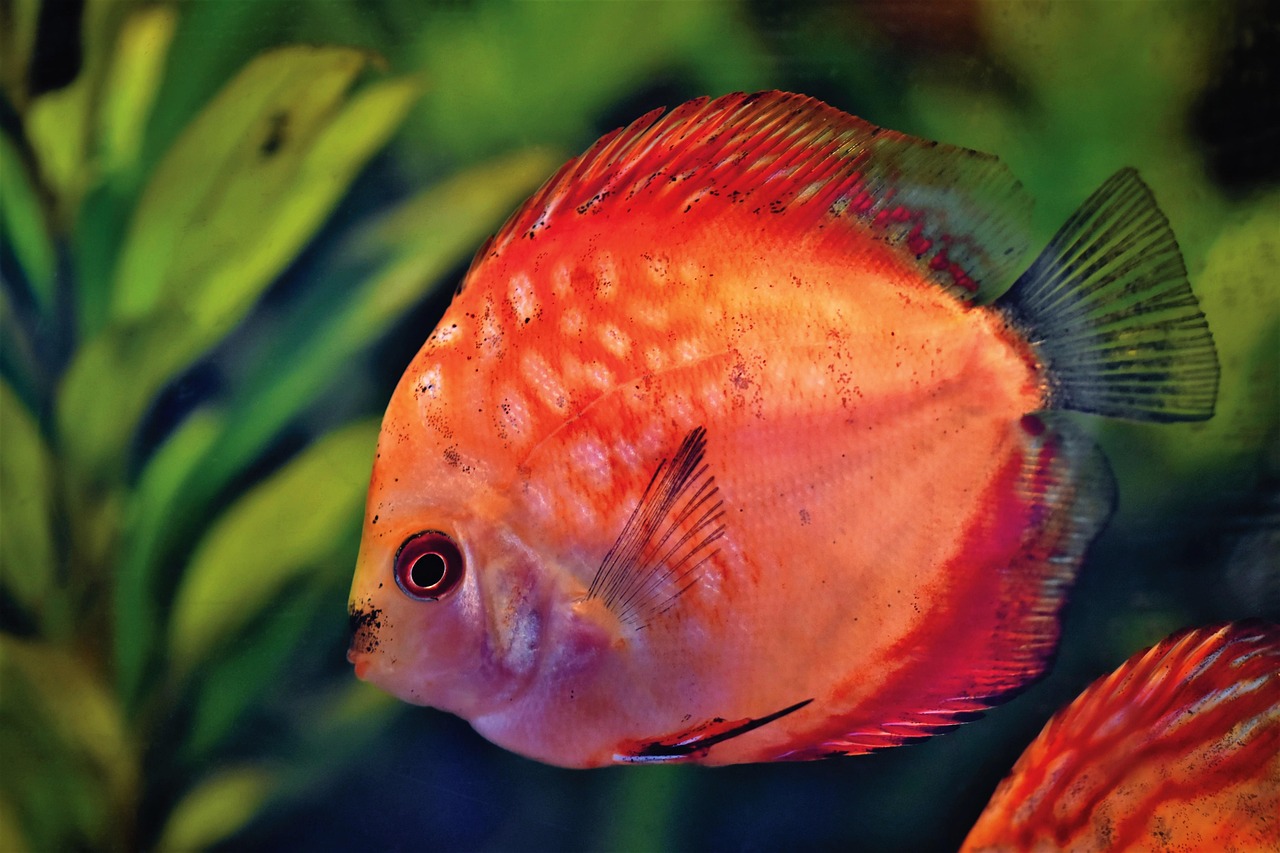
Few fish carry the kind of reputation that Stendker discus do. This Stendker discus care guide from Gensou Aquascaping at 5 Everton Park in Singapore walks through exactly why this German-bred line has become the entry point for so many local hobbyists into the world of king-of-the-aquarium cichlids. Bred in Erkrath since 1967 on relatively hard, neutral water, these Symphysodon aequifasciatus selections forgive the kind of tap-based setups that would stress a wild-caught fish. They are not indestructible, but they are honest.
Quick Facts
- Species: Symphysodon aequifasciatus, Stendker selective line
- Adult size: 15-18 cm, disc-shaped
- Temperature: 28-30°C, higher for grow-out
- pH: 6.5-7.5, bred on tap-hardness water
- Minimum group: 6 juveniles in 300 litres
- Lifespan: 10-12 years with clean husbandry
- Origin: Diskuszucht Stendker, Erkrath, Germany (est. 1967)
The Stendker Breeding Philosophy
Diskuszucht Stendker has spent over five decades selecting for health, body shape and colour stability rather than extreme rarity. Stock is raised at around 30°C on water sitting close to pH 7, which is deliberately unlike the soft blackwater many wild discus demand. That choice is the reason a Stendker turquoise, red Marlboro or pigeon blood settles into a Singapore tank without the drama associated with imported wild fish.
Each strain ships with health certification and traceable batch numbers. Ask your Singapore importer which farm batch a fish belongs to; reputable shops on Clementi Avenue 3 or around Thomson road can usually produce the paperwork.
Choosing Healthy Juveniles
Buy at 6-8 cm rather than grown-out adults. At this size they ship better, pair-bond later within the group, and let you shape their growth. Look for round bodies without pinched foreheads, clear eyes that are proportionate (not bulging), upright fins and active feeding response. Avoid fish that hang vertically, darken intermittently, or pass white stringy faeces.
Tank and Water Parameters
A grow-out tank of 250-300 litres suits six juveniles through their first year. Height matters; aim for at least 50 cm front-to-back and 55 cm high so the disc body has room to turn. Keep temperature at 29-30°C during the growth phase and 28°C for settled adults. PUB tap water in Singapore runs soft at GH 2-4, slightly acidic, with chloramine. Dechlorinate thoroughly, and you are within Stendker tolerances without needing RO.
Stendker themselves recommend tap-like conditions: pH 6.5-7.5, conductivity 200-600 µS. Match that and you skip the most expensive part of discus keeping.
Filtration and Flow
Canister filtration rated 5-8 times tank volume per hour works well, paired with a mature sponge filter for redundancy. Discus dislike violent current, so use a spray bar along the rear glass to diffuse flow. Carbon is optional; what matters is biological capacity to handle the heavy protein waste that accompanies discus feeding.
Feeding Without the Beefheart Mess
The beefheart tradition has real drawbacks in a Singapore climate: it fouls water fast and drives fat deposition in adult discus. Modern Stendker keepers lean on their own granulate feed, frozen bloodworm, brine shrimp, and mysis. If you prepare beefheart mix, keep portions small, rinse excess fat, and dose no more than once daily. Feed juveniles four to five small meals a day; adults settle on two. Target a 30 to 45 minute gap between feeding and a siphon of uneaten material.
Tank Mates and Behaviour
Stendker discus are gentle for cichlids but establish loose hierarchies. Compatible tank mates include cardinal tetra shoals, rummy-nose tetra, sterbai corydoras (which tolerate 29°C better than most Corydoras), and a handful of Amano shrimp for clean-up. Avoid aggressive barbs and nippy tetras; skip angelfish, which share pathogens.
Common Problems in Singapore Tanks
High ambient temperatures mean you almost never need a heater, which is an advantage, but it also means a power cut in a closed HDB flat can swing tank temperature up fast. Watch for hexamita flares in stressed fish, showing as white stringy faeces and loss of appetite; metronidazole dosed at 400 mg per 40 litres, repeated every 48 hours for three doses, is the standard response. Quarantine every new addition for four weeks in a bare tank.
Water Change Routine
A consistent water change routine does more for Stendker discus than any additive. Aim for 50 per cent weekly for adults and 30 per cent daily for growing juveniles. Match temperature and dechlorinate with a product that neutralises chloramine, not just chlorine. Keep fresh water within 1°C of tank temperature to avoid the shimmy stress response.
Long-Term Colour Development
Stendker colours intensify through the second year as carotenoids from frozen shrimp and good pellet foods settle into the skin. Bright lighting washes out reds; a dimmer 6500K LED with a dark background brings the pigment forward. Resist the temptation to hormone-feed juveniles for faster colour; the damage shows up as stunted, infertile adults.
Related Reading



