
Betta Mahachai Care Guide: Wild Bangkok Endemic
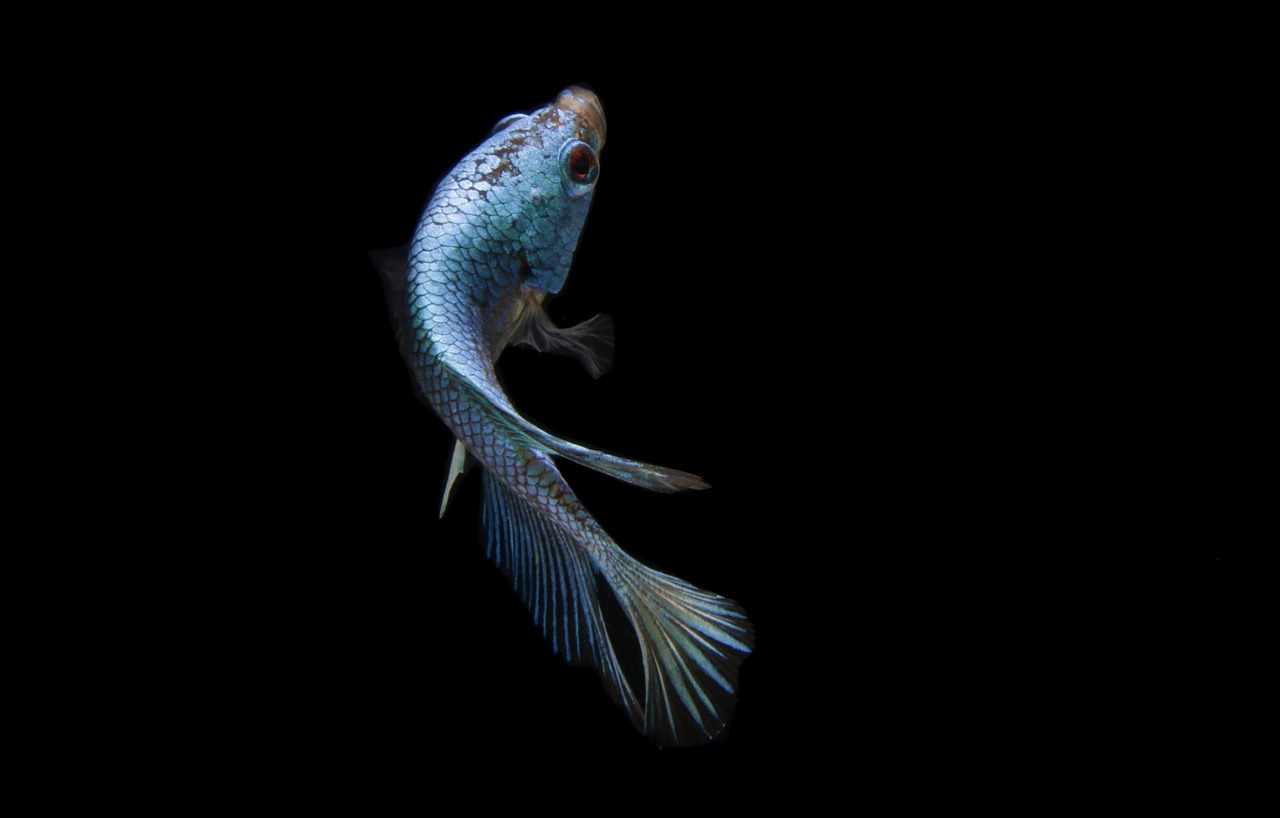
Few wild bettas tell a stranger ecological story than Betta sp. Mahachai, a palm-grove endemic clinging to fragmented habitats on the fringes of Bangkok. This betta mahachai care guide from Gensou Aquascaping in Singapore distils two decades of keeping anabantoids into a practical setup you can run in a small HDB corner. The fish is a bubble-nester, tolerates low salinity, and rewards patient keepers with iridescent green scaling that shifts under household lighting. Treat it as a specialist rather than a showpiece and it will breed freely in captivity.
Quick Facts
- Scientific name: Betta sp. Mahachai (undescribed, part of the splendens complex)
- Origin: Samut Sakhon and Samut Prakan provinces, Thailand; nipa palm swamps
- Adult size: 5-6 cm, males slightly larger than females
- Water: pH 6.5-7.5, KH 2-6, brackish-tolerant up to 3 ppt
- Temperature: 24-28°C, room temperature in Singapore is ideal
- Temperament: territorial males, peaceful with non-gaudy tankmates
- Lifespan: 3-4 years in well-kept aquaria
Natural Habitat and Why It Matters
Mahachai fish live among the root mats of nipa palms in coastal peat swamps, water that is tannin-stained yet periodically flushed by tidal brackish intrusions. This produces a species that drinks in aged blackwater one week and mildly saline water the next. Replicating this variability is not strictly necessary, but a pinch of marine salt (1-2 ppt) during quarantine often resolves stubborn skin issues that freshwater-only bettas cannot shake.
Habitat loss is severe. Most stock in Singapore arrives as F2 or later captive-bred fish from Thai breeders, occasionally listed on Carousell for $25-40 a pair.
Tank Size and Setup
A single pair thrives in 30 litres, though a 45 by 30 cm footprint gives males the territory they need to build a stable bubble nest. Use a low-flow sponge filter rated for double the tank volume, since wild bettas dislike current. Dim lighting, a tight lid (they jump), and emergent cover from Pogostemon helferi or floating Salvinia replicate the palm-root canopy.
Water Chemistry
Singapore PUB tap water sits at GH 2-4 and pH around 7.2 after dechlorination, which is acceptable straight from the tap once Prime or equivalent is added. Push pH to 6.8 with Indian almond leaves and a handful of beech or oak catappa cones. If you wish to mimic the brackish phase, dose marine salt weekly to 1-2 ppt during the dry season (February-April in Thailand), then return to plain freshwater.
Diet and Feeding
Wild-caught Mahachai often refuse pellets for weeks. Start with live blackworms, frozen bloodworm cubes, and daphnia, then wean onto a quality micro-pellet such as Hikari Vibra Bites broken in half. Feed twice daily in small portions; obesity is the most common ailment in well-meaning keepers. A weekly vinegar-eel or microworm culture is cheap insurance for fry-quality conditioning.
Behaviour and Tankmates
Males flare and chase but rarely inflict the shredded fins you see on domestic splendens. A bonded pair can be housed together permanently once the female proves she can dodge the male. Suitable dithers include pygmy rasboras and Boraras brigittae; avoid shrimp if you want fry to survive. Never combine two males in anything under 90 litres with sight breaks.
Breeding the Mahachai
Condition the pair for two weeks on live food, then lower the water to 10 cm and float a styrofoam cup half. The male builds his bubble nest underneath. Spawning is the classic anabantoid embrace, with 100-200 eggs collected by the male. Remove the female after spawning. Fry hatch in 36 hours and need infusoria for the first four days, then baby brine shrimp. Raise them in the same soft, tannin-rich water they were bred in.
Common Problems
Velvet is the main concern for newly imported stock; a three-day salt dip at 3 ppt plus gentle heat to 29°C clears most cases. Fin rot signals poor water quality rather than aggression. Jumping accidents account for more losses than disease, so lid security is not optional.
Buying in Singapore
Serangoon North Avenue 1 shops occasionally stock Mahachai alongside other wild bettas, typically priced at $30-50 per pair depending on generation. Ask whether the fish are F1 wild or later-generation captive-bred; F2 and beyond adapt faster to Singapore tap water. Always quarantine for 14 days before introducing to a display tank.
Related Reading
Wild Betta Species Care Guide
Betta Imbellis Care Guide
Blackwater Aquarium Setup Guide
Indian Almond Leaves Aquarium
Wild Betta Breeding Guide



