
Fire Belly Newt Care Guide: Cynops Orientalis Husbandry
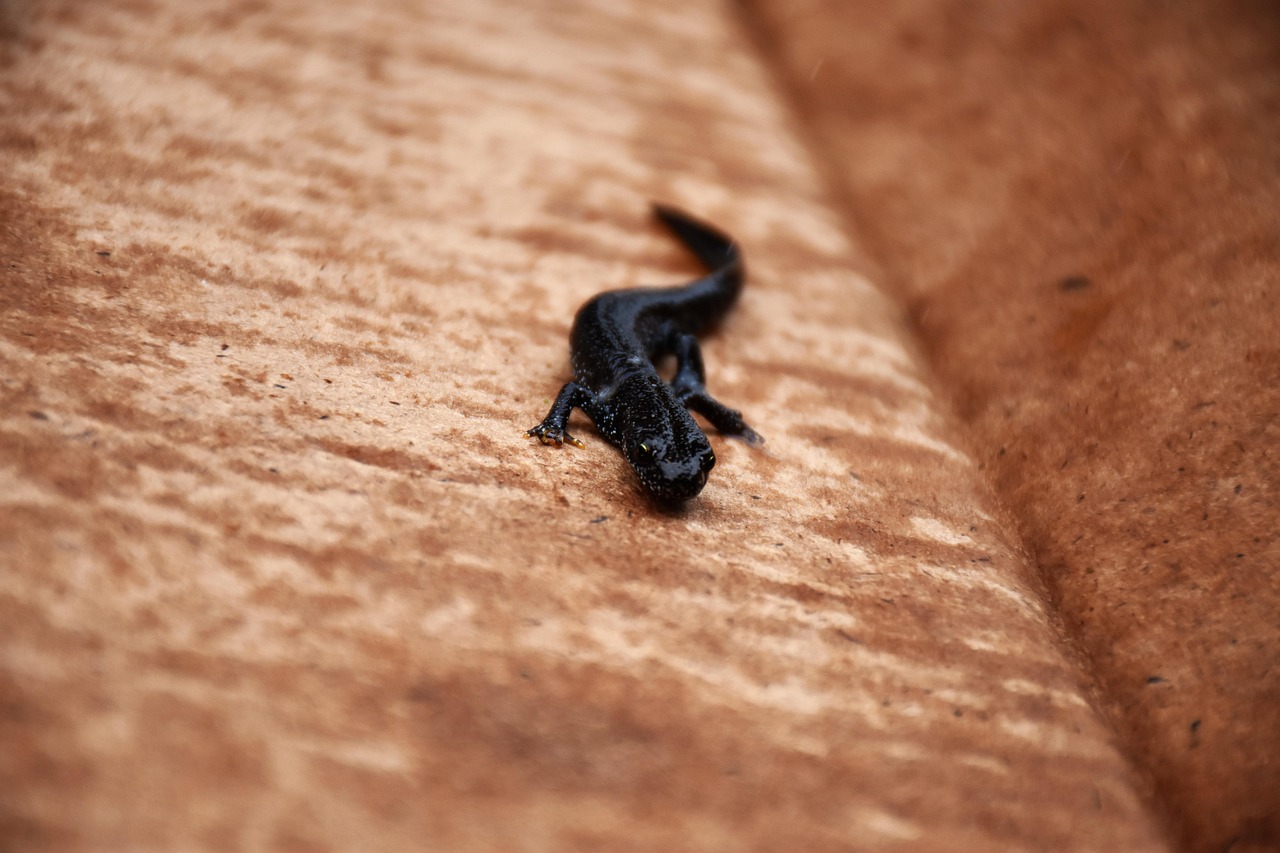
The Chinese fire belly newt is often sold as a beginner amphibian, but in Singapore’s climate it is anything but entry-level. This fire belly newt care guide is honest about the obstacles — chiefly that Cynops orientalis needs water at 18-22 °C, well below ambient room temperature here. Written from twenty years of practical husbandry at Gensou Aquascaping in 5 Everton Park, the guide covers realistic setups, feeding, and the cooling equipment you will need if you take this species on.
Quick Facts
- Scientific name: Cynops orientalis
- Adult size: 8-10 cm total length
- Aquatic-leaning: spends 80 % of life in water as an adult
- Temperature: 15-22 °C, never above 24 °C sustained
- Tank: 45 litres for a pair, with land area covering 20-30 % of footprint
- Diet: live bloodworms, whiteworms, blackworms, small earthworms
- Lifespan: 10-15 years with proper cooling
The Singapore Temperature Problem
Honest first: room temperatures of 28-32 °C are lethal to Cynops orientalis over weeks, not months. You have three viable paths — a dedicated aquarium chiller, continuous air-conditioning in a small room, or a wine-cooler conversion. A 1/10 HP chiller (Hailea HS-28A or equivalent) running on a 45-75 litre tank costs $380-550 and draws modest power. Without active cooling, this species is not viable here. Anyone selling them without explaining this is doing newcomers a disservice.
Vivarium or Aquarium Setup
Adults are strongly aquatic, so an aquarium-style tank with a gentle ramp to a cork-bark land platform works better than a traditional paludarium. Water depth of 20-25 cm suits them; they surface regularly to breathe. Use a sponge filter or low-flow internal — strong currents exhaust newts. Cover the tank fully; fire bellies are determined escape artists and will exploit any gap larger than 1 cm.
Water Parameters
Dechlorinated PUB tap works once stabilised. Target pH 6.5-7.5, low nitrate, and absolute zero ammonia. Cycle the tank fully before introducing newts — two to four weeks with an ammonia source. Weekly 30 % water changes keep parameters in range. Singapore tap water‘s softness benefits newts; no remineralisation needed.
Feeding
Live or frozen bloodworms form the diet mainstay, supplemented with chopped earthworms, blackworms, and occasional whiteworms. Most adults eventually accept thawed frozen food from tongs — a skill worth teaching for long-term ease. Avoid mealworms (chitin is hard to digest) and all mammalian meat. Feed adults three times a week; juveniles daily. Remove uneaten food after twenty minutes.
Tankmates and Conspecifics
Fire belly newts live best in same-species groups of two to four. Mixing with fish rarely works — newts outcompete for food then starve, or fish nip at newt tails. Skin secretions from stressed newts are mildly toxic to fish in small volumes. Single-species keeping is the straightforward answer.
Handling and Safety
Skin secretions contain tetrodotoxin analogues — not dangerous through intact skin contact but a hand-washing mandate before and after any contact, and absolutely no touching of eyes, mouth, or open cuts. Minimise handling; catch only for transfers, and use a soft net rather than hands.
Common Health Issues
Heat stress is the number one killer locally and presents as floating, gasping, refusing food. Immediate cooling action and clean water reverse early cases; prolonged exposure causes organ failure. Fungal infections show as cottony patches and respond to methylene blue baths and cooler, cleaner water. Red leg disease (Aeromonas) signals serious husbandry failures and warrants vet intervention.
Sourcing and Legality
Singapore’s AVS rules allow private keeping of common Cynops species but check current regulations before purchase — amphibian keeping rules can tighten. Specialist reptile shops and Carousell sellers list them at $25-45 each. Choose active individuals with full limbs, no tail kinks, and clear eyes. Avoid imported stock showing lethargy or lesions; wild-caught newts often carry ranavirus.
Long-Term Reality
A well-kept fire belly newt will outlast most pet dogs. The commitment in Singapore means running a chiller every day for a decade or more — a running cost of roughly $15-25 per month in electricity alone. If that is not realistic, the white tree frog or fire belly toad are kinder choices for local climate.
Related Reading



