
Pacman Frog Care Guide: Ceratophrys Ornata Setup
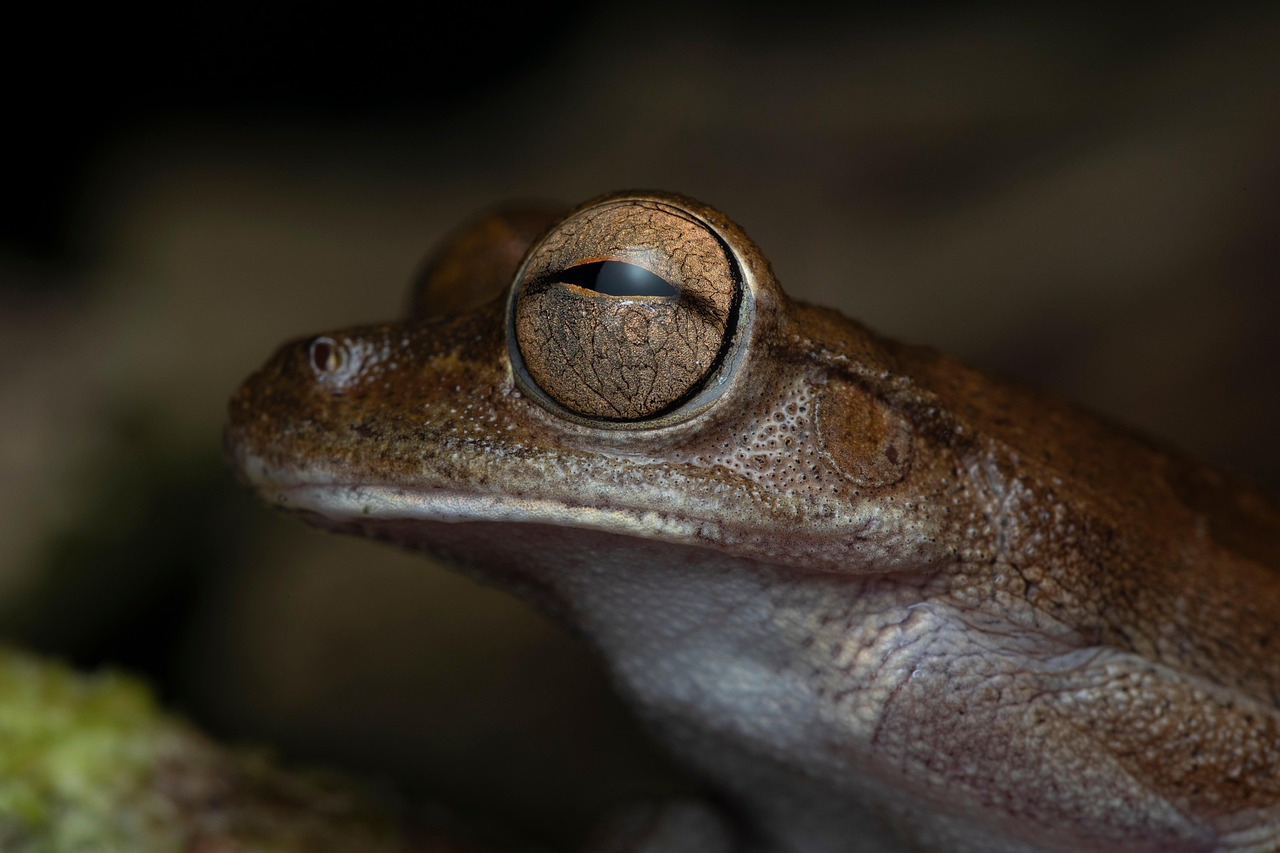
Pacman frogs look like eating mouths with legs attached, and that is essentially their life strategy. This pacman frog care guide from Gensou Aquascaping in 5 Everton Park covers Ceratophrys ornata and the closely related C. cranwelli — sit-and-wait ambush predators from South America that thrive in simple terrestrial enclosures with deep damp substrate. They tolerate Singapore’s warm climate without special cooling, live a decade or more, and suit keepers who want an amphibian that interacts more like an eating engine than a climbing acrobat.
Quick Facts
- Scientific name: Ceratophrys ornata (ornate) and C. cranwelli (Cranwell’s)
- Adult size: females 12-15 cm, males 8-10 cm
- Temperature: 24-28 °C, ambient Singapore works
- Humidity: 60-80 %, substrate always damp
- Tank: 45×45×30 cm for a single adult — bigger is unnecessary
- Diet: gut-loaded large crickets, dubia roaches, earthworms, occasional pinky mouse
- Lifespan: 10-15 years, occasionally longer
Sit-and-Wait Lifestyle
Pacman frogs do not travel. They pick a burrow spot, sink into substrate until only eyes and nostrils show, and wait for something smaller than them to walk past. A huge enclosure is wasted space — most of the tank will never be used. Floor footprint of 45×45 cm gives a single adult everything it needs, including a water dish, a hide, and enough substrate depth to burrow fully. Height beyond 30 cm serves no purpose for a non-climbing species.
Substrate and Moisture
Coco fibre mixed with sphagnum moss, 8-10 cm deep, gives the damp burrowing medium pacman frogs expect. Keep it consistently moist — a squeezed handful should release water without dripping freely. Dry substrate stresses the frog and leads to poor shedding. Overly wet substrate grows bacteria and causes skin problems. Check moisture daily with a finger rather than relying on appearance.
Water Dish
A shallow, wide water dish the frog can soak in without drowning is non-negotiable. Change the water daily; pacman frogs defecate directly into it. Use only dechlorinated water. Many keepers prefer RO or bottled spring water, which is reasonable but not strictly required with properly treated PUB tap.
Temperature in Singapore
Ambient 26-30 °C fits the upper end of the pacman frog’s comfort range. No heater is needed. Avoid placing the enclosure in direct sun or on top of heat-producing equipment. A reading above 30 °C for sustained periods stresses the frog and warrants a small clip fan or relocation. Chillers are overkill for this species.
Feeding Schedule
Gut-loaded large crickets and adult dubia roaches form the core diet. Gut-loading for 24-48 hours before offering improves prey nutrition dramatically. Earthworms are eagerly taken. Pinky mice can be offered to adult females once every four to six weeks — not more often, as rodent-heavy diets cause fatty liver disease and shortened lifespans. Dust insects with calcium twice weekly and multivitamin once weekly. Feed juveniles every other day; feed adults once a week to once every ten days. Obesity is extraordinarily common in this species because keepers overfeed them.
Lighting
No UVB is required for nocturnal sit-and-wait predators that get their vitamin D from dusted prey. A low plant LED on a 12 hour cycle provides day-night rhythm. Bright lighting causes the frog to stay buried almost permanently, reducing both its activity and your enjoyment.
Handling
Pacman frogs do not enjoy handling and will bite — hard enough to draw blood on an adult female. Handle only when necessary, with clean wet hands or a soft container. Wash hands thoroughly before contact to avoid transferring soaps, creams, or sanitiser residue. After contact, wash again before touching anything else.
Common Health Issues
Impaction from swallowing large substrate chunks with prey is the classic pacman frog emergency. Feed from a shallow dish or smooth tile to minimise this. Obesity leads to organ failure over years — if you cannot see a neck behind the head, the frog is overfed. Bacterial infections from dirty water present as red patches and require antibiotic treatment. Metabolic bone disease develops without consistent calcium supplementation.
Sourcing in Singapore
Captive-bred pacman frogs, especially Ceratophrys cranwelli and its designer morphs (albino, samurai blue, strawberry), are widely available on Carousell and at specialist reptile shops for $40-150 depending on morph. Choose plump, alert animals with clean skin and bright eyes. Quarantine new arrivals on paper towel substrate for three to four weeks before moving to a planted bioactive display.
Related Reading



