
Carpenter Flasher Wrasse Care Guide: Paracheilinus Carpenteri
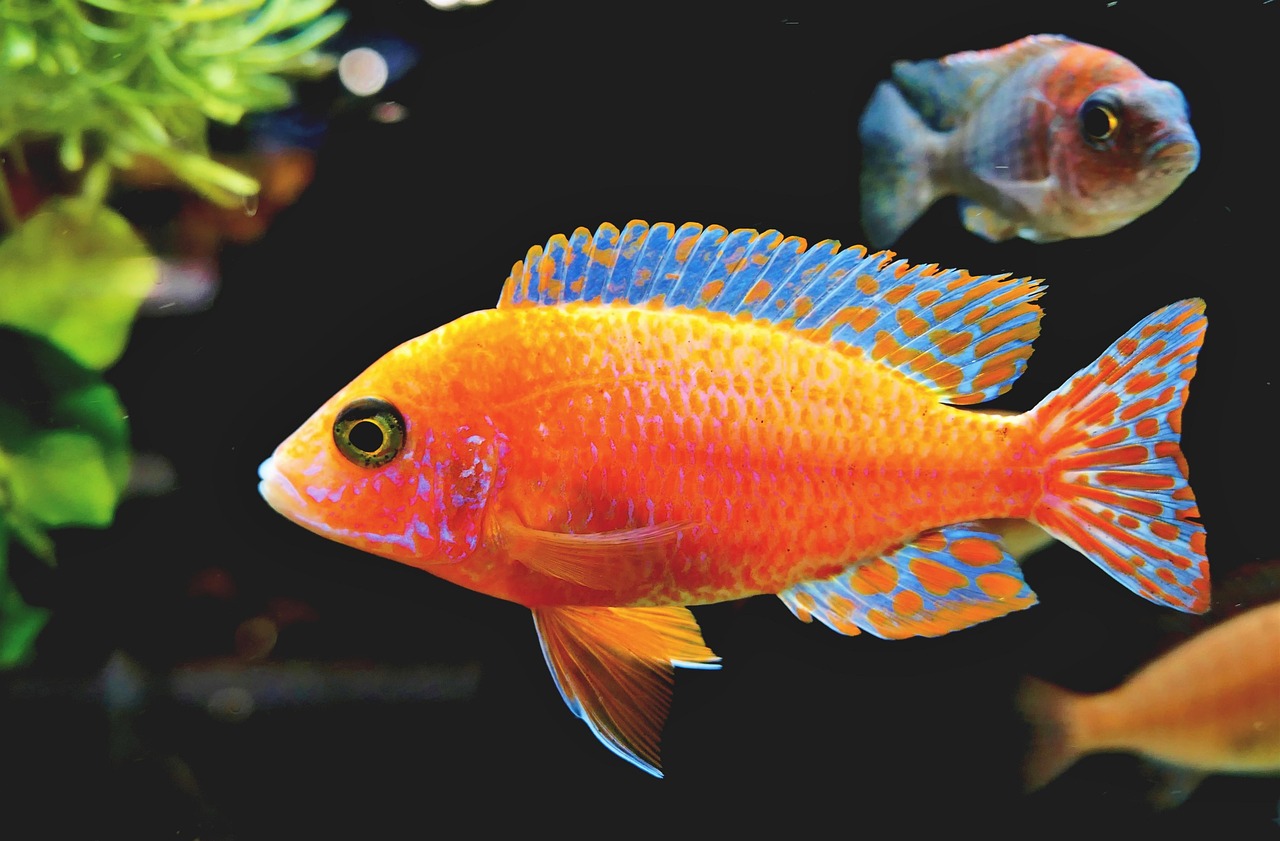
Watch a male Paracheilinus carpenteri flare his fins in front of a female and you understand why this species earns its common name. The display happens in pulses lasting under a second, and a healthy male performs it dozens of times each evening. This carpenter flasher wrasse care guide from Gensou Aquascaping at 5 Everton Park covers the conditions that bring out that behaviour and the husbandry mistakes that suppress it. Singapore reef keepers will find the chiller and feeding notes especially relevant.
Range, Habitat and Choosing Stock
Carpenter flasher wrasses originate in the western Pacific, from the Philippines through Palau and into the Ryukyu chain. They form loose aggregations over rubble at 12-30 metres, picking zooplankton from the water column. Most aquarium specimens arrive from Cebu and Negros, where collection has shifted away from cyanide toward fence-net methods over the past decade.
Adult males show the characteristic extended dorsal rays and red, blue and yellow body bands. Females and juveniles look almost identical to females of other flashers, so verify the species at the shop rather than trusting the tank label. A fish that swims mid-water with eyes tracking movement is healthy; a fish hiding behind the heater is not.
Tank Requirements
Minimum 200 litres for a single male and three females, with a footprint of at least 90 by 45 cm. Open swimming length matters more than depth. Provide rocky overhangs for sleeping at night and a fine sand bed for resting. Stable parameters and steady light cycles trigger more frequent flashing displays than chasing peak nutrient numbers.
Lid Security and Jumping
Flasher wrasses jump even more readily than fairy wrasses, particularly when startled by sump returns or shadows from passing tank mates. Cover every opening with mesh of 4-6 mm aperture. Replacement is cheap; a $90 SGD fish that dries out on the floor is not. Run the lid for the first six weeks even if you eventually open the tank for photography.
Water Chemistry
Salinity 1.025, temperature 24-26°C, alkalinity 8-9 dKH, pH 8.1-8.4 and nitrate 2-10 ppm form the comfortable middle ground. Singapore tank temperatures sit on the warm edge of this range without a chiller, and stress shows up as muted male coloration rather than acute mortality. Pair the system with reliable testing as outlined in our reef tank icp oes test interpretation notes.
Feeding for Display Colour
Frequent small meals beat once-a-day banquets. Three feedings of mysis, frozen calanus, cyclops and high-quality pellets keep the gut full and energy high enough for evening flashing. Vita-Chem and selcon enrichments two or three times weekly maintain the carotenoid pigments that drive the male’s red and orange bands.
Harem Composition
One male to three or four females is the optimal ratio. A lone male without females flashes rarely; multiple males in anything under 600 litres causes constant fighting. Females added in a group of three at the same time settle faster than singletons added over weeks. If your male dies, the dominant female will transition within four to eight weeks.
Compatibility with Other Wrasses
Carpenter flashers coexist with fairy wrasses if introduced together or before. Adding a Cirrhilabrus after an established Paracheilinus harem usually triggers chasing for several weeks. Avoid mixing with possum or pintail wrasses that share the same body shape and feeding niche unless your tank exceeds 500 litres.
Reef Safety
Completely reef-safe with corals and ornamental inverts. They graze copepods and amphipods from the rockwork without damaging tissue. In a mature system with a refugium, supplemental pod cultures help support the wrasse without depleting the natural population. Useful pairing if you also keep mandarin dragonets that need similar prey.
Quarantine Approach
Use tank transfer method or chloroquine phosphate rather than copper, which flashers tolerate poorly. A 14-day observation in a bare-bottom 60-litre tank with PVC tubes works well. Watch for flukes during week two; a single 30-minute formalin dip resolves most cases. Our quarantine copper treatment protocol covers when to deviate from copper for sensitive species.
Lighting and Behaviour
Flashers display most actively under blue-dominant evening light, which mirrors their natural dusk display window. Programme your reef LED to dim to 30% blue for the final hour of the photoperiod and you will see noticeably more flashing. The setting also benefits coral coloration as discussed in our best reef led light coral growth piece.
Sourcing, Pricing and Lifespan
Expect $80-150 SGD for a male and $40-70 for females in Singapore. Specialist marine stockists rotate Paracheilinus deliveries every two to three weeks. Carousell occasionally lists captive-bred or tank-raised specimens, which acclimate without the shipping stress of wild imports. Always ask to see the fish eat before paying.
Five to eight years is typical for a well-kept male, with females often outliving males by a year or two. Loss of flashing intensity in older males is normal and not a sign of illness. Continue varied feeding and stable parameters and the harem will remain a centrepiece of any peaceful reef.
Related Reading



