
Seriatopora Guttatus Coral Care Guide: Cluster Tip Birdsnest
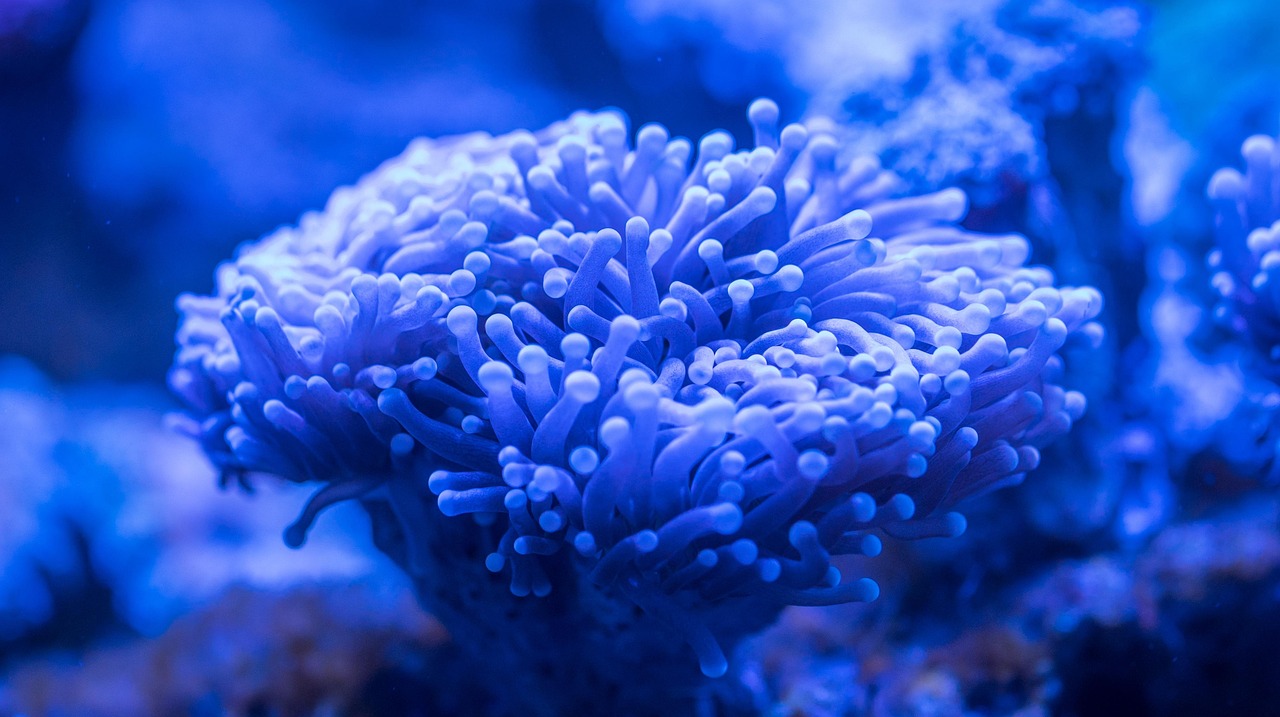
Cluster tip birdsnest sits in an awkward middle space among SPS keepers: more delicate than pink stylo, less colourful than acros, and prone to dramatic STN events when chemistry slips. This seriatopora guttatus coral care guide walks through the conditions that turn a fragile-looking frag into a dense pink-tipped colony with thick branching. Compiled by the Gensou Aquascaping team at 5 Everton Park after years of growing the species in Singapore conditions, the notes prioritise stability over chasing parameters.
Identification and Tank Suitability
Distinguished from the more common Seriatopora hystrix by thicker branches with rounded clustered tips rather than the needle-fine points of hystrix. The base colour ranges from cream to pale yellow with pink or purple highlights at the tips. A hystrix mistakenly sold as guttatus will have noticeably finer, sharper branch ends.
The species suits established reef systems aged six months or more. Newly cycled tanks rarely hold the parameter stability that guttatus demands, and frag losses in the first three months of a system are common. Wait until your alkalinity sits within a 0.3 dKH range over a fortnight before adding the species.
Lighting Targets
200-300 PAR with a blue-dominant spectrum suits the species. Higher PAR fades the pink tips toward white; lower PAR drops the colour to plain cream. Acclimate frags from the lower end and move up over three weeks. The species responds slowly to light changes, so wait at least two weeks between adjustments before judging the result.
Flow Requirements
Moderate to strong turbulent flow at 25-40x tank turnover. Stagnant zones cause sediment accumulation between branches, which leads to localised tissue death and STN. Place the colony where flow keeps the branch interior clear. A small wave pump aimed across rather than at the colony works best.
The Stability Question
Alkalinity 7.8-8.5 dKH and absolutely no swings larger than 0.3 dKH per day. Seriatopora guttatus is one of the most sensitive corals to alkalinity instability, and a single overshoot from manual dosing often triggers a colony-wide STN event within 48 hours. Automated dosing or daily small two-part additions are non-negotiable. Reference the two part dosing guide reef tank for setup specifics.
Calcium and Magnesium
Calcium 420-440 ppm and magnesium 1320-1380 ppm form the supporting chemistry. Magnesium below 1280 ppm causes precipitation issues that destabilise alkalinity, which then takes out the guttatus. Test magnesium monthly even on tanks that hold the other parameters steady; it drifts quietly.
Nutrient Profile
Nitrate 2-7 ppm and phosphate 0.04-0.08 ppm produce the best colour. The species browns out at higher nutrients and pales toward white below 0.02 ppm phosphate. Steady moderate nutrients beat lean-and-spiky levels every time for this coral.
Singapore Heat Considerations
24-26°C and never above 27°C. The species is heat-sensitive even by SPS standards. A reliable chiller is essential, and any equipment that runs warm in the cabinet should be vented or relocated. Backup power for the chiller during typical Singapore outages is worth budgeting if you are serious about long-term keeping.
Acclimation and Placement
Dip every new frag for 10-15 minutes in Bayer or CoralRx, rinse and place at the bottom of the tank for the first two weeks. Move up in small steps over a month. Avoid placing within stinging range of euphyllia or other LPS; guttatus loses contact battles. The coral dipping protocol bayer coralrx piece covers technique.
STN Recovery
If white tissue recession appears at the base, fragment the healthy upper portions immediately, dip and re-mount on a fresh plug. Removing healthy branches from a dying colony saves the genetics; trying to save the parent colony often loses everything. Reduce alkalinity by 0.3 dKH and increase flow as a parallel response.
Pest Watch
Less prone to AEFW or red bugs than acros, but still worth a quarantine-and-dip routine. Red flatworms occasionally settle on the coral and obscure light to the tissue beneath; remove manually with a turkey baster. Our reef tank flatworm removal guide covers options.
Sourcing and Long-Term Display Value
Frags retail at $35-90 SGD in Singapore depending on coloration and size. Captive-grown pieces from local frag swappers acclimate noticeably better than wild imports. Ask the seller about their lighting and flow before buying so you can match conditions in your acclimation period.
Once stable, Seriatopora guttatus grows into a dense bushy colony 20-30 cm across within 18 months. The pink-tipped cluster branches contrast beautifully against deeper acro placements, and the species fills space that tabling corals cannot. Worth the husbandry investment in a mature reef.
Related Reading



