Qian Hu Fish Farm Tour Singapore Guide: Visit and Buy
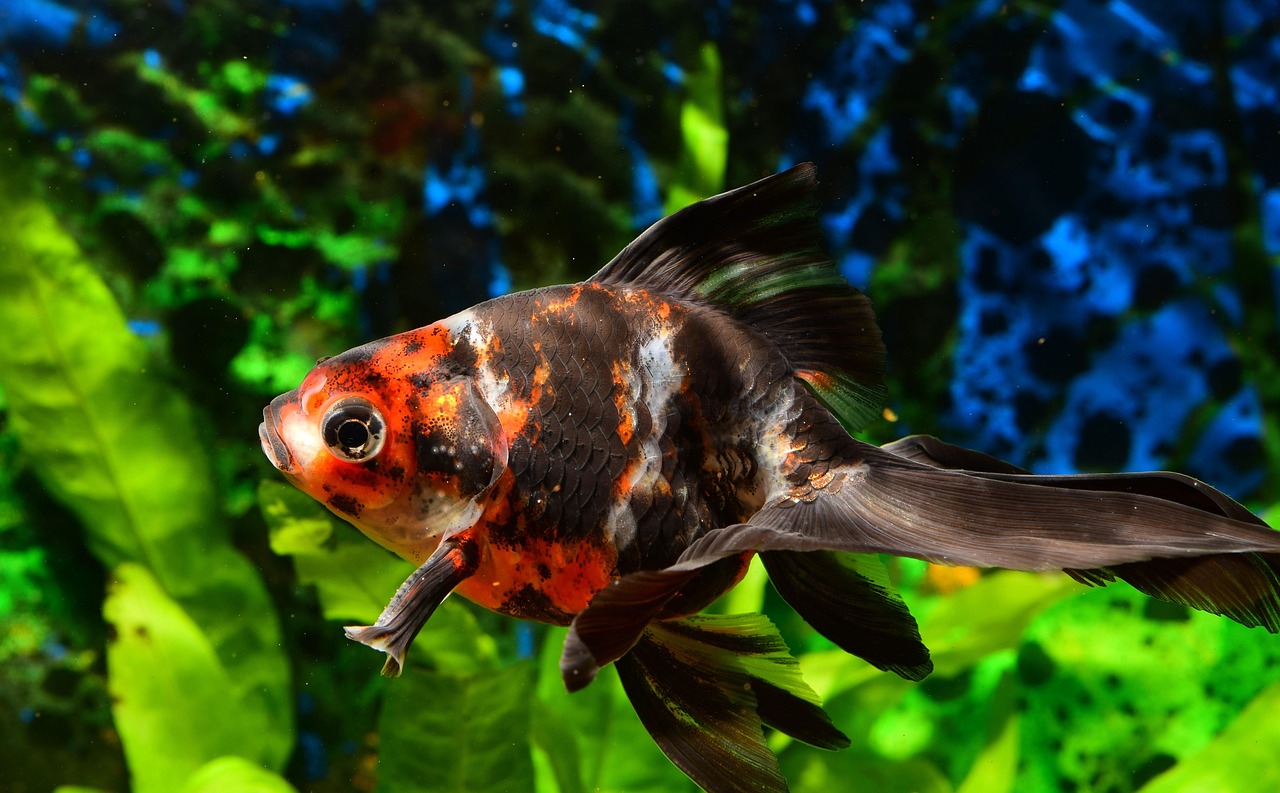
Qian Hu remains the largest publicly accessible ornamental fish farm in Singapore, and a morning spent walking its rows of dragon fish, koi, and tetras is part of the local hobbyist’s coming-of-age. This Qian Hu fish farm tour Singapore guide from Gensou Aquascaping at 5 Everton Park covers what to expect from a visit, the practical logistics of getting there, and where the farm shop stands relative to specialist aquarium retailers. Two decades of bringing clients and visiting hobbyists through the gates informs the notes below. This guide sits inside our broader Singapore Aquarium Hobbyist Guide reference.
Where Qian Hu Sits
The farm sits along Jalan Lekar in the Sungei Tengah agricultural area, in the north-west of the island. It shares the Lim Chu Kang vicinity with several other ornamental fish farms and koi specialists. The area is genuinely rural by Singapore standards — flat agricultural land, low-rise farm buildings, and the Sungei Tengah forest reserve a short drive away. Plan a half-day to combine Qian Hu with one or two other farms in the same belt.
Getting There
Driving is the realistic option. From the city centre, the trip runs 35-50 minutes via the BKE depending on traffic. There is dedicated visitor parking on-site. Public transport involves an MRT to Choa Chu Kang followed by a 925 bus, then a 15-20 minute walk along Jalan Lekar — workable but slow. Grab from the nearest MRT runs $12-18 SGD one-way. Avoid weekday morning peak; the area floods with farm-supply trucks.
Opening Hours and Layout
The retail-facing portion (the visitor and buyer area) typically opens from 9am to 6pm on weekdays and shorter hours on weekends. Confirm before visiting — Singapore farm hours shift seasonally and around public holidays. Expect a mixed environment: open-air covered shelters for outdoor koi vats, indoor aquarium-style stock for tropical freshwater, and dedicated rooms for higher-value species like dragon fish (Asian arowana).
What You Can Actually See
The walk-through covers thousands of holding tanks and vats across multiple species categories. Dragon fish specimens swim in individual or paired tanks with reference cards listing breed, length, and provenance — this is one of the few places in Singapore to see CITES-permitted Asian arowana legally retailed at scale. Koi vats hold growing-out batches sorted by size and pattern. Tropical sections cover tetras, gouramis, livebearers, plecos, and the catfish you actually find in shops — but at farm volumes.
Buying as a Hobbyist
Pricing at farm-direct often runs 15-25 per cent below retail aquarium shops for common species, but the buying experience differs. Staff handle bulk orders fluently — 50 cardinal tetras, 30 ember tetras, 20 amano shrimp — and are less geared to single-fish browsing. Bring containers if buying volume; the standard plastic bags suit transport home but you may want your own breather bags for longer trips. Read our where to buy aquarium fish online Singapore for context on alternative channels.
Dragon Fish and CITES Documents
Asian arowana sales come with a microchip and CITES paperwork that must travel with the fish. Confirm registration is updated to your name before leaving — the farm handles the transfer process but it requires both buyer and seller signatures on-site. Without the paperwork, the fish cannot be legally re-homed or even transported overseas later.
Equipment and Dry Goods
The on-site retail shop carries a useful range of pond filters, aerators, foods, and koi-keeping consumables. Pricing is competitive on bulk koi pellets and on Hailea air pumps. It is less competitive on niche aquascaping gear — for ADA, Tropica plants, or specialist CO2 hardware, head back into the city. See our best pond filter box pressurised for context on what is worth buying farm-side.
Combining With Other Lim Chu Kang Stops
A productive Lim Chu Kang day includes Qian Hu plus one or two specialist farms — Mainland Tropical Fish Farm, Seaview, and various smaller koi-only operators sit within 10 minutes’ drive. Each has different strengths: Qian Hu for breadth and dragon fish, Mainland for plecos and oddballs, Seaview for marines and reef livestock. Read our Singapore aquarium fish farms guide for the broader map.
Bring Cash or PayNow
Most farm-side transactions clear via PayNow QR or cash. Credit card facilities exist but occasionally see queue delays. Bring at least $200 SGD in cash if you anticipate a buying trip of any size — bulk fish purchases run $100-400 SGD comfortably and you do not want to negotiate a complex order while waiting on a card terminal.
Weather, Timing, and Expectations
The site is partially open-air. Visit before noon to avoid the worst of midday heat, and check the weather — heavy monsoon downpours flood the lower drives and slow movement between buildings. If you have flexibility, a Wednesday or Thursday morning offers the calmest experience. Manage expectations on what the visit is: Qian Hu is a working farm with a retail shop attached, not a tourist aquarium. Do not expect themed displays, captioned exhibits, or extensive English-language interpretation on rare species. Staff prioritise commercial buyers and serious hobbyists; casual photo-tourists get less attention. Treat the visit as a buyer’s trip with browsing privileges, not a museum outing.
Beginner Tips for First Visits
Bring a notebook, a list of what you actually want, and a budget cap. The sheer scale of stock seduces first-time visitors into buying species that do not suit their tanks. Confirm species compatibility, water parameters, and tank-mate choices before paying. If you are still building your first community tank, our beginner community tank stocking guide is worth a read first.
Related Reading