
Taiwan Bee F1 Cross Breeding Project: CRS and Taiwan Lines
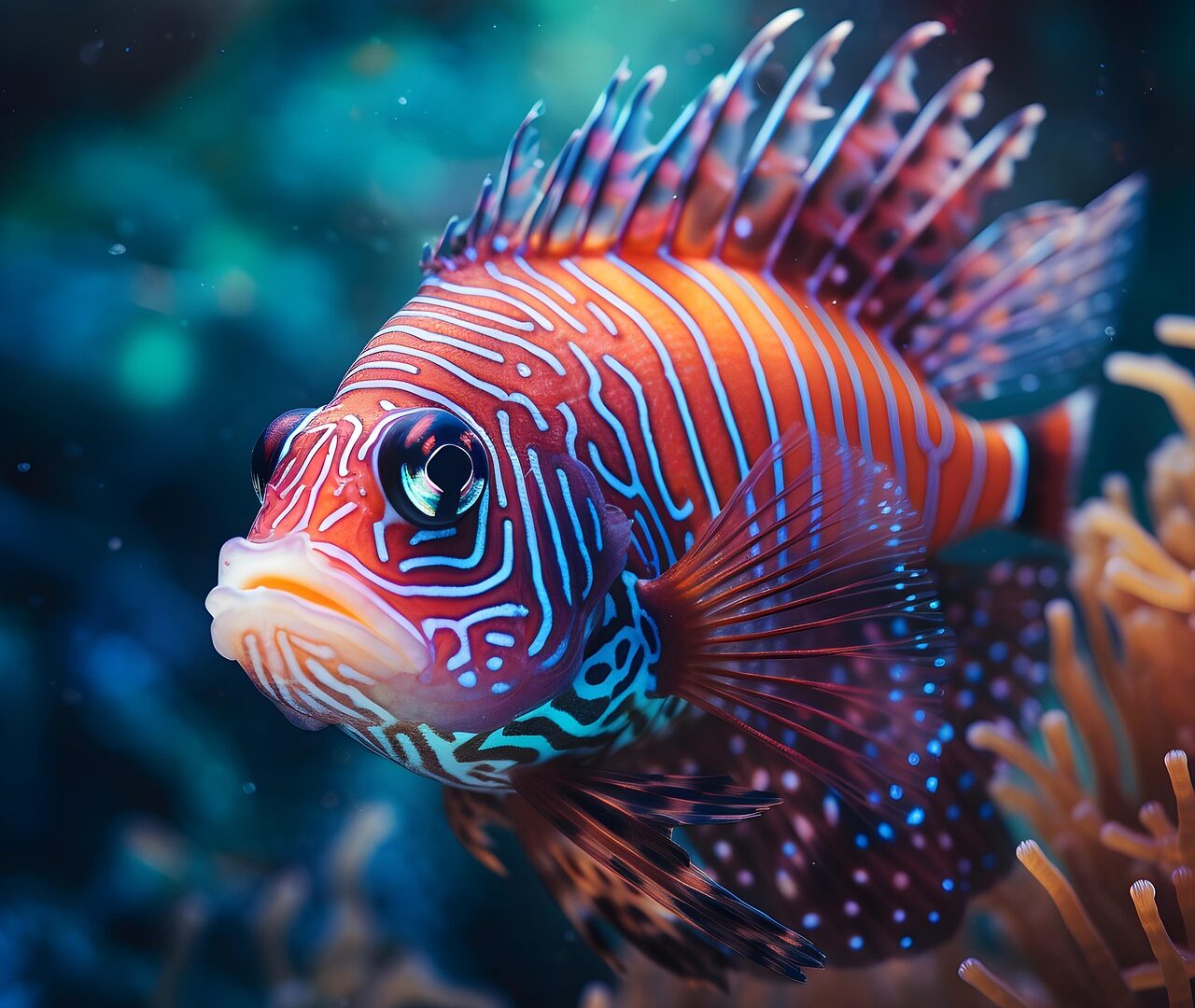
Crossing a stabilised Crystal Red line with a Taiwan Bee such as Blue Bolt or Black King Kong is the shortest legitimate route to pintos, mischlings and the occasional Extreme King Kong — and it is also where most Singapore breeders lose three to six months culling F1 fry that look disappointingly ordinary. A taiwan bee f1 cross breeding project rewards patience rather than speed, and this guide from Gensou Aquascaping at 5 Everton Park lays out the pairing choices, tank conditions and grading framework that have given our advanced shrimp students workable F2 pools within a year. Expect honest numbers on cull rates, quiet truths about hidden recessives, and the costs of doing it badly.
Why Cross CRS With Taiwan Bees at All
Taiwan Bee shrimp are genetically CRS carrying recessive mutations that express as solid shells — blue, black or deep red with white caps. Cross a high-grade CRS with a Taiwan Bee and every F1 shrimp is a mischling: phenotypically a CRS but carrying one recessive allele. The point of the cross is not the F1 animals; it is the F2 pool you get when you breed two F1 siblings, because roughly a quarter of those fry will finally express the Taiwan Bee trait. If you are new to the base species, start with our Caridina cantonensis and Taiwan Bee care foundations first.
Choosing Parent Stock
Parent selection decides the project. We prefer an SS or SSS-grade CRS male paired with a Black King Kong female, or inverted depending on who is more reliably breeding. Both parents should be at least four months old, fully coloured, moulting normally, and from a colony you have watched for three generations. Avoid shops selling “mixed bee” tanks — you need single-trait parents to read the F2 results cleanly. Reference our CRS selective line piece before buying.
Water Parameters for the Project Tank
Run the F1 project tank at TDS 120 to 140 ppm, GH 4 to 5, KH 0 to 1, pH 5.8 to 6.2 and temperature 22 to 23 degrees. In Singapore that means RO water remineralised with a bee-grade GH booster, active soil such as ADA Amazonia or Akadama, and a small chiller. Our remineralisation workflow covers the specific dosing curve, and the shrimp TDS guide explains why the 10 ppm swing matters at this purity.
Pairing, Saddles and Berry Windows
Move the chosen parents into a 30 to 45 litre bare-bottom or minimal-scape tank, feed sparingly on mineral sticks and biofilm, and wait. A healthy female saddles within two to three weeks and drops eggs after the next moult. Expect the first berry to release 20 to 30 fry at around three weeks of incubation at 23 degrees. Note the date meticulously — the F1 generation needs to be culled and paired within a documented timeline.
Reading the F1 Generation
Every healthy F1 shrimp will look like a CRS with variable grading. Do not expect pintos, blue bolts or solid blacks at this stage. What you are assessing is vigour, shell quality, moulting cleanliness and colour density. Pull weak or deformed fry within the first month. Target a retention rate of 60 to 70 percent from the initial batch; anything above that usually means you are keeping stock that will weaken the line.
F1 to F2: The Critical Breeding Pair
Choose two to three F1 pairs from the strongest siblings and move each pair to a separate 20 to 30 litre breeding unit. Keep parameters identical to the project tank. You want siblings breeding siblings — this is the only way the recessive Taiwan Bee allele can stack homozygously and express. Label tanks with parent codes; a simple waterproof marker on the rim is fine. This is also where records matter most; our shrimp breeding rack guide covers logbook discipline.
Expected F2 Ratios and Phenotypes
Textbook Mendelian prediction gives 25 percent homozygous Taiwan Bee expression, 50 percent heterozygous CRS-looking mischlings, and 25 percent homozygous CRS. Real Singapore tank results usually sit at 18 to 22 percent Taiwan Bee expression because of hidden modifier genes and early fry losses. From the expressed quarter, you may see blue bolts, black king kongs, red wines, snow whites and occasional pintos depending on parent genetics. Keep a small pinto genetics reference handy when grading.
Culling Framework
Cull hard at F2. Separate by phenotype, and within each phenotype rank on shell opacity, colour evenness, size and vigour. Move culls to a community display tank — do not feed them back into the project. Advanced breeders typically keep only 10 to 15 percent of F2 fry as future breeders. The advanced selective breeding piece covers the ranking mechanics in depth.
Singapore Climate and Chiller Discipline
Taiwan Bee crosses dislike temperature swings more than almost any other caridina project. A jump from 22 to 26 degrees during a mid-afternoon power cut can trigger premature moulting and destroy a berry. Run a dedicated chiller on the project rack, keep a battery-backed air pump ready, and avoid placing the tank on external walls that bake in afternoon sun. Most HDB kitchen yards are unsuitable; a bedroom or study with stable AC works best.
Timeline and Realistic Expectations
From first pairing to first expressed F2 shrimp, budget eight to ten months. Commercial Taiwan Bee breeders in Taiwan and Germany run three to five F generations before releasing stock, so do not feel behind at F2 or F3. The project rewards consistency: the same parameters, the same food rotation, the same observation notes every week. If you rush the culling or mix F1 batches, you lose the ability to read the genetics at F2.
Where to Source Parent Stock in SG
C328 Clementi carries decent CRS stock at $8 to $15 per head for SS-grade, and specialist breeders on Carousell list Taiwan Bees from $25 to $80 depending on grade. Avoid bulk-pack “mystery tin” listings — you cannot verify phenotype or lineage. Serious projects sometimes import through Shopee from Malaysian breeders, though you accept the temperature-stress risk on transit. Budget $250 to $500 for a clean starting line of eight to ten parent shrimp.
Related Reading



