
Flatworm Species ID Reef Guide: Red, Rust, AEFW
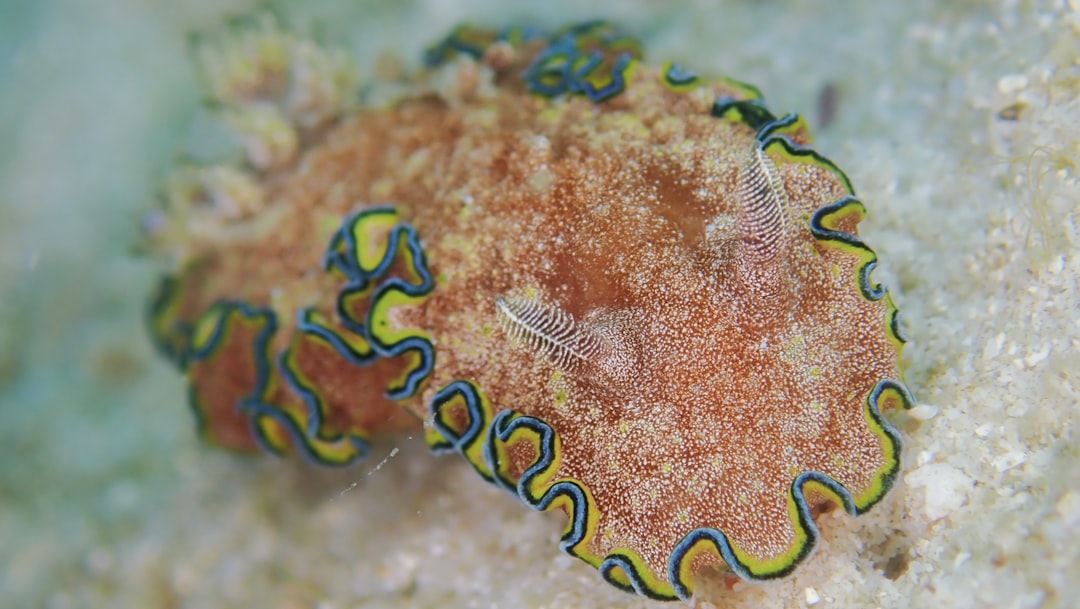
Three species of flatworm show up on Singapore reef tanks with enough regularity that every reefer should be able to tell them apart at a glance. This flatworm species ID reef guide from Gensou Aquascaping at 5 Everton Park walks through the visual cues, tissue damage signatures and treatment differences between red planaria, rust brown flatworms and Acropora-eating flatworms. Mistaking one for another leads to wasted dips and, worse, to bleach events on SPS colonies that were never the target host in the first place.
Red Planaria Visual Cues
Red planaria (Convolutriloba retrogemma) are rust-red to deep brick in colour, around 3 to 5 mm long, with a distinctive forked tail. They carpet low-flow sand patches, glass corners and the shaded sides of live rock in blooms that look like a reddish film. Under torchlight the bodies catch a wet sheen that distinguishes them from cyano; cyano smears, flatworms glide. Symbiotic algae inside the tissue gives the colour, which is why blackout treatments weaken a population before removal.
Rust Brown Flatworm Habits
Rust brown flatworms are larger, up to 8 mm, oval-shaped and tan to coffee coloured. They favour flow-shielded coral bases rather than open rock and glass. Unlike red planaria they do not form dense mats but scatter individually across a reef. Damage is primarily aesthetic plus a hidden nutrient release when a die-off occurs, though heavy populations shade zoanthid and palythoa mats enough to cause polyp retraction over weeks.
AEFW Tissue Signatures
Acropora-eating flatworms (Amakusaplana acroporae) are the species that keeps SPS keepers awake at night. The flatworms themselves are nearly transparent and blend against coral tissue, with only the dark egg clusters giving them away on the underside of branches. Tell-tale signs include scalloped bite marks along branch bases, patchy tissue loss on colony flanks, and polyp retraction on specific branches rather than the whole colony. Our SPS-dominant reef aquascape guide covers coral placement that makes dip inspections easier.
Where Each Species Hides
Red planaria carpet the lit sand border and glass under 500 lux. Rust browns prefer coral bases in the 5 to 15 cm flow zone. AEFW hide against the tissue they eat, invisible unless the colony is dipped and shaken over a white tray. Knowing the preferred habitat speeds diagnosis; a reefer reporting flatworms on the glass is almost never describing AEFW regardless of what they fear.
Why Misidentification Matters
Red planaria respond to Flatworm eXit dosed at 25 drops per 100 litres, a treatment that does little to AEFW and may stress wrasses if overdosed. AEFW require repeated coral dips with Bayer Complete or similar chemistry, a completely different workflow covered in our coral dipping protocol. Treating an AEFW problem with Flatworm eXit wastes two weeks while colonies continue to bleed tissue.
Testing and Diagnosis Technique
For AEFW suspicion, dip the coral in a dark container with Bayer or CoralRx for five minutes, then shake vigorously over a white bowl. Adults and eggs drop off and become visible against the pale background. For red planaria and rust browns, a turkey baster blast across rock surfaces at lights-on will dislodge individuals into the water column for identification under a magnifier.
Population Dynamics in SG Tanks
Red planaria bloom rapidly in nutrient-rich tanks; we have seen clean rockscapes carpeted within 10 weeks when skimmer output drops. Rust browns grow more slowly but are harder to clear once established because they hide in coral bases. AEFW populations double roughly every 12 to 18 days in warm SG reef temperatures, which compresses the response window compared with temperate reefs. Weekly checks beat monthly panics every time.
Natural Predators and Limits
Six-line wrasse (Pseudocheilinus hexataenia) and yellow coris wrasse (Halichoeres chrysus) eat red planaria reliably. AEFW predators are fewer and less dependable; some wrasses take a few adults but miss eggs entirely. Rust brown flatworms are largely ignored by wrasses. Biological control reduces but rarely eliminates; pair it with husbandry rather than relying on predation alone. Our broader flatworm removal notes sit in the reef tank flatworm removal guide.
Chemical Treatment Ordering
Salifert Flatworm eXit clears red planaria in a single 24-hour dose when carbon is removed and the tank is manually siphoned post-treatment. Repeat after 10 days to catch hatchlings. For AEFW, a minimum of three coral dips spaced seven days apart is required, and every coral must be dipped on the same day. Skipping one colony preserves an egg reservoir and restarts the cycle.
Quarantine to Prevent Reinfection
AEFW arrive almost exclusively on new Acropora frags. A 45-day quarantine with weekly dips of every new SPS purchase is the only reliable barrier; it is the protocol we follow on every client SPS build. Full quarantine setup lives in the marine fish quarantine guide, with the same tank usable for coral dip scheduling.
Singapore Reagent Pricing
Salifert Flatworm eXit sits at $22 to $28 at Polyart and Y618. Bayer Complete insect spray for coral dips is around $18 at hardware counters and lasts through dozens of treatments. CoralRx at $35 per 30 ml bottle is the gentler but pricier alternative for sensitive corals.
Related Reading



