
Majano Anemone Removal Guide: Identification and Treatment
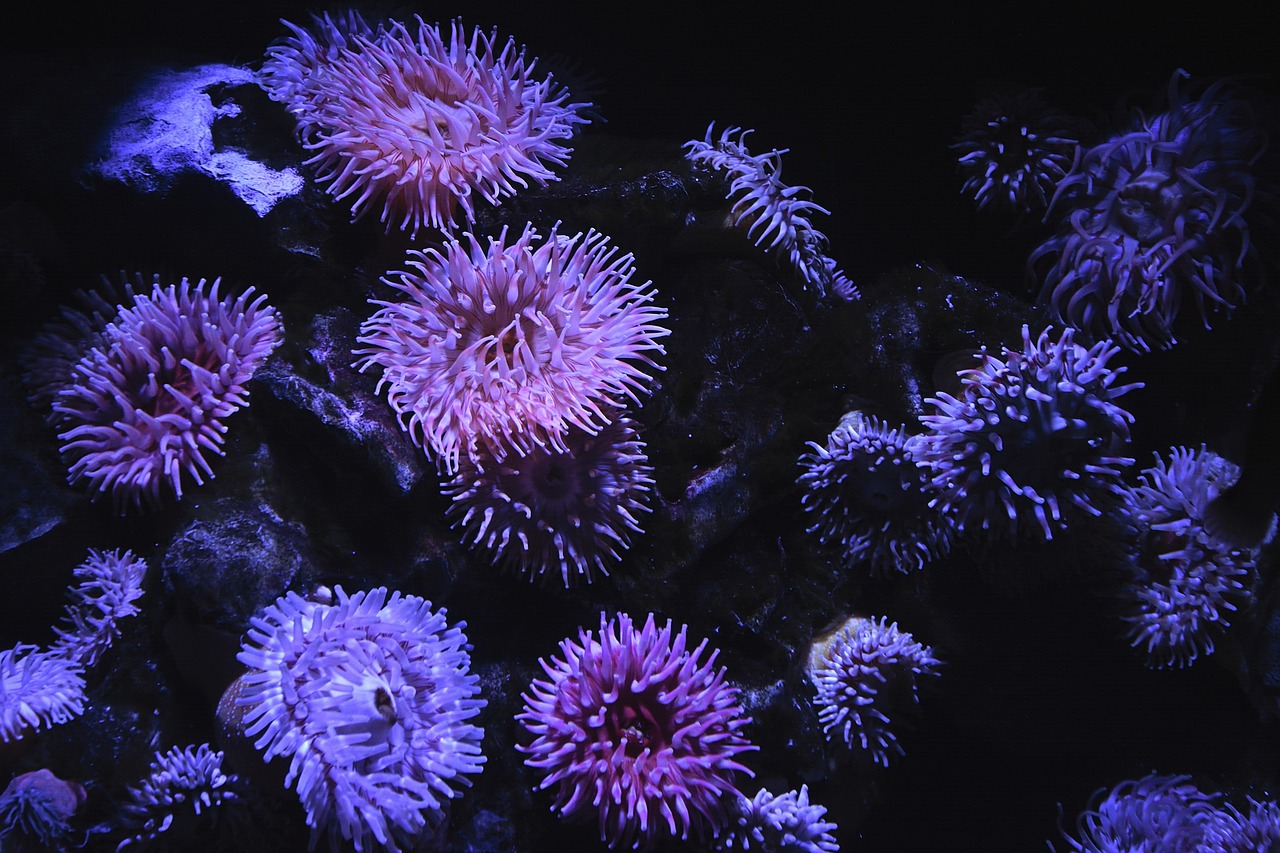
Majano anemones arrive on almost every piece of live rock or uncured frag that passes through Singapore reef shops, and by the time most hobbyists notice them the colony is already producing daughter polyps in the shadows. This majano anemone removal guide from Gensou Aquascaping at 5 Everton Park walks through the identification mistakes, the two treatment routes that actually clear a tank, and the order of operations we follow on client systems when an infestation has spread beyond a single rock. Act decisively once you spot the first polyp; a single Majano can seed a rockscape within six months if left alone.
Why Majano Is Not Aiptasia
Majano (Anemonia majano) sits in a different genus from glass anemones and responds very differently to treatment. The body is stout and brown to emerald green, with short stubby tentacles that rarely exceed 1.5 cm. Aiptasia, by contrast, is slender, translucent tan, and carries long whippy tentacles that retract at the slightest disturbance. Treatments tuned for Aiptasia often miss Majano entirely because the stronger column tolerates calcium hydroxide pastes that would dissolve a glass anemone.
Spotting the First Polyp
Run a torch down the tank on the third night after lights-out; Majano fluoresces a faint green under 450 nm actinic and shows up on rock faces you have not noticed in months. The polyps favour shaded overhangs and the undersides of frag plugs, rarely the brightly lit tops. If you find one, assume there are three more you have not yet seen. Photograph every face of every rock during quarantine so you have a baseline to compare against weekly.
Manual Removal Is Risky
Scraping a Majano with a razor almost guarantees a second polyp within a fortnight. The foot tissue breaks off easily and any fragment left against glass or rock will regenerate. If you must go manual, cut the rock out of the tank, hold the polyp under a fine stream of hot tap water until the tissue sloughs, then return only after a seven-day freshwater soak. Our Aiptasia X application guide covers similar discipline for whole-rock treatment.
Targeted Chemical Injection
The most reliable in-tank approach is a concentrated kalkwasser paste injected directly into the oral disc. Mix calcium hydroxide powder with reef water until it forms a toothpaste-thick slurry, draw into a 1 ml syringe with a blunt fill needle, and express 0.2 ml into each polyp while the tentacles are relaxed. Aiptasia X works on smaller Majano under 1 cm but struggles on the larger colonies; the lemon-juice DIY route covered in our Aiptasia lemon juice method is unreliable for Majano in particular.
Biological Control Options
Berghia nudibranchs will ignore Majano entirely, which is the single most common misconception Singapore reefers bring to the shop. Peppermint shrimp (Lysmata wurdemanni) show mixed results, with roughly half the cohort we trial actually eating Majano and the rest ignoring them. Copperband butterflyfish and filefish are more consistent grazers but bring their own risk profile on LPS-heavy tanks. Full background on nudibranch limits lives in the Berghia biocontrol guide.
Whole-Rock Quarantine
For new purchases from Iwarna, Polyart or any tank with known history, dip every rock in a 1 percent bleach solution for 10 minutes before placement. Rinse under PUB tap, soak in dechlorinated RO for 48 hours, and test for residual chlorine with a dip strip before returning to the display. This single step has saved more client tanks than any in-tank treatment combined; the time cost at the start of a build is tiny against a 12-month eradication campaign later.
Why Infestations Come Back
Majano fragments travel on powerheads, frag plugs and even magnet cleaners. If you treat a single rock and skip the sump, expect a relapse within eight weeks from tissue lodged in the return plumbing. Treat the entire system in one weekend where possible, including any refugium rock, and break down the powerheads to check impellers for hitchhiking foot tissue. A clean tank is only clean when every wet surface has been checked.
Dosing Frequency and Patience
Expect two to three rounds of kalkwasser injection across three weeks to clear a moderate infestation. Dose one or two polyps per day rather than 20 in a session; dead tissue dissolving at once spikes ammonia and can crash a small nano. Run carbon during the treatment window and watch livestock closely for the first 24 hours after each injection.
Singapore Water and Reagent Sources
Calcium hydroxide for kalkwasser is available at Polyart and through Shopee listings for around $12 per 500 g bag; it stores indefinitely in a sealed container. Aiptasia X from Red Sea retails at $22 to $28 at Y618 and C328 Clementi reef counters. Peppermint shrimp run $5 to $8 each at Serangoon North Avenue 1 livestock shops when stock is in; ask for freshly collected rather than long-holding specimens.
Prevention Through Quarantine Protocols
Every coral, rock and frag plug passes through a dedicated quarantine system on our client builds for a minimum of 21 days with weekly visual checks. Pair this with a full coral dip routine as detailed in our coral dipping protocol, and the Majano risk drops to near zero. Shortcuts at quarantine always cost more time later.
When to Call in a Professional
Infestations that cover more than 20 percent of rockscape are beyond weekend treatment. Stripping the tank, boiling the rock and recycling with new live rock is often faster and cheaper than a three-month injection campaign. Weigh the livestock stress of a complete teardown against another month of daily dosing; for most clients the reset wins.
Related Reading
- Aiptasia X Application Guide Reef
- Aiptasia Berghia Nudibranch Biocontrol
- Aiptasia Lemon Juice DIY Method
- How to Dip Corals Before Adding Reef
- Best Coral Dip Solution Pest Removal



