
What Do Snails Eat in Fish Tank Guide: Diet Needs
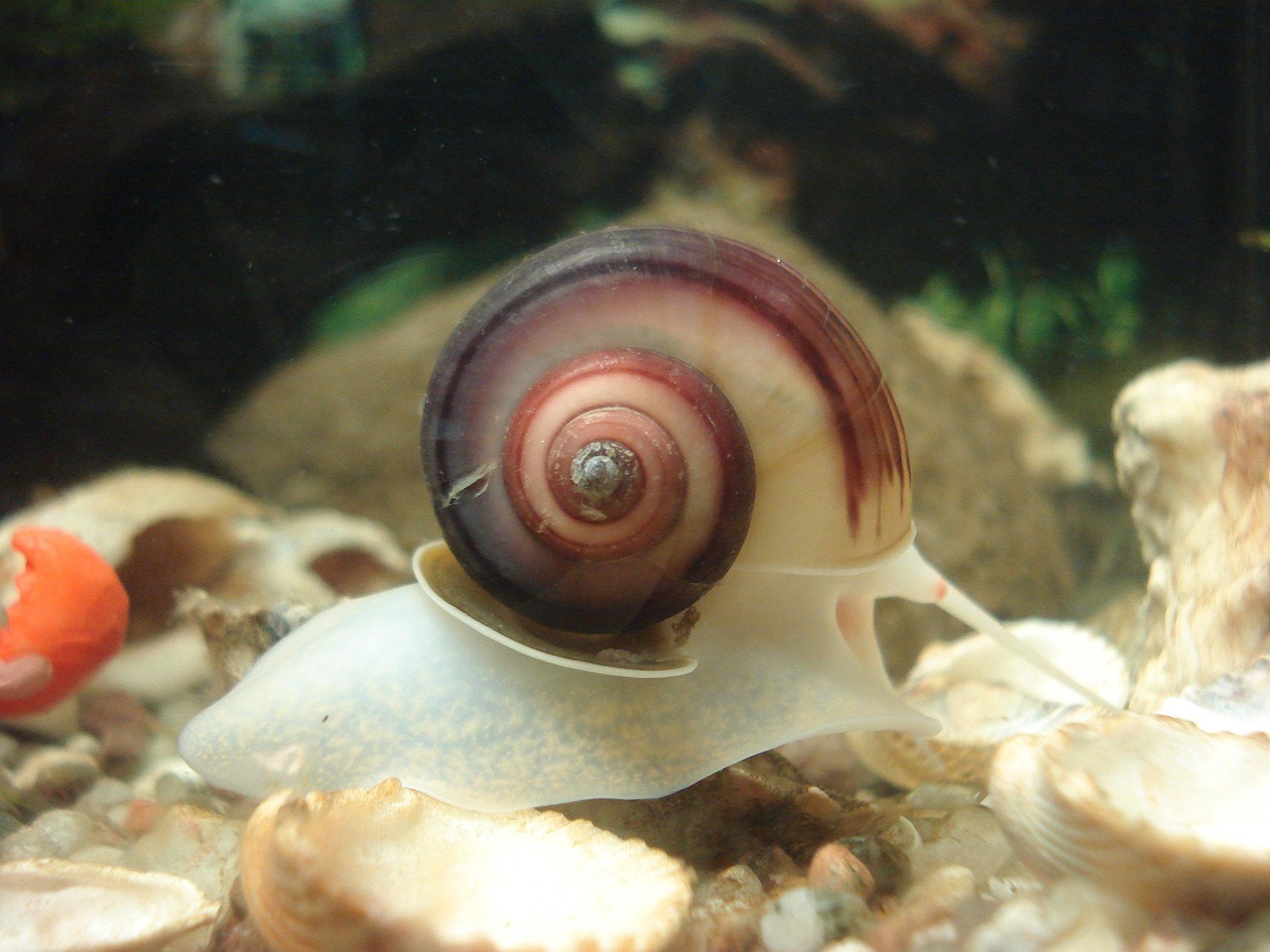
A snail eating less than expected is usually not hungry — it’s starving. The difference matters because “eating less” suggests a food preference, while “starving” points at a tank still too sterile to support the species. Understanding what snails actually eat, and when your tank can and can’t provide it, prevents mystery deaths in the first month. This what do snails eat in fish tank guide from Gensou Aquascaping at 5 Everton Park breaks down natural diet, supplemental feeding and the specific Singapore adjustments that keep shells and bodies in prime condition.
Biofilm Is the Base Layer
Every aquarium snail, regardless of species, derives most of its nutrition from biofilm — the mixed mat of bacteria, micro-algae and protozoans that coats every surface in a mature tank. A new tank (under eight weeks cycled) has almost no biofilm, which is why freshly-stocked snails often die inside two weeks. Mature the tank first, then add snails; do not stock day one alongside fish.
Algae: Not All Types Are Food
Film algae, green spot algae and diatom layers are prime snail food. Hair algae, black beard algae and blue-green cyanobacteria are mostly ignored. Expecting a snail to clear a severe hair algae outbreak is a common disappointment — nerites nibble tips but won’t touch the holdfast. For those tougher algae types, pair snails with algae-eating fish or shrimp rather than scaling up snail numbers.
Supplementing the Diet
Fresh vegetables blanched for 60 seconds dominate the supplementation list. Zucchini, cucumber, courgette, spinach, lettuce and kale all work. Weigh slices down with a stainless holder and remove after 24 hours to avoid water fouling. Commercial options include Hikari Algae Wafers, DIS Pleco & Catfish Algae Wafer and Tropical Green Algae Wafers — spirulina-boosted options give the best colouration.
Protein for Assassin Snails
Assassin snails (Clea helena) are carnivores. Once a pest population is cleared they switch happily to Hikari Sinking Wafers, Hikari Frozen Bloodworm, and pellets meant for corydoras. Feed small amounts twice a week and they maintain body condition indefinitely. Do not overfeed — uneaten protein fouls water faster than plant matter.
Calcium and Carbonate Are Separate Nutrients
Shell chemistry depends on both calcium (for hardness) and carbonate (for structure). Singapore PUB tap is low on both at GH 2-4 and KH 1-2. A cuttlebone in the filter provides slow-release calcium for months. Crushed coral in the substrate or filter supplies carbonate. A Zoo Med Dr Turtle Calcium Block combines both in a single accessory. The water care treatment section has more options.
Signs of Calcium Deficiency
White erosion at the shell apex is the first visible symptom. Progression includes thin flaking at the lip, pitting on the body whorl, and brittle crumbling of older sections. Once calcium is restored, new shell grows strong but previous damage doesn’t heal — prevent rather than cure. Test KH weekly and target 4-5 dKH for most snail species; rabbit snails need 6-8.
Feeding Frequency and Portion Size
In a mature planted tank with 8-12 snails, supplementation is a once- or twice-weekly single algae wafer. More frequent feeding creates ramshorn and bladder population explosions within weeks. If your tank has only snails (no fish), feed one algae wafer per 6-8 snails every three days. Weigh portions rather than eyeballing — snail appetite is almost unlimited.
Foods to Never Offer
Avoid citrus, onion, garlic, anything in brine or with preservatives, and processed human food entirely. Copper-treated fish foods can harm snails over time — check labels on any fish food products marketed for pleco and catfish use. Medications in the conditioners and medications section also need review; ich treatments especially are often invertebrate-toxic.
Starvation vs Fasting
Snails can fast for 10-14 days without visible decline, which is useful during travel. Extended starvation beyond three weeks triggers shell resorption — the animal metabolises its own calcium. If you’ll be away longer, set up a timed feeder with a slow-release wafer or recruit a neighbour for a single weekly portion.
Matching Food to Species Mix
Mixed-species snail tanks need diet planning. Nerites and horned nerites get their algae wafer by day; assassins get bloodworm by evening. Mystery snails feed on both plant-origin wafers and high-protein pellets — they’re the dietary generalists. Malaysian trumpets scavenge whatever reaches the substrate. In a balanced group, a single Hikari algae wafer plus a weekly protein supplement covers all rungs.
Related Reading



