
Snails for Fish Tank Complete Guide: 10 Species Compared
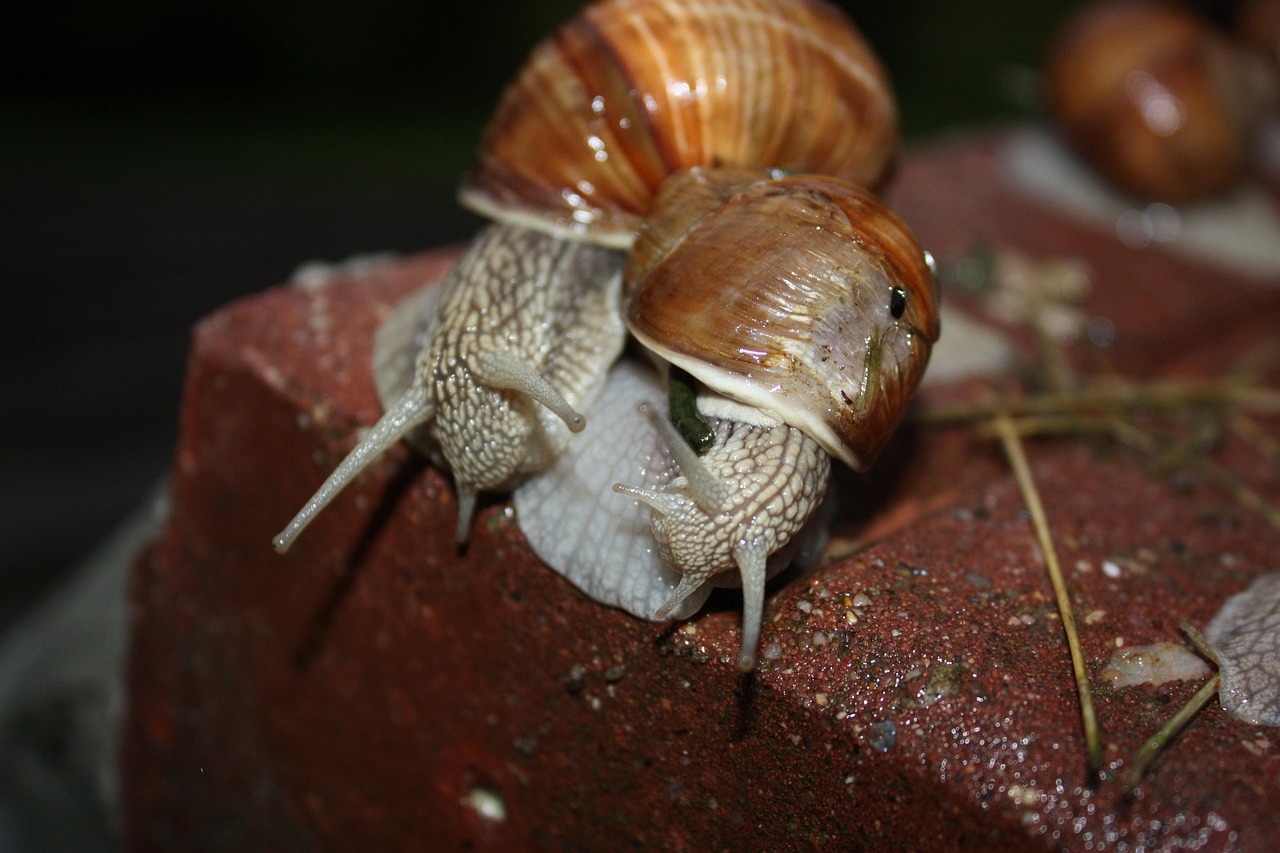
Most Singapore hobbyists meet aquarium snails by accident — a hitchhiker ramshorn on a new crypt, or a trumpet snail boiling out of the substrate at midnight. That first encounter colours the rest of your relationship with gastropods, which is a shame because the deliberate picks are among the hardest-working livestock you can add. This snails for fish tank complete guide from Gensou Aquascaping at 5 Everton Park compares ten species side by side, covering diet, shell biology and the Singapore sourcing realities that decide which ones you can even buy legally.
How Snails Earn a Spot in the Tank
A well-chosen snail does three jobs your siphon cannot. It grazes biofilm off glass and hardscape, it converts uneaten food into mulm, and it exposes dead zones in the substrate before anaerobic pockets form. Malaysian trumpet snails are the classic example — they bury by day, rise at night, and aerate sand beds without disturbing plant roots. Add a nerite for algae and a mystery for surface scum and you have effectively replaced a weekly 20-minute scrub.
Nerite Snails for Algae Control
Zebra, tiger, horned and olive nerites (Neritina spp.) are the gold standard for hard algae. They rasp green spot and diatom films off glass and leaves without touching healthy plants. All four varieties stay 2-3 cm and tolerate the 27-30°C tank temperatures common in HDB flats. Eggs appear as white sesame-seed spots but need brackish water to hatch, so you never get a population explosion. Source them from the Zebra Nerite Snail or Horn Nerite Snail listings — SGD 3-5 per piece locally.
Mystery Snails for Peaceful Community Tanks
Mystery snails (Pomacea bridgesii, sometimes called apple snails) grow golf-ball sized, come in gold, ivory, blue and magenta, and trawl the water column like a slow-motion clean-up crew. They breathe air through a siphon so a tight lid is mandatory. Important regulatory note: Pomacea canaliculata, the channelled apple snail, is classified as invasive and cannot be imported into Singapore — only locally-bred P. bridgesii morphs are legal. Qian Hu, Iwarna and Petopia all stock the Mystery Snail morphs at SGD 4-8 each.
Assassin Snails for Pest Control
Assassin snails (Clea helena) are the answer to a ramshorn or bladder snail outbreak. They bury in the sand, ambush smaller snails, and extract them with a proboscis. A dozen assassins in a 60-litre tank will clear a pest population in two to three weeks. They breed slowly, lay single translucent eggs on hardscape, and ignore plants and shrimp adults. Expect SGD 4-6 per piece at C328 or Carousell breeders.
Malaysian Trumpet Snails for the Substrate
The spire-shaped Malaysian trumpet (Melanoides tuberculata) is either loved or hated. In planted tanks they prevent compaction and anaerobic gas pockets; in low-maintenance tanks they explode in numbers when overfed. Control the population by cutting back feeding rather than killing off the colony — they only multiply to match available food. A sand substrate from the decoration and substrate range shows their burrowing behaviour best.
Ramshorn, Pond and Bladder Snails
Red ramshorn (Planorbella duryi), pond snail (Lymnaea stagnalis) and bladder snail (Physella acuta) mostly arrive unannounced on plants. Red ramshorns are pretty enough that many keepers cultivate them on purpose; bladder snails are the ones that haunt neglected tanks with jelly egg clutches everywhere. If pest numbers climb, the JBL LimCollect II Snail Trap or a blanched courgette slice left overnight will extract hundreds at a time.
Rabbit and Trapdoor Snails
Rabbit snails (Tylomelania spp., Sulawesi natives) trade speed for size — they grow to 8 cm, spend hours grazing biofilm, and come in yellow, orange and black morphs. Trapdoor snails (Viviparidae) seal themselves with an operculum and tolerate cooler water than most tropicals, making them the pick for temperate goldfish or hillstream setups. Both remain specialist orders; check Iwarna or the Rabbit Snail listing when stock appears.
Singapore Shell Growth and Water Chemistry
PUB tap water runs KH 1-2 and GH 2-4, which is genuinely too soft for snails to build shells without help. Pitting, thin edges and white erosion at the apex all trace back to low calcium. Drop a piece of cuttlebone into the filter chamber or add crushed coral to the water care treatment routine; either lifts dKH 2-3 points and gives snails the carbonate they need. A Zoo Med Dr Turtle Calcium Block repurposed as a snail supplement lasts 3-4 months.
Feeding Beyond the Algae Layer
Nerites and mystery snails will starve in a newly-cycled tank that has no biofilm yet. Supplement with Hikari Algae Wafers, blanched spinach, or DIS Pleco & Catfish Algae Wafer twice a week. Assassin snails eat frozen bloodworm and sinking wafers when pest snails run out. Overfeeding invites the bladder and pond snail population you just worked to control, so err on the light side.
Choosing Based on Tank Role
Match the species to the job. Algae on glass goes to nerites. Substrate aeration goes to Malaysian trumpets. Pest outbreaks get assassins. Display and personality goes to mystery or rabbit snails. Mixing two or three roles in one tank is fine provided bioload stays within your filter’s capacity; 10-15 snails in a 60-litre tank is a comfortable ceiling.
Related Reading



