
Emerald Danio Complete Care Guide: Celestichthys erythromicron
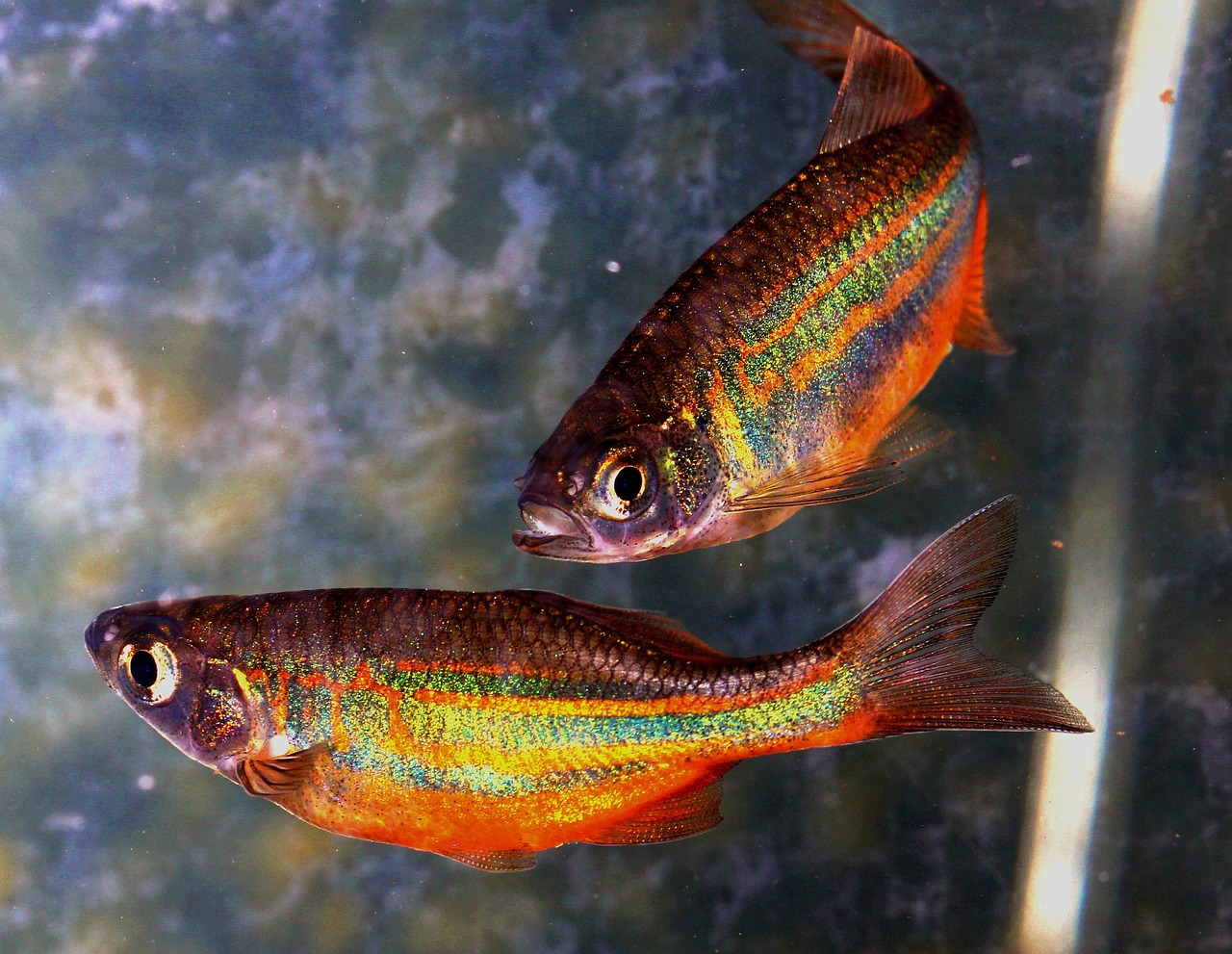
The emerald danio is a tiny, exquisitely marked schooling fish that almost no Singapore LFS stocks consistently — which is exactly why dedicated nano-tank keepers hunt for it on Carousell and in hobbyist trade groups. Celestichthys erythromicron (formerly Microrasbora erythromicron) shares its genus with the celestial pearl danio but stays smaller, calmer and perfectly suited to 20-40 litre planted nano setups. This emerald danio complete care guide from Gensou Aquascaping at 5 Everton Park walks through keeping the species well and finding stock locally. A small planted tank from the aquarium tanks range is all the hardware you need.
Identity and Naming
Taxonomy reshuffled this species from Microrasbora to Celestichthys alongside the celestial pearl danio (CPD), reflecting their close relation. Emerald danios grow to 2-3 cm with a greenish iridescent flank, vertical orange-red bars and a small caudal spot. They are often confused with CPD in shop tanks; the key tells are the vertical striping on emeralds versus the spotted pattern on CPDs.
Temperament and Schooling
Emerald danios are among the most peaceful nano schooling fish — they do not nip, chase weaker fish or compete aggressively at feed time. They shoal loosely rather than tightly, spreading across the tank mid-water. Keep eight minimum, twelve preferred. Smaller groups sulk and lose colour. They share tanks comfortably with CPD, chili rasbora and dwarf shrimp without any trouble.
Tank Size and Layout
A dedicated nano of 20-40 litres holds 8-12 emerald danios well. A 30 cm cube with dense moss, small driftwood and a low carpet of Marsilea hirsuta or dwarf hairgrass creates the understory they prefer. Floating plants such as Amazon frogbit or Salvinia dim the upper water column, which brings the fish into the open rather than pinning them to hiding spots.
Water Parameters
Target 22-26°C, pH 6.5-7.5, GH 4-10, KH 2-6, ammonia and nitrite zero, nitrate under 15 ppm. These are Inle Lake endemics in Myanmar — mineralised, neutral-pH water, not blackwater. Singapore tap water sits slightly soft for ideal chemistry; crushed coral in the filter or a light remineraliser from the water care catalogue keeps GH and KH stable. Cool climate-controlled rooms suit them best — ambient 28°C+ is at the top of their tolerance.
Feeding the Small Mouth
Micro-pellets, crushed flake, live baby brine shrimp, frozen cyclops and microworms all work. Adult emerald danios have small mouths and cannot eat standard community pellets — anything larger than 0.5 mm gets ignored. Hikari First Bites and Sera Micron are reliable dry options from the fish food range. Feed small amounts twice daily.
Tank Mate Options
Celestial pearl danio, chili rasbora, boraras species, pygmy cory, hastatus cory, Amano shrimp, cherry shrimp, sulawesi rabbit snails and nerite snails all work. Avoid any fish large enough to eat an emerald danio — this includes adult angelfish, bigger tetras and any cichlid above dwarf size. A species-only tank or a tight nano community produces the best displays.
Breeding in a Nano
Emerald danios spawn continuously in a well-planted tank with moss and dwarf shrimp cover. Eggs scatter into java moss, and survival rate is modest without active separation. Dedicated breeders move eggs to a fry tank with seasoned sponge filter and feed infusoria, then microworms, for the first two weeks. Captive breeding in Southeast Asia supplies nearly all hobby stock today.
Singapore Sourcing Reality
LFS stock of emerald danios is rare. Y618, Polyart and a handful of Thomson-area shops bring them in occasionally but do not guarantee supply. The reliable channel is Carousell SG and Facebook groups such as SG Aquascaping and SG Nano Tank — hobbyist breeders list small batches regularly. Expect SGD 4-8 per fish at LFS and SGD 3-5 from private breeders. Import runs from Indonesian farms land every few months.
Health Notes
Emerald danios are hardy once acclimatised but ship poorly in long transit. Bags from overseas arrivals often include 5-10% DOA. Drip-acclimatise over 60-90 minutes and quarantine for 10-14 days. Watch for skinny disease — internal parasites are common in wild-line imports and treatable with metronidazole or a commercial parasite formula.
Long-Term Performance
Expect 3-5 year lifespans from healthy stock in stable water. Colour develops over six months from the muted juvenile pattern to the adult emerald-and-orange flank. For keepers who want a rare, peaceful nano schooler without the high-maintenance quirks of celestial pearl danios, the emerald danio complete care guide really boils down to a patient group of twelve, mineralised water and cool ambient temperature.
Related Reading



