
IAPLC Entry Photo Checklist Guide: Lighting Backdrop Specs
An aquascape that would have placed Top 100 routinely drops 200-500 ranks because of a sloppy photograph — visible filter intake in the corner, uneven lighting, dirty back glass, fish swimming in the shot. The IAPLC entry photo checklist is the most undervalued part of contest preparation and the easiest to control because every item on the list is binary: you either nailed it or you didn’t. This guide from Gensou Aquascaping at 5 Everton Park breaks down the technical specs, equipment, and the 30 May annual deadline workflow.
The Mandatory Image Specifications
IAPLC requires a single JPEG file at 1500 pixels wide by 900 pixels tall (16:9 aspect ratio after a 60mm focal-point composition crop). Maximum file size 5MB. RGB colour space, sRGB profile preferred. No watermarks, no text overlays, no logo placement. The photograph must be a single frontal shot of the entire layout with no compositing of multiple exposures or panorama stitching. Submissions failing technical specs are rejected at upload without notification.
The No-Fish Rule
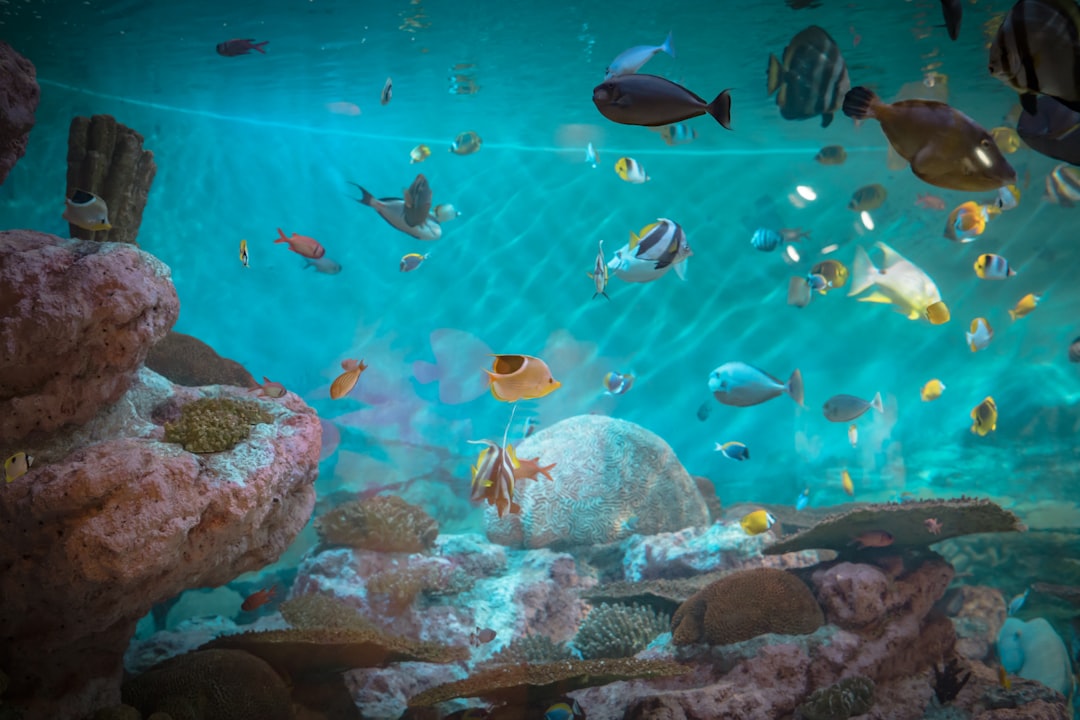
This trips up beginners every year. IAPLC photographs must show no fish, shrimp, or other livestock. Empty water only. The reasoning is that judges score the layout, not the livestock — and consistent livestock-free shots ensure fair comparison across entries. Move livestock to a holding tank 48-72 hours before the shoot using gear from the aquarium equipment range like nets and quarantine bins. Catalogue them carefully so you can return everyone after the shoot.
Backdrop Discipline
Black backdrop. Always black. Matte surface, no reflective sheen. PVC sheet, painted hardboard, or specialised photographic black backdrops cut to fit the back glass. Position the backdrop directly against the back glass to eliminate any ambient light bleed at the corners. White or gradient backdrops are conventionally permitted but score lower because the entire IAPLC visual language has standardised on black for two decades.
Lighting Setup for the Shoot
The photograph requires more light than your daily aquarium lighting. Add two or three high-CRI LED panels (CRI 95+ at 6500K) positioned at 45 degrees above the front glass and angled slightly inward to eliminate harsh top-down shadows. Avoid coloured lighting — pure neutral white renders plant colour accurately for judging. A separate front-facing fill light prevents heavy shadowing of the foreground. Tools from aquascaping tools include the lighting rigs and tripods photographers favour for contest documentation.
Water Clarity Preparation
Run a polishing filter (filter floss, fine mechanical media, sometimes activated carbon) for the 72 hours before the shoot. Skip a water change in the final 48 hours to allow micro-debris to settle. Avoid feeding fish for 24 hours before catching them out — even after fish removal, water suspended particles from feeding affect clarity. Water care supplies from water care and treatment include the polishers and clarifiers needed for tournament-grade water.
Glass Cleaning Discipline
The front, back, and visible side glass must be perfectly clean inside and outside. Outside cleaning with microfibre and isopropyl alcohol removes fingerprints and water spots. Inside cleaning with a magnetic algae cleaner two days before the shoot and a final hand-pass with a stainless scraper the day before. Check at the height the photograph will be taken — invisible smudges become obvious in 1500×900 resolution under contest lighting.
Equipment Removal and Concealment
Remove visible equipment from the shoot tank. CO2 diffuser, intake pipe, outflow lily pipe, heater, thermometer — all out for the photo, then reinstalled immediately after. Leave the filter running with a temporary plain-clear hose if possible to maintain water movement and clarity. Substrate dust raised by equipment removal needs 60-90 minutes to settle. The “no visible equipment” standard is enforced strictly by judges — even partially visible filter intakes cost technical execution points.
Camera Settings and Tripod
Tripod-mounted DSLR or mirrorless camera at the centre of the front glass, lens height matching the centre of the substrate. Aperture f/8 to f/11 for full depth of field. ISO 100-200 for clean colour. Manual white balance set to match your lighting (around 5500-6500K depending on LED panels used). Two-second timer or remote trigger to eliminate vibration from button-press. Shoot 30-50 frames across an evening and select the cleanest single image.
The 30 May Deadline Workflow
The IAPLC submission portal closes 30 May annually at midnight Japan time (23:00 Singapore time). Upload your finished JPEG and entry form at least 48 hours before the deadline because the portal historically slows under entry-week load. Save the confirmation email and screenshot the portal acknowledgement page. Late submissions are rejected without exception. Mark 28 May in your calendar as your personal upload day to absorb any technical hiccups before the actual deadline.
Related Reading



