
Aquascape Hero Shot Composition Guide: Rule of Thirds and Backdrop
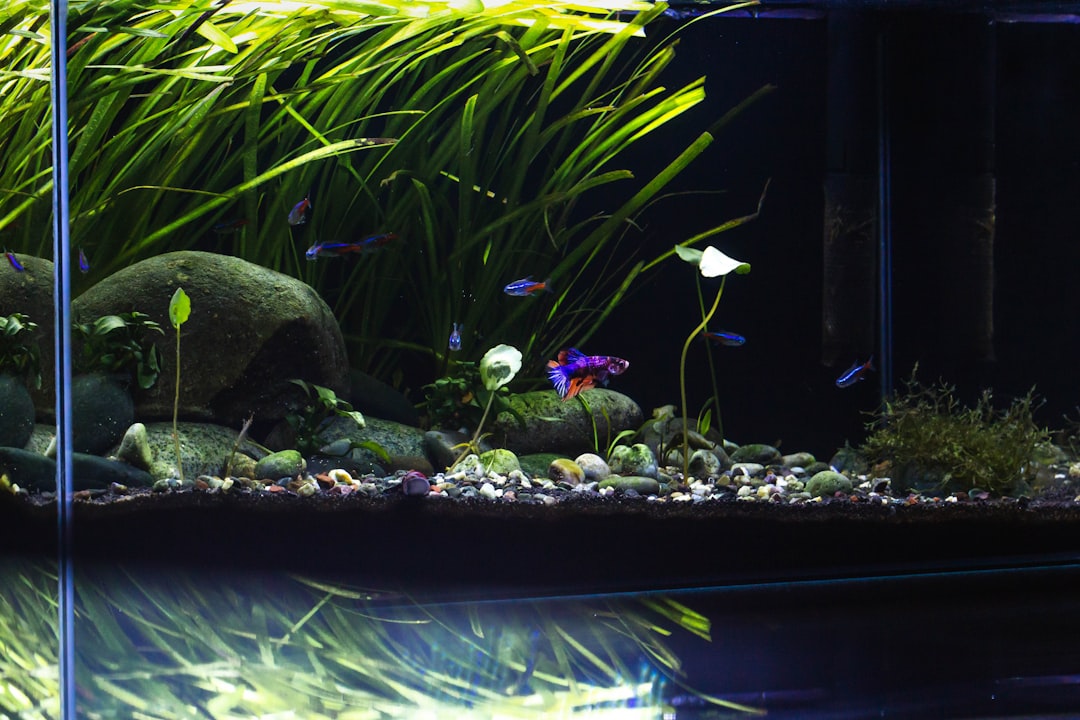
The contest hero shot is one frame that decides whether ten months of scape work registers as a winner or a participation entry. Mastering aquascape hero shot composition is a discipline borrowed from landscape photography and applied to a 60cm glass box, and the small details — bubble-level alignment, lens focal length, fish removal — make the difference between a clean image and one that judges silently downrank. This composition brief from Gensou Aquascaping at 5 Everton Park covers the framing rules and technical settings that produce IAPLC-grade hero shots.
Lens Focal Length Matters
Use a 50mm prime lens for tanks 60cm and smaller, and a 35mm prime for larger setups up to 120cm. Both reproduce roughly natural perspective without the wide-angle distortion that bows hardscape lines and the telephoto compression that flattens depth. Avoid kit zooms — image quality at f/8 trails primes noticeably, and the variable maximum aperture complicates exposure. The Canon RF 50mm f/1.8 STM at SGD 280 is the cheapest serviceable option in Singapore.
Aperture and Depth of Field
Shoot at f/8 to f/11 for sharpness from foreground substrate to background hardscape. Wider apertures (f/2.8, f/4) blur the back of the scape and break the sense of depth that forced perspective tries to create. Diffraction starts to soften images beyond f/16, so f/11 is the practical ceiling. The aquarium lighting range at full intensity provides enough light to shoot f/8 at ISO 200 without strobes.
Shutter Speed and Tripod
1/125s minimum for handheld shots, but a tripod is mandatory for any contest-grade image. Mount the camera on a sturdy tripod with the lens centred on the tank’s vertical midline, then use a 2-second self-timer or remote shutter to eliminate hand-press vibration. Bubble-level the tripod head — a 0.5-degree tilt becomes a visible 3mm misalignment on a 60cm waterline edge.
Camera Position and Eye Level
Shoot from the tank’s vertical midline, slightly below the substrate-water interface, with the camera lens parallel to the front glass. This is the immersive viewer perspective contest judges expect. Shooting from above looks down into the scape and breaks the underwater illusion; shooting from below looks up at the lights and exposes equipment.
The Rule of Thirds Applied
Divide the frame into nine equal sections with two horizontal and two vertical guides. Place the focal point — main hardscape, key plant grouping — on one of the four intersection points. Avoid centred composition unless the scape is intentionally symmetrical (Iwagumi triangle or wabi-kusa cylinder). The aquarium tank range standard 60cm proportions match the rule-of-thirds grid almost natively.
Backdrop Setup
Black foam-board behind the tank kills wall reflections and pushes the scape forward visually. Tape a 80x60cm sheet flat against the tank’s back glass, leaving no gap that would let ambient light leak through. For lighter compositions — wabi-kusa, emersed scapes — neutral grey or white backdrops work, but black is the contest standard. The decoration and substrate range includes scape-building accessories that can prop up backdrops without permanent fixing.
Removing Fish for the Hero Shot
Fish in motion blur the long exposure required for f/8 at low ISO, and even still fish add visual noise that competes with plant composition. Net livestock into a temporary holding tank for the duration of the shoot, then return them after. IAPLC explicitly accepts livestock-free hero shots. Some contests have separate “with fauna” categories — shoot both versions if rules allow.
Glass Cleanliness Beyond the Obvious
Clean both inside and outside glass surfaces with a magnetic algae scraper followed by microfibre. Air-dry water spots on the outside glass rear by wiping deionised water in vertical strokes. Spot dust on the camera-side glass with a Rocket blower. A single fingerprint or water droplet on the front glass shows up obvious in a 24MP capture and disqualifies otherwise winning images.
Surface Reflection Control
Switch off room overhead lights during the shoot to eliminate reflections in the tank’s water surface. Run only the scape lights and the photo panels. If reflections persist, drop a black cloth over the room ceiling area directly above the tank, or shoot under a black tent setup for portable studios.
The Test Frame Routine
Take a test frame at full settings, zoom to 100 per cent on the camera screen, and check three things: edge-to-edge sharpness, level horizon at the substrate line, and clean black backdrop without light leak. Adjust before committing to the final shoot session — IAPLC photo deadlines do not forgive a re-shoot.
Related Reading



