
Coral Zooxanthellae Symbiosis Deep Guide: Photosynthesis Bleaching
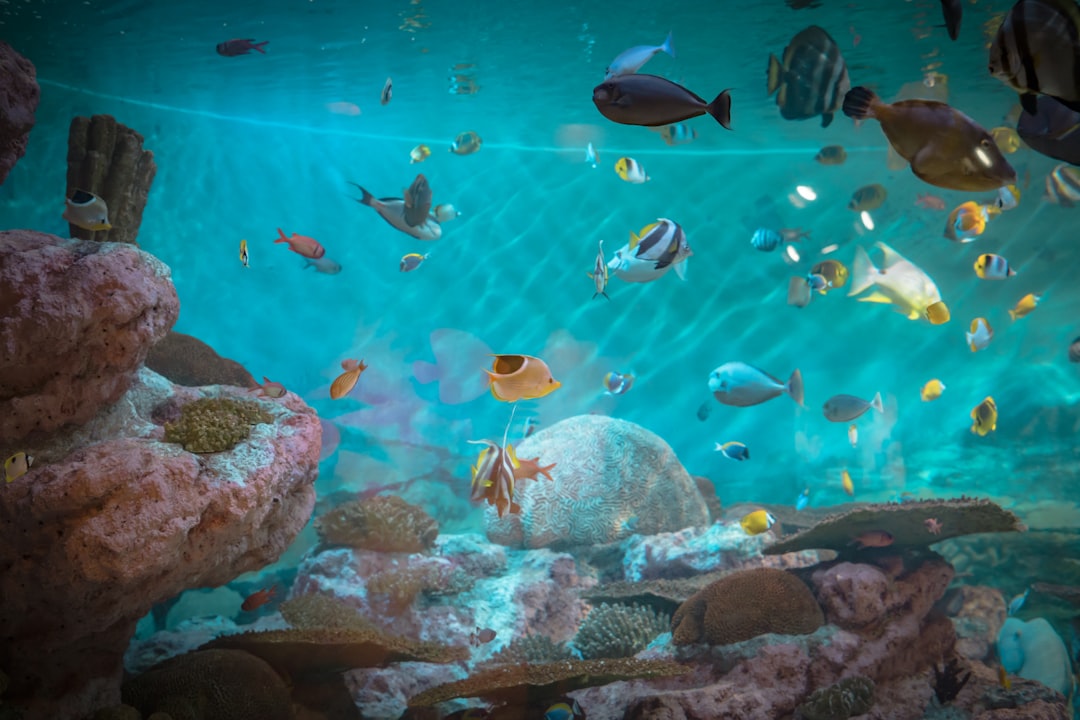
A reef tank glows because of one of the most successful symbioses in the ocean — single-celled dinoflagellates living inside coral tissue, trading photosynthetic sugars for nitrogen waste. The coral zooxanthellae symbiosis is what allows corals to thrive in oligotrophic tropical waters that would otherwise be biological deserts, and it is what makes them so vulnerable to small temperature shifts. This deep dive from Gensou Aquascaping at 5 Everton Park covers the Symbiodinium clades, the metabolic exchange, and the bleaching cascade that ends with expulsion of the photosynthetic partner under heat stress.
What Zooxanthellae Actually Are
Zooxanthellae are unicellular dinoflagellates of the family Symbiodiniaceae, formerly all lumped under the genus Symbiodinium. Modern phylogenetics has split them into several genera (Symbiodinium, Breviolum, Cladocopium, Durusdinium and others) corresponding to the classic clades A through I. Each is a free-living photosynthetic organism that has been recruited into coral, anemone, giant clam and even some flatworm tissues as an internal partner.
The Metabolic Exchange
The symbiosis runs on a tight nutrient swap. Zooxanthellae photosynthesise and pass up to 90 per cent of fixed carbon (as glucose, glycerol and amino acids) directly to the coral host. In return, the coral provides nitrogen and phosphate from its own metabolic waste — ammonia from protein digestion, phosphate from nucleic acid turnover — plus a stable, high-CO2 internal environment that boosts photosynthetic rates. The exchange supplies 70-95 per cent of a coral’s energy budget under normal conditions.
Clade Specialisation
Different clades suit different niches. Cladocopium (formerly clade C) dominates most tropical hard corals and gives the best growth rates. Durusdinium (clade D) is heat-tolerant — capable of functioning at 31-32°C — but provides slower coral growth. Many corals host mixed populations and can shift dominance between clades over weeks in response to environmental change. This shuffling is one of the few mechanisms corals have to adapt to warming reefs.
Light Adaptation and Photosynthetic Tuning
Zooxanthellae adjust their photosynthetic machinery to ambient light over days. High-light acclimated populations have less chlorophyll per cell and more photoprotective xanthophyll pigments. Low-light populations are darker and pack more chlorophyll. Sudden light increases — moving a coral closer to the surface or upgrading lighting from the aquarium lighting range overnight — exceed the photosynthetic capacity and trigger photoinhibition that mimics early bleaching.
The Bleaching Cascade
Bleaching is the breakdown of the symbiosis under stress, most commonly heat stress. When water temperatures exceed the coral’s thermal tolerance by 1-2°C for several days, photosynthesis becomes uncoupled — the electron transport chain produces reactive oxygen species (ROS) faster than antioxidant defences can neutralise them. ROS damages both partners. The coral host expels the zooxanthellae through exocytosis or apoptosis, leaving the tissue translucent and the white skeleton visible.
Recovery Dependencies
A bleached coral is not dead — it is starving. If conditions normalise within two to four weeks, free-living or residual zooxanthellae can recolonise the tissue and the coral recovers, often shifting clade composition toward more thermally tolerant types. Beyond four to six weeks of bleaching, the host’s energy reserves run out and tissue necrosis begins. The aquarium additive range includes amino acid supplements that buy bleached corals additional time during recovery by supplementing the lost photosynthate intake.
Other Stressors Beyond Heat
Heat is the most studied trigger but not the only one. UV exposure damages photosynthetic membranes; sudden salinity shifts disrupt cellular ionic balance; high nutrients can paradoxically destabilise the symbiosis by reducing the host’s leverage over zooxanthellae growth; pollutants like copper or hydrocarbons poison both partners. Captive reef bleaching events are usually multifactorial — a small temperature spike combined with a parameter swing tips the system over.
Captive Reef Implications
Stable temperature is the single most important parameter for captive coral health. A reef chiller from the aquarium equipment range holding the system within ±0.3°C of target dramatically outperforms a wider-swinging setup at the same average temperature. Lighting should be ramped slowly when intensity is upgraded — a week of progressive 10 per cent increases is safer than a one-step change.
Symbiosis in Other Aquarium Species
Zooxanthellae also live inside giant clams (Tridacna species), some sea anemones, certain nudibranchs and even a handful of jellyfish. Each adapts the partnership differently — clams direct sunlight to zooxanthellae through specialised iridophore lenses in their mantle. The fundamental sugar-nitrogen exchange remains the constant.
Related Reading



