
Myth: Snails Cause Tank Disease Debunked Guide
Spot a single snail trail on the glass and the average new fishkeeper reaches for a copper bottle. The myth snails cause disease has produced more dead Amano shrimp than any other piece of bad advice, because the same copper that kills snails wipes invertebrates and erodes the biofilter. This guide from Gensou Aquascaping at 5 Everton Park separates the genuinely useful aquarium snail species from the mythology, explains where the “pest” label actually came from, and gives a measured response when populations do explode. The myth snails cause disease conflates two completely different problems and leads to overreaction every time.
The Myth in Plain Terms
The story claims aquarium snails carry parasites, transmit ich, foul the water, and reproduce uncontrollably to the point of crashing the tank. New keepers are told to nuke any snail on sight with copper, hydrogen peroxide, or assassin snail introductions before the imagined disease wave hits. Mystery, nerite, ramshorn and trumpet snails get tarred with the same brush as the pond snails that hitchhike on plants.
Why the Myth Spreads
The confusion has a real origin: bladder and pond snails (Physa acuta, Lymnaea spp.) genuinely do explode when introduced on uncleaned plants, and they look superficially similar to ramshorns at a glance. New keepers see the population boom, blame all snails, and apply blanket eradication. Wild-caught fish folklore from carp and pond keepers — where snails do host trematode intermediate stages — also got transplanted into freshwater aquarium culture without any species-level filtering.
The Reality of Aquarium Snail Roles
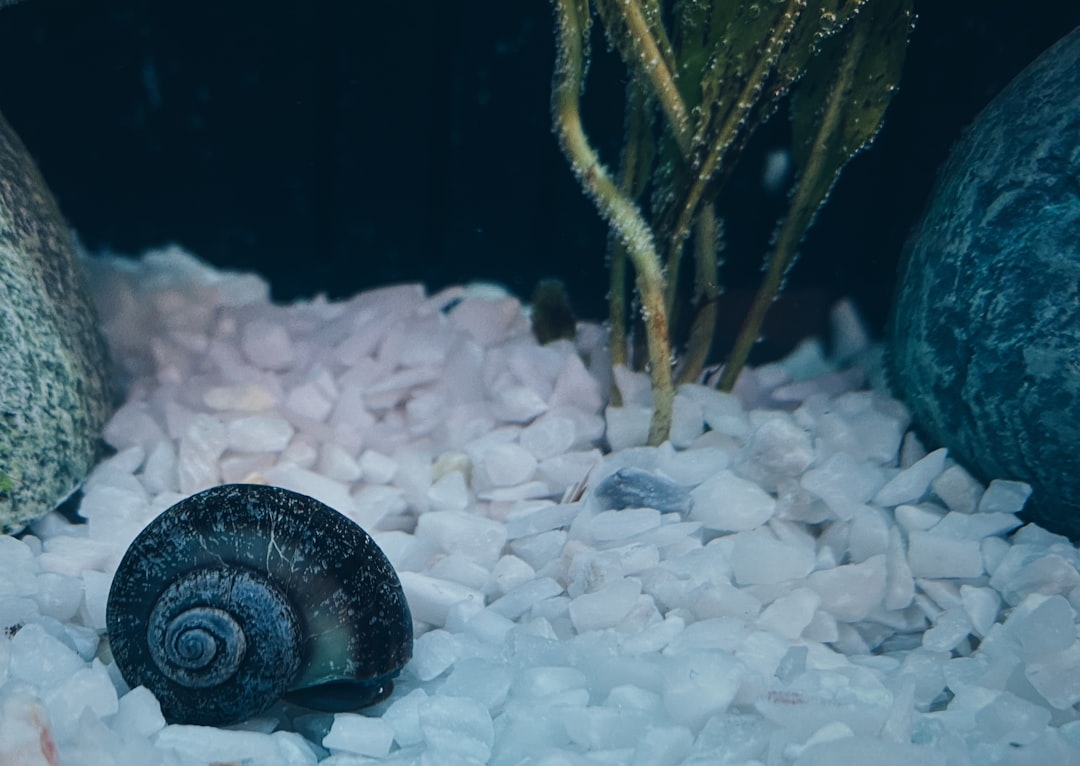
The snails sold as deliberate purchases in any aquatics shop earn their keep daily. Nerite snails (Neritina spp.) graze diatom and green spot algae off glass and hardscape without breeding in freshwater. Mystery snails (Pomacea bridgesii) consume detritus, leftover food and soft algae while staying within colour-bred limits. Ramshorns (Planorbella duryi) recycle dead plant material and shed calcium back into the water column. Malaysian trumpet snails burrow through substrate, preventing anaerobic pockets that release hydrogen sulphide.
The Evidence on Disease Transmission
No peer-reviewed study links any common aquarium snail species to ich (Ichthyophthirius multifiliis), columnaris, finrot, or fish tuberculosis. Ich is a ciliate protozoan with a direct fish-to-fish lifecycle that does not involve snails. Trematode parasites that do use snails as intermediates require specific wild snail species not found in captive systems and cannot complete their lifecycle in closed aquaria. The actual disease vector in most aquarium outbreaks is unquarantined fish, not snails.
What to Do Instead
Welcome the snails you bought deliberately. A pair of nerites in a 60 L tank will keep glass clear of green spot algae permanently and never breed. Three or four mystery snails in a 100 L community will polish leftover food before it rots. Ramshorns in moderate numbers (10-30 in a 200 L) cycle plant matter and feed assassin snails or puffers if kept. Stock the aquarium snail range intentionally and you gain a free clean-up crew.
When Populations Genuinely Explode
Bladder and pond snail booms always trace to overfeeding — the snails are eating uneaten food, not breeding magically out of nothing. Cut feeding by 30-50 per cent for two weeks and populations crash on their own. For a faster reset, drop a blanched courgette slice in overnight, lift it out at dawn coated in snails, and rehome them. Assassin snails (Clea helena) consume soft-shell snails over weeks rather than chemical treatments that damage plants and shrimp.
Edge Cases Worth Naming
Apple snails (Pomacea canaliculata) and channelled apple snails are invasive species banned for import in many jurisdictions because they devastate rice paddies — those are different from the smaller mystery snail. Wild-caught Sulawesi rabbit snails are sensitive and do not belong in tap-water community tanks. And copper-sensitive invertebrates means any snail-killing chemical is a non-starter in any tank holding shrimp from the aquarium shrimp range.
Singapore Angle
Local LFS at C328 and Iwarna sell nerites at SGD 2-4 each and mystery snails at SGD 3-6 — cheap insurance for any planted tank. Pair them with a steady feeding schedule and a good filter and the snails work in your favour rather than against you.
Related Reading



