
Mystery Snail Care Guide: Colours, Care and Breeding
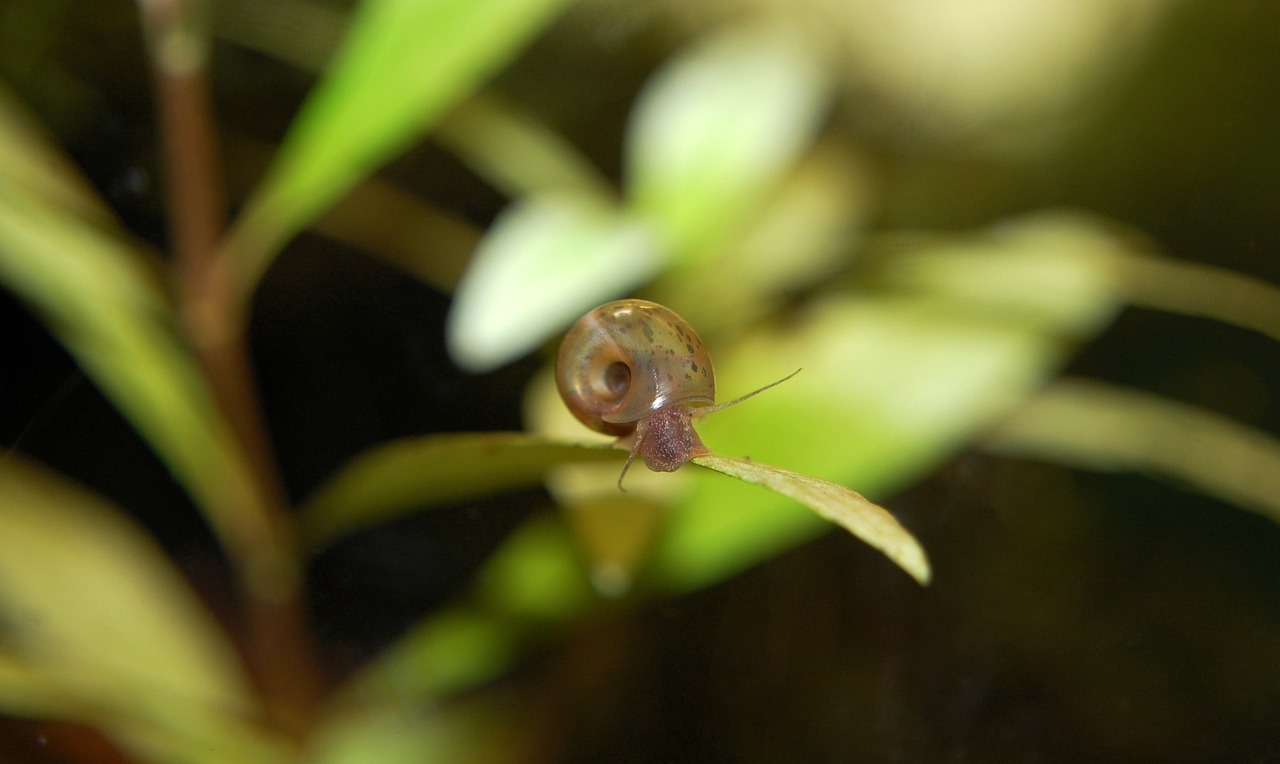
Mystery snails (Pomacea bridgesii) are among the most popular freshwater snails in the aquarium hobby, and for good reason. With their striking colour varieties, peaceful temperament and algae-eating habits, they make a brilliant addition to planted tanks and community aquariums alike. If you are keeping a tank in Singapore, you will be pleased to know that mystery snails do remarkably well in our warm, slightly alkaline tap water. This guide covers everything you need to know about mystery snail care, from shell health to breeding those distinctive above-water egg clutches. This guide sits inside our broader Tropical Fish Species Master Index reference.
Colour Varieties
One of the biggest draws of mystery snails is the wonderful range of colour morphs available. Selective breeding over the years has produced a palette that can complement any aquascape. Here are the most popular varieties you will find in Singapore fish shops:
- Gold/Yellow: The classic and most widely available variety. A bright golden-yellow shell with a cream to white body. Looks stunning against dark substrates and green plants.
- Blue: A dark, blue-grey shell paired with a dark blue-grey body. One of the more sought-after morphs, particularly striking in well-lit planted tanks.
- Purple/Magenta: A deep purple shell with a darker body. Under certain lighting, these snails display a rich, almost iridescent sheen.
- Ivory/White: A white to very pale cream shell with a white body. These lack the darker pigmentation found in other morphs and look almost ghostly in a tank.
- Jade: An olive-green shell with a dark body. Less common in local shops but occasionally available from breeders.
- Wild Type: Brown to dark olive shell with dark striping and a dark body. This is the natural colouration found in the wild.
When choosing mystery snails, look for specimens with smooth, intact shells and active behaviour. Avoid any with deep pitting, cracks or eroded shell tips, as these can indicate chronic calcium deficiency or poor water conditions in the seller’s tank.
Shell Anatomy and Health
Understanding shell anatomy helps you assess your snail’s health at a glance. A mystery snail’s shell is a coiled structure that grows from the aperture (opening) outward. The oldest part of the shell is the apex at the very tip, while new growth appears at the lip of the aperture.
Key parts to know:
- Apex: The tip of the spiral. Mild erosion here is common and usually cosmetic, as it is the oldest and thinnest part of the shell.
- Aperture: The opening where the snail’s body emerges. Healthy new growth here should be smooth and well-formed.
- Operculum: The trapdoor that seals the aperture when the snail retracts. A healthy operculum is firm and fits snugly. A deeply recessed or crumbly operculum is a warning sign.
- Sutures: The lines between each whorl of the spiral. Deep or cracked sutures can indicate growth problems.
Healthy shell growth produces smooth, evenly coloured new shell material at the aperture’s edge. Thin, pale or ridged new growth typically signals insufficient calcium or unstable water parameters.
Water Parameters
Mystery snails are reasonably adaptable, but they do best within a specific range. Singapore’s PUB tap water, which tends to be slightly alkaline with moderate hardness, is actually quite suitable for these snails straight from the tap after dechlorination.
| Parameter | Ideal Range | Notes |
|---|---|---|
| Temperature | 22-28°C | Singapore ambient temperatures (28-32°C) are at the upper end; use a fan or chiller if the tank sits above 30°C consistently |
| pH | 7.0-8.0 | Alkaline conditions help maintain shell integrity; acidic water dissolves shells |
| GH (General Hardness) | 8-18 dGH | Higher hardness provides calcium and magnesium for shell building |
| KH (Carbonate Hardness) | 4-12 dKH | Buffers pH and prevents dangerous pH swings |
| Ammonia/Nitrite | 0 ppm | Snails are sensitive to ammonia and nitrite spikes |
| Nitrate | Below 40 ppm | Regular water changes keep nitrates in check |
The critical parameter for mystery snails is pH. Acidic water below 7.0 will gradually dissolve the calcium carbonate in their shells, leading to pitting, thinning and eventual shell failure. If your tank runs acidic due to driftwood or active substrate, mystery snails may not be the best choice unless you actively buffer the water.
Feeding and Diet
Mystery snails are omnivorous and have healthy appetites relative to their size. While they will graze on biofilm and soft algae growing on glass and surfaces, they should not be expected to survive on algae alone. A well-fed mystery snail is an active, healthy mystery snail.
Recommended foods include:
- Blanched vegetables: Zucchini, spinach, kale, cucumber and broccoli. Blanch briefly in boiling water to soften, then cool before adding to the tank. Remove uneaten portions after 24 hours.
- Algae wafers: A staple diet item. Choose wafers with calcium listed in the ingredients for added shell support.
- Sinking pellets: Quality sinking pellets designed for bottom feeders work well.
- Calcium-enriched foods: Cuttlebone (from bird supply shops), crushed coral or specialised snail foods with added calcium.
- Protein sources: Occasional blanched shrimp or fish food provides necessary protein, particularly important during breeding.
Feed once daily, offering only as much as the snail can consume within a few hours. Overfeeding leads to water quality issues, which harm the snail more than mild underfeeding would.
Calcium Requirements
Calcium is the single most important nutritional consideration for mystery snail care. Without adequate calcium, shells become thin, pitted and prone to cracking. In severe cases, the shell can develop holes that expose the snail’s soft body to infection.
Ways to supplement calcium in your tank:
- Cuttlebone: Break a piece of cuttlebone and float it in the tank or wedge it between decorations. It dissolves slowly, releasing calcium over time. Available cheaply at most pet shops in Singapore.
- Crushed coral: Add to your filter media or substrate to slowly raise GH and KH while providing calcium.
- Wonder shells: Commercial calcium blocks designed for aquarium use.
- Calcium-rich vegetables: Blanched kale and spinach provide dietary calcium.
- Liquid calcium supplements: Products like Seachem Equilibrium can boost GH.
Monitor your GH regularly with a test kit. If GH falls below 6 dGH, your snails are likely not getting enough calcium from the water column alone.
Suitable Tank Mates
Mystery snails are completely peaceful and cannot defend themselves, so choosing appropriate tank mates is essential.
Good tank mates:
- Tetras (neon, cardinal, ember, rummy nose)
- Rasboras (harlequin, chili, galaxy)
- Corydoras catfish
- Kuhli loaches
- Otocinclus catfish
- Cherry shrimp and Amano shrimp
- Guppies and endlers
- Peaceful gouramis (honey gourami, sparkling gourami)
Avoid:
- Cichlids (most will harass or eat snails)
- Loaches such as clown loaches and yoyo loaches (snail predators)
- Pufferfish (will systematically eat snails)
- Large or aggressive fish that may bite antennae
- Assassin snails (they prey on other snails)
A damaged antenna can regenerate over time, but repeated harassment stresses the snail and shortens its lifespan.
Breeding Mystery Snails
Mystery snails have a unique breeding behaviour among aquarium snails: they lay their eggs above the waterline. If you have ever noticed a pink, white or peach-coloured cluster of eggs stuck to your tank lid or above the water surface, you have witnessed mystery snail breeding firsthand.
Sexing
Mystery snails are not hermaphrodites; they have separate sexes. Sexing them is possible by observing mating behaviour (the male mounts the female) or by carefully examining the area under the shell near the aperture while the snail is active. Males have a penile sheath visible on the right side. However, the easiest approach is simply to keep a group of four to six and let nature take its course.
The Egg Clutch
Females climb above the waterline, often at night, and deposit a clutch of 50-200 eggs in a solid mass. The clutch starts soft and pink or white, then hardens over 24-48 hours. In Singapore’s humid climate, the ambient moisture is usually sufficient to keep clutches hydrated without intervention.
Incubation
Eggs typically hatch in two to four weeks, depending on temperature. In Singapore’s warmth, expect the shorter end of that range. Keep the clutch moist but not submerged. If the clutch is on the underside of a glass lid, condensation usually provides enough moisture. Baby snails drop into the water upon hatching and are immediately self-sufficient, grazing on biofilm and microorganisms.
If you do not want breeding, simply remove egg clutches as soon as you spot them. Unlike pest snails such as bladder snails or Malaysian trumpet snails, mystery snails will not overrun your tank because their above-water egg clutches are easy to control.
Lifespan and Common Health Issues
Under good conditions, mystery snails live approximately one to two years. Their metabolic rate increases at higher temperatures, so snails kept at the upper end of their range (as is common in Singapore’s climate) may have slightly shorter lifespans than those kept in cooler water.
Common Health Issues
- Shell erosion and pitting: Caused by low calcium, acidic water or both. Address by supplementing calcium and maintaining pH above 7.0.
- Deep retraction: A snail that stays retracted inside its shell for extended periods may be stressed by poor water quality, aggressive tank mates or illness. Test your water parameters immediately.
- Parasites: Wild-caught snails may carry parasites. Quarantine new snails for two to four weeks before adding them to your main tank.
- Fallen snail syndrome: Mystery snails sometimes fall from the glass and land upside down. While they can usually right themselves, they may struggle in tanks with very smooth substrates. Check regularly and assist if needed, as prolonged inversion can lead to drowning since they need to access surface air.
- Protein film and surface access: Mystery snails have a siphon they extend to the surface to breathe air. Ensure there is a gap between the water surface and the lid, and that heavy protein film is not blocking air exchange.
If you notice a foul smell from a retracted snail, it has unfortunately died. Remove it immediately, as a decomposing snail can cause a dangerous ammonia spike in a small tank.
Mystery snails are a rewarding and low-maintenance addition to any tropical aquarium. Their fascinating behaviours, from siphon breathing to above-water egg laying, make them endlessly interesting to observe. If you are setting up a new planted tank or looking for a clean-up crew member that doubles as a colourful centrepiece, the mystery snail deserves serious consideration.
Need help setting up the perfect tank for mystery snails and other peaceful inhabitants? Get in touch with Gensou for expert advice on custom aquarium design and ongoing aquarium maintenance in Singapore.
Frequently Asked Questions
Do mystery snails eat live aquarium plants?
Mystery snails (Pomacea bridgesii) are generally plant-safe. Unlike their close relative the apple snail (Pomacea canaliculata), mystery snails prefer biofilm, algae and decaying plant matter over healthy live plants. They may occasionally rasp at very soft or damaged leaves, but a well-fed mystery snail will leave your plants alone.
How many mystery snails can I keep in my tank?
A reasonable guideline is one mystery snail per 15-20 litres of water. They produce a fair amount of waste relative to their size, so overstocking leads to water quality problems. In a standard 60-litre planted tank, two to three mystery snails is a comfortable number.
Why is my mystery snail floating at the surface?
Occasional floating is normal and not usually a cause for concern. Mystery snails can trap air in their shells deliberately to float to a new location. However, if a snail floats for more than a day and is not moving, gently smell it to check if it is alive. A dead snail produces a very strong, unmistakable odour. Persistent unwanted floating can sometimes be caused by trapped air, which the snail will eventually expel on its own.
Can mystery snails survive in Singapore’s tap water without a heater?
Yes. Singapore’s ambient temperature typically keeps aquarium water between 28-31°C, which is within the tolerable range for mystery snails. In fact, you are more likely to need a cooling fan or chiller during especially hot months than a heater. Their main requirement from your water is adequate hardness and a pH above 7.0, both of which PUB tap water generally provides after dechlorination.
Related Reading
- Blue Mystery Snail Care Guide: Sky-Blue Shell and Gentle Nature
- Ivory Mystery Snail Care Guide: Cream Shell, Gentle Grazer
- Mystery Snail Colour Varieties: Gold, Blue, Magenta and Ivory
- Nerite Snail vs Mystery Snail: Algae Eating, Size and Breeding
- How to Breed Assassin Snails: Slow but Steady Reproduction



