
Aquarium Therapy Mental Health Singapore Guide: Stress Reduction
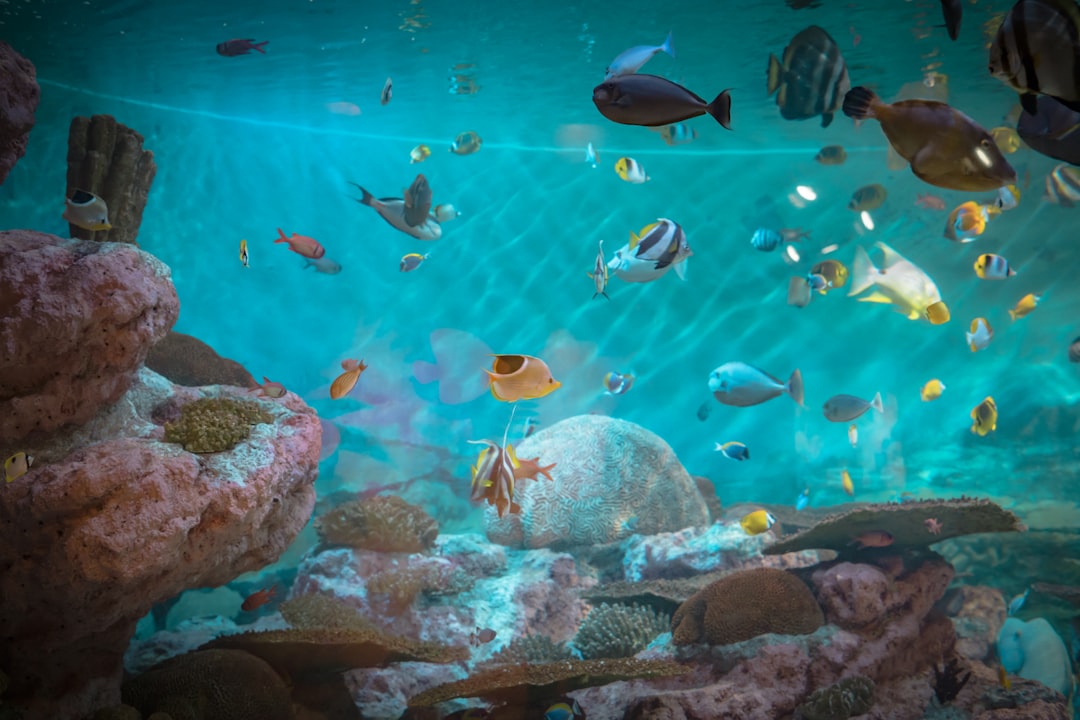
Watching fish has been studied as a stress-reduction technique since the 1980s, with measurable physiological effects that hold up under repeat experimentation. Aquarium therapy mental health singapore applications draw on the Wells and Watson literature, the Lewis and Wells 2020 lockdown study showing reduced anxiety scores, and a growing eldercare evidence base — but the practice is supplemental, not a replacement for professional therapy. This guide from Gensou Aquascaping at 5 Everton Park reviews what the research actually says, how to integrate a therapeutic tank into HDB or condo living, and the Singapore healthcare context within which it sits.
What the Research Actually Shows
Wells’s 2005 study at Plymouth recorded a 4-12 mmHg systolic blood pressure drop and a 3-5 bpm heart rate reduction during 10-minute aquarium viewing sessions versus a control. A 2015 follow-up by Cracknell, White and Pahl at the National Marine Aquarium confirmed the effect at scale across 112 participants. Lewis and Wells’s 2020 paper during UK lockdown observed that home aquarium owners reported lower anxiety scores than non-owners. Effects are modest but consistent.
Mechanisms Behind the Effect
Three plausible mechanisms appear in the literature. Soft fascination — Kaplan’s attention-restoration theory — proposes that gentle natural stimuli replenish directed-attention reserves. Visual rhythm of swimming fish entrains breathing toward slower patterns. Thermal and acoustic cues from a quiet tank reduce sympathetic arousal. None of these prove causation alone; together they probably account for the observed effect.
HDB and Condo Integration
Singapore housing constraints shape practical setup. A 60-litre nano fits a study desk in a four-room HDB without weight concerns. A 200-litre tank needs a load-bearing wall and a properly engineered cabinet — the aquarium floor load Singapore condo BCA guide covers the engineering side. Place the tank where you spend twenty minutes daily — not the corridor. Living-room couch sightline is the most-used position for therapeutic effect.
Setup Choices That Maximise the Calming Effect
Densely planted, lightly stocked, gently filtered tanks consistently rate highest on participant calm scores. Empty bare-glass goldfish bowls perform poorly. Aim for a planted layout with twenty-plus stems, soft warm-white LED lighting on a sunset cycle, and a quiet sponge or hang-on filter. The aquatic plants range includes the easy-care species that suit this brief — Anubias, Java fern, Cryptocoryne, Bucephalandra.
Species Choices for Therapeutic Tanks
Schooling small fish outperform large solitary species for the calming effect because the visual rhythm matters more than spectacle. Ember tetras, harlequin rasboras, chili rasboras, glowlight tetras and pygmy corydoras all suit the brief. Avoid aggressive cichlids and predator species that increase rather than decrease arousal. Stock at half the maximum recommended density to prioritise calm over visual richness.
Daily Practice and Time Allocation
Research effect sizes were measured over 10 to 20-minute viewing sessions. A practical routine: ten minutes morning coffee in front of the tank, ten minutes evening unwind. Phones away. No television in the same sightline. The simplicity is the point. Bookend the day with the tank and the reported subjective benefit accumulates over weeks. Fewer than fifteen minutes daily produces less consistent effect.
The Supplemental Caveat
An aquarium is not therapy. Singapore’s MOH guidelines on mental health frame interventions in tiers — primary care, IMH community services, specialist psychiatric care. A tank sits in the same category as exercise, mindfulness apps and journaling: a self-care tool that supports professional treatment, never replaces it. If symptoms warrant clinical attention, see a GP or contact the Samaritans of Singapore on 1767. Treat the tank as one component of a wider plan.
Singapore Healthcare Context
IMH operates community wellness clinics across the island, AWWA runs eldercare and disability mental health services, and most polyclinics offer mental wellbeing screening. Aquariums fit naturally into the recovery and maintenance end of the care continuum — community-care homes, day centres, dementia day-care facilities. Several IMH wards include therapeutic tanks in patient lounges. The model is not novel in Singapore; it is simply underused at the household level.
Cost and Maintenance Reality
A therapeutic 60-litre setup costs SGD 250-400 to build and SGD 15-25 monthly to run including electricity, food and water-change basics. Time commitment: twenty minutes weekly maintenance plus the daily viewing. That ratio of cost-to-benefit compares favourably with many wellness purchases. The hobby continues to give for years — most well-built planted tanks run reliably for a decade or more with periodic equipment refresh.
Related Reading



