
Aquarium Dementia Elderly Care Singapore Guide: Care Home Picks
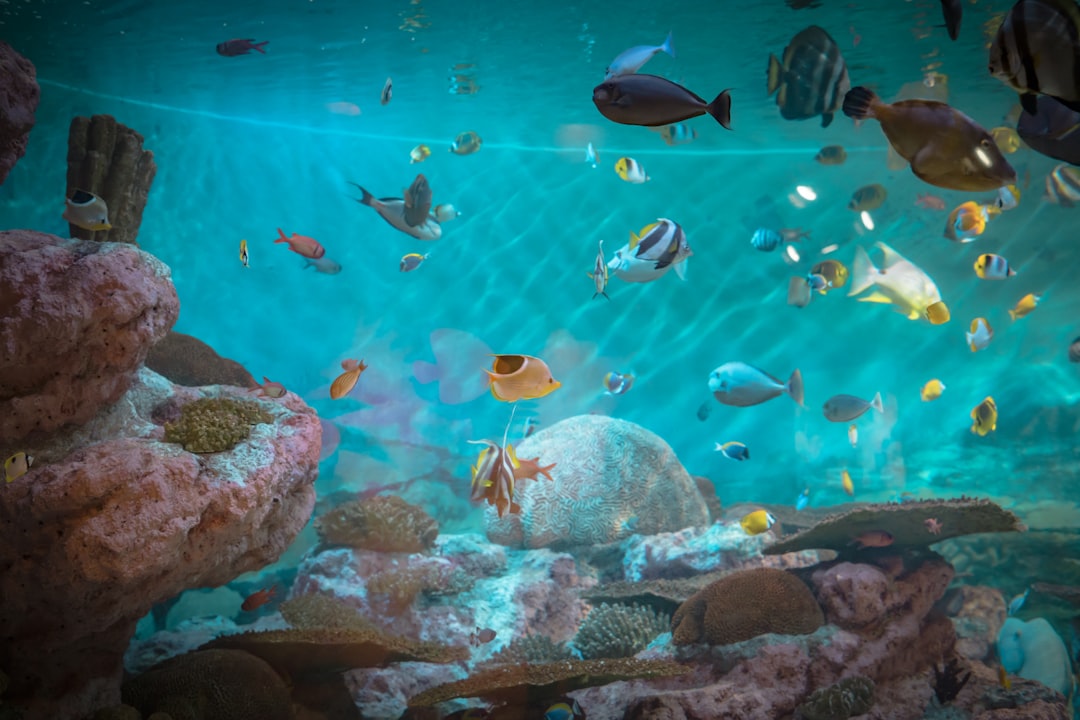
Aquariums in dementia and eldercare settings have a research history going back to the early 1990s, when Edward Edinger and Nancy Edwards documented improved nutritional intake and reduced behavioural disturbance in nursing-home residents exposed to communal-area tanks. Aquarium dementia elderly care singapore applications draw on this body of work and translate it to local IMH care wards, NTUC Health day centres, and Vanguard Healthcare nursing homes. This guide from Gensou Aquascaping at 5 Everton Park covers care-home appropriate setups, fish choices for visual recognition, and the standard caveat that aquariums supplement rather than replace clinical dementia care.
The Edwards Research Base
Nancy Edwards and Alan Beck’s published studies on Alzheimer’s special-care units recorded an average 17 per cent increase in food intake and reduced agitation incidents during the periods immediately following meal-time aquarium viewing. Replications at multiple US and UK facilities found similar though smaller effects. The mechanisms are debated — possibly distraction from agitation triggers, possibly genuine appetite stimulation through pleasant sensory input.
Communal-Area Placement
Place the tank where residents naturally congregate — dining rooms, day-care lounges, near therapy spaces. Wall placement at standing-eye and seated-eye height matters; many existing tanks sit too low for wheelchair users. A 200 to 400-litre display tank reads as architectural rather than novelty. Run cables in concealed conduit. The aquarium tanks range covers display sizes suitable for institutional use.
Fish Choices for Memory and Recognition
Choose visually distinctive species that residents can identify. Goldfish — rosy-cheek fantail, ranchu, oranda — are immediately recognisable to people of all ages and cultures. Koi-style colour patterns work in larger temperate tanks. For tropical setups, large gold gourami, pearl gourami, and rainbow shark patterns hold attention. Avoid tiny schooling fish that blur visually for elderly viewers — large, distinct, slow movers work better.
Setup Considerations for Care Homes
The tank must be staff-friendly to maintain. A sump system with auto top-off, scheduled feeders and a maintenance plan from a vendor like Gensou removes operational burden from care staff. Sealed lids prevent residents reaching into the water. Locked cabinet doors stop curious hands accessing electrical equipment. The filtration and aeration range includes silent low-maintenance options.
Quiet Operation
Eldercare residents are often hearing-aid users. Loud filter hum interferes with conversation and watching the tank. Choose ultra-quiet DC return pumps and sponge-baffled overflows. Avoid air-driven systems with rattly diaphragms. Background ambient noise from a tank should sit at or below 35 dB at one metre — barely audible against typical day-room conversation.
Lighting for Visual Comfort
Older eyes have reduced contrast sensitivity and increased glare sensitivity. Use a warm 5500-6000K LED on a programmable curve that ramps gently rather than switching on harshly. Ensure the tank front does not reflect direct ceiling lights — glare obscures the contents. A subtle bias-light behind the tank improves contrast for viewers with cataracts. Run lights from 8 am to 6 pm to align with day-room programming.
Singapore Care Home Context
Vanguard Healthcare, St Luke’s ElderCare, Lion Befrienders, NTUC Health and AWWA all operate dementia day-care services across Singapore. Aquariums appear in several flagship facilities — typically large display tanks in main lounges or therapy gardens. Smaller residential homes may host nano tanks suited to individual rooms. Discuss installation with facility management early; weight, electrical and IP requirements all need clearance.
Family Visit Engagement
The tank doubles as a conversation starter for family visits to a parent or grandparent with advancing dementia. Naming fish, recalling colours, watching feeding — all are gentle shared activities that reduce the awkwardness many families feel during late-stage visits. The fish do not require the visitor to remember complex facts; the present moment is sufficient. Several care homes report that aquarium areas are the most-used family meeting spots.
The Supplemental Caveat
Aquariums are not dementia treatment. They support behaviour management, mood and feeding alongside the multidisciplinary medical, occupational therapy and social work programmes that comprise actual dementia care. The Agency for Integrated Care and the Dementia Singapore network coordinate clinical pathways. The tank is one comfortable element in a much larger care plan, not a standalone intervention. Recognise it as such when planning for a loved one or a facility.
Related Reading



