
Aquarium Autism Classroom School Singapore Guide: SPED Setup
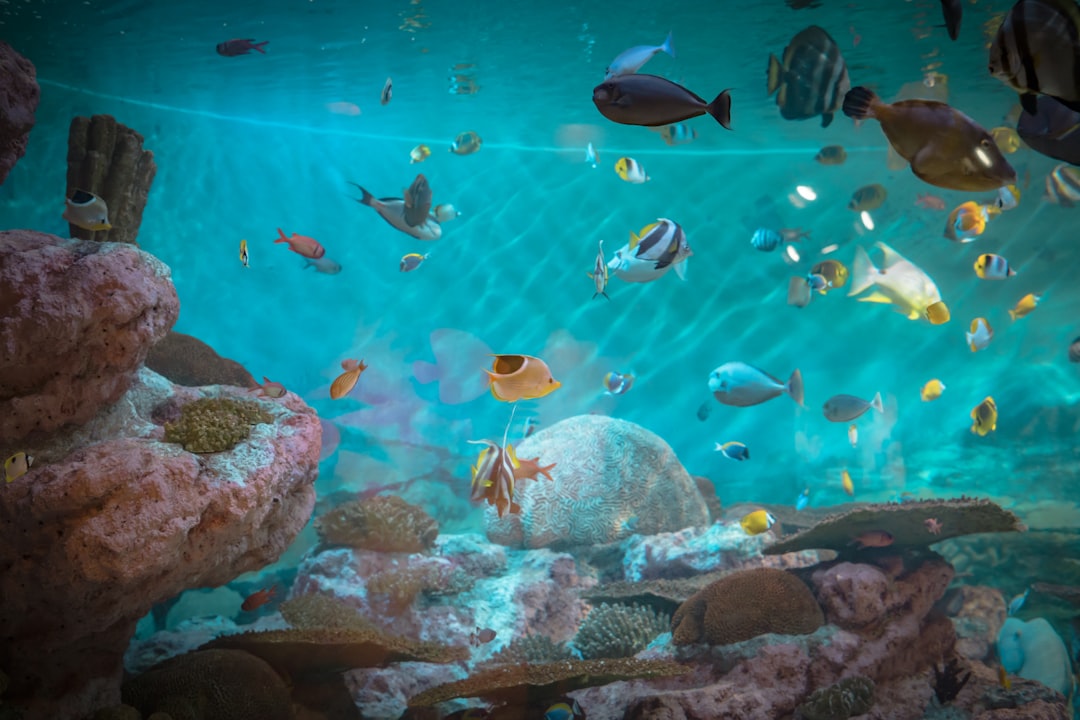
Special education classrooms increasingly include sensory-supportive features as part of the daily learning environment, and a low-bioload aquarium fits the brief without demanding complex daily care. Aquarium autism classroom singapore applications draw on Pathlight School and AWWA Soka classroom integration models, with low-stocking, robust species and a teacher-led care routine that involves pupils where appropriate. This guide from Gensou Aquascaping at 5 Everton Park covers the SPED-school appropriate setup, species choices, weekend survival planning and the standard caveat that aquariums supplement rather than replace specialist support.
The SPED Classroom Sensory Brief
Pathlight School, AWWA Soka and similar SPED settings prioritise low-arousal sensory environments alongside structured learning. An aquarium fits as one of several “calm corner” elements — gentle visual movement, soft hum, predictable rhythms, optional engagement. The tank should never be the dominant feature in the room, just as it should not compete with primary teaching. Place it in the calm corner, not at the front whiteboard.
Tank Size and Classroom Footprint
Aim for 30-60 litres on a low cupboard or sturdy bench. Anything larger becomes a maintenance burden and a weight risk. A rimless cube of 30 by 30 by 30 cm is ideal — light enough to move if needed, big enough for a small school of fish. Total filled weight stays under 65 kg. The aquarium tanks range covers nano-class options suitable for institutional placement.
Low-Bioload Species Choices
Choose hardy, low-waste species that survive a long weekend without daily intervention. Endler livebearers, ricefish, white cloud minnows and small rasboras suit the brief. Avoid messy goldfish, demanding cichlids and any species needing precise parameters. Stock six to eight individuals — well below maximum density — so the system tolerates missed feeding days. Skip fast or aggressive fish that could spike sensory arousal in sensitive pupils.
Quiet Equipment Selection
Many autistic pupils are auditorily sensitive. A small sponge filter on a piezoelectric air pump, or a quiet hang-on with a baffled outflow, keeps total noise under 30 dB. Avoid bubbly air stones, rattling diaphragm pumps and noisy canisters. Mount any pump on a foam pad. The filtration and aeration range stocks low-noise units suited to classroom use.
Lighting on a School-Day Timer
Run a six-hour LED cycle from 9 am to 3 pm — the school day. Use a programmable unit that ramps gently rather than switching on harshly. Soft warm-white at 5500K reads natural and supports plant growth without straining sensitive eyes. Avoid colour-changing programmes. The light cycle becomes a daily clock that some pupils find anchoring. Cabinet-locked timer plug from any local hardware store costs SGD 10-15.
Teacher-Led Care with Pupil Involvement
The teacher remains the primary carer. Pupils contribute where appropriate — feeding routine, observation logs, gentle parameter testing. The activity becomes part of structured social skills, vocational training and routine-building work that SPED programmes already prioritise. Document the care routine in a printed weekly schedule visible at the tank, so substitute teachers can pick it up without disruption.
Visual Schedule Integration
SPED classrooms commonly use visual schedules. Add the tank-care steps to the schedule as picture cards: feed (Mon-Fri morning), check (daily), test parameters (Wednesday), water change (Friday afternoon). Pupils who follow the schedule for other tasks pick up tank care naturally. The visual structure removes ambiguity — the same support that helps with toileting, mealtime and transitions.
Weekend and Holiday Survival
Plan from day one for unattended periods. Lightly stocked tanks survive a weekend without feeding. For school holidays of two-plus weeks, arrange a parent volunteer or a contracted maintenance call from a local aquarium service. Avoid feeder blocks — they pollute the column. The Walstad-style low-tech setup tolerates extended absence better than high-bioload systems.
Singapore Resources and Caveat
The Autism Resource Centre Singapore, Pathlight School, AWWA Soka and SPED schools across the island have their own established sensory environment policies. Discuss any new tank installation with the school’s special needs lead before commissioning. The aquarium is not autism therapy — it is one supportive element in a classroom designed by trained educators. The MOE special education curriculum and the individual education plans for each pupil drive the actual learning programme.
Related Reading



