
Amano Shrimp FAQ: Care Algae and Breeding Difficulty
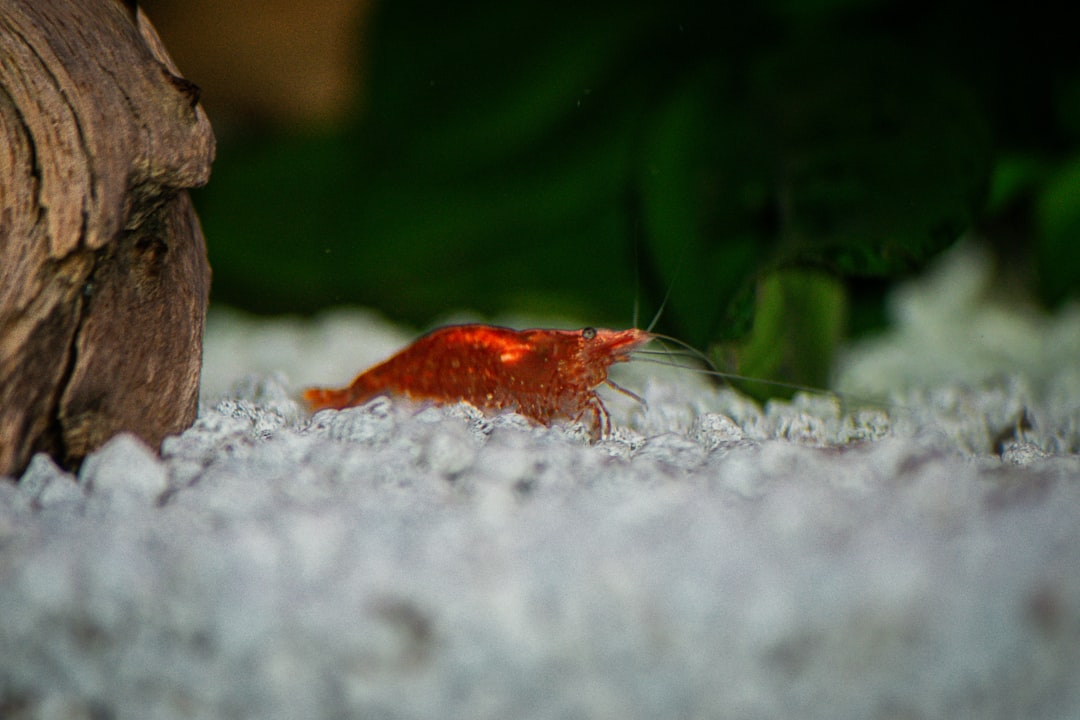
Amano shrimp earn their keep faster than any other tank cleaner — a single adult clears more hair algae in a week than ten cherry shrimp. The amano shrimp faq below answers what aquarists ask most after the first introduction batch goes into the planted tank. This amano shrimp faq reflects two decades of keeper conversations at Gensou Aquascaping in 5 Everton Park. Each question is a standalone reference; this guide answers the ten questions Singapore aquarists ask most about amano shrimp.
What Are Amano Shrimp?
Amano shrimp (Caridina multidentata) are larger Caridina shrimp from Japan and Taiwan, growing to 5cm. They were popularised by the late Takashi Amano as the algae-cleaning crew for nature aquarium setups. Translucent grey-green body with broken longitudinal lines distinguishes them from cherry shrimp. They are the workhorses of the planted tank cleanup crew.
How Many Amano Shrimp Per Tank?
One amano per ten litres handles algae cleanup in a moderately stocked planted tank. Heavy algae situations benefit from one per five litres for the first month, then maintenance density of one per fifteen litres. A 60-litre tank with a hair algae problem responds well to ten amanos. Reduce density once algae clears or shrimp will graze healthy plants.
Do Amano Shrimp Eat All Algae?
Amanos eat hair algae, soft green algae and most green spot algae. They ignore black beard algae, blue-green algae (cyanobacteria) and most diatoms. The reputation rests primarily on hair-algae performance — there is genuinely no better hair-algae eater in freshwater. The water care range handles algae types amanos cannot touch.
Can Amano Shrimp Breed in Freshwater?
No. Amano larvae require brackish water (specific gravity 1.018-1.024) for the first 30-40 days before transitioning back to freshwater as juveniles. Female amanos drop free-swimming larvae that die within 48 hours in pure freshwater. Almost no Singapore home keepers successfully breed amanos — all commercial stock comes from dedicated brackish-water breeding facilities.
What Water Parameters Do Amanos Want?
Soft to moderately hard water at GH 4-8, KH 2-5, pH 6.5-7.5, TDS 150-250, temperature 22-26°C. They tolerate a wider range than crystal red shrimp but a narrower range than cherries. Singapore PUB tap water needs light remineralisation to reach the lower bound. Stable parameters matter more than perfect ones.
Are Amano Shrimp Compatible With Fish?
Amanos at adult size (4-5cm) are too large for most community fish to eat, making them safer tank mates than cherry shrimp. Avoid keeping with cichlids over 10cm, larger gouramis, and pufferfish. Compatible: tetras, rasboras, corydoras, otocinclus, peaceful small gouramis, dwarf cichlids in larger tanks.
How Long Do Amano Shrimp Live?
Two to three years in well-kept tanks, occasionally up to five. Adult amanos at purchase are typically twelve to eighteen months old, so expect another year-plus from a healthy specimen. They tolerate Singapore ambient temperatures well, though cooler 23-25°C extends lifespan noticeably.
Why Are My Amanos Hiding All Day?
Newly introduced amanos hide for the first week as they explore. Persistent hiding suggests aggressive tank mates, sudden parameter shift, or lighting too bright with insufficient cover. Add hardscape and plant cover, dim lights for a fortnight, and check parameters. Healthy adapted amanos forage openly during photoperiod.
What Should I Feed Amano Shrimp?
Mainly algae and biofilm. Supplement once or twice weekly with shrimp pellets, blanched zucchini or spinach, and the occasional sinking algae wafer. Skip high-protein fish food regularly given to amanos — they molt poorly on excess protein. The fish food range stocks Hikari and Borneowild lines suited to amanos.
Will Amano Shrimp Eat Cherry Shrimp?
Adult amanos occasionally pick off cherry shrimplets but rarely target adult cherries. The size difference and slow amano metabolism make predation uncommon. Keepers regularly maintain mixed cherry-and-amano colonies in 60-litre planted tanks. Newborn cherries may suffer some losses but the colony self-sustains.
Related Reading



