
Mystery Snail FAQ: Lifespan Eggs and Tank Mates
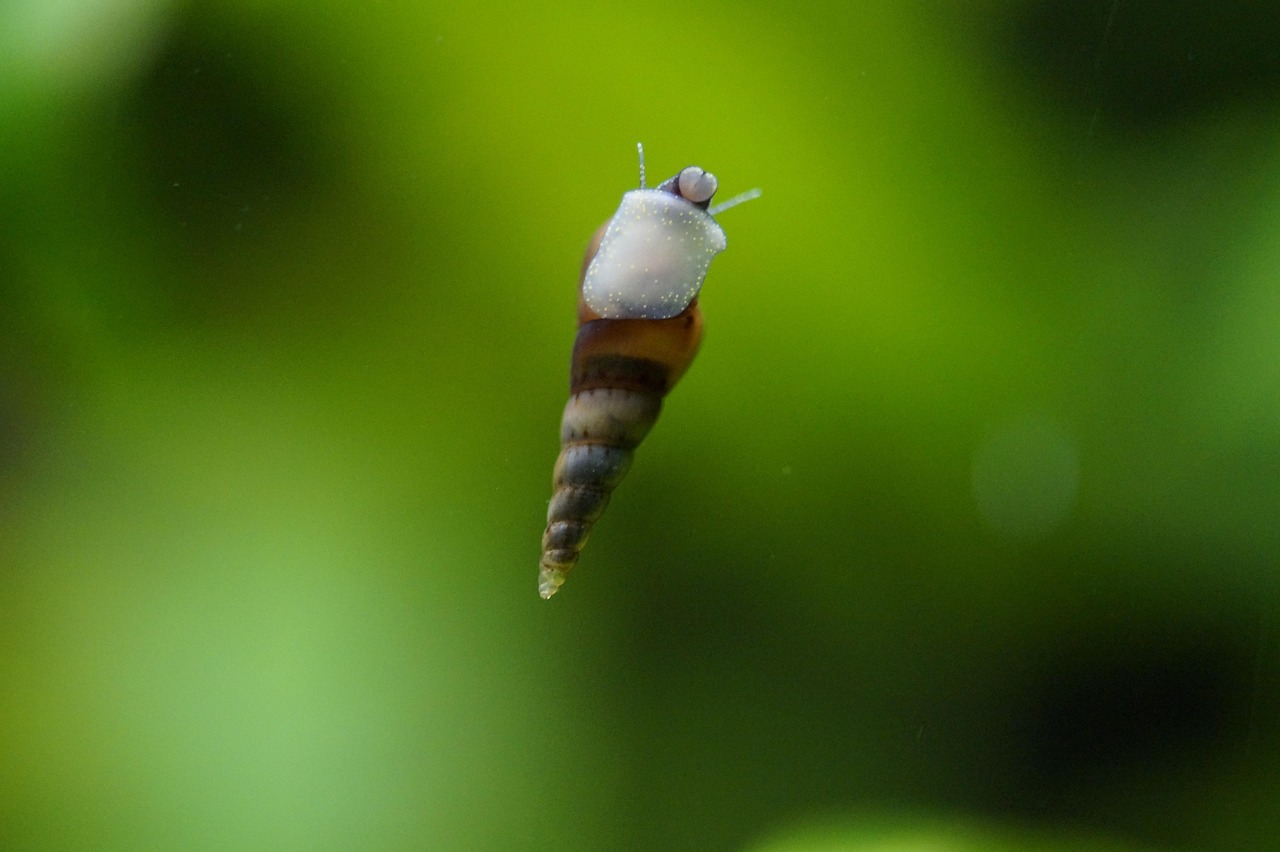
Mystery snails are the gentle giants of the freshwater snail world, with their colourful shells and surprisingly active personalities making them favourites in planted tanks. The mystery snail faq below answers the questions that come up after the first egg cluster appears above the waterline. This mystery snail faq reflects daily customer conversations at Gensou Aquascaping in 5 Everton Park. Each question stands alone; this guide answers the ten questions Singapore aquarists ask most about mystery snails.
What Are Mystery Snails?
Mystery snails (Pomacea bridgesii) are South American apple snails reaching 5-7cm shell diameter. Despite the apple-snail family, they are plant-safe — unlike their cousins Pomacea canaliculata which devour aquarium plants. Mystery snails come in gold, ivory, blue, magenta and chestnut colour morphs. They have lungs and a siphon, surfacing periodically to breathe atmospheric air.
How Long Do Mystery Snails Live?
One year is the realistic average, occasionally stretching to fourteen months in optimal conditions. They are short-lived compared to nerite snails. Adult mystery snails at purchase are typically four to eight months old, leaving four to six months of expected life. The brevity surprises keepers expecting longer-lived invertebrates.
Why Do Mystery Snails Lay Eggs Above the Water?
Female mystery snails lay pink or peach-coloured egg clutches on the glass above the waterline because the eggs need air contact to develop. A clutch contains 20-200 eggs and hatches after two to four weeks. Tanks with tight glass tops force the snail to lay underwater, which causes the eggs to fail. Leave a 5-10cm gap between water and lid.
Are Mystery Snail Eggs Fertile in Freshwater?
Yes — unlike nerite eggs which are sterile in freshwater. A mystery snail pair produces hundreds of fertile eggs monthly, leading to population explosion within months. To control numbers, scrape unwanted clutches into a tissue and dispose, or keep only one snail. Cooked clutches can be fed back to the tank as calcium supplement.
Do Mystery Snails Need Calcium Supplement?
Yes. Soft Singapore PUB tap water at GH 2-4 lacks the calcium needed for shell maintenance. Without supplementation, shells develop pitting, edge erosion, and eventually structural failure. Add cuttlebone, crushed coral in the filter, or use Salty Shrimp GH+ from the water care range. Aim for GH 6-10.
What Tank Mates Work With Mystery Snails?
Most peaceful community fish and shrimp coexist well. Avoid loaches, pufferfish, larger goldfish and assassin snails — all of which target mystery snail flesh through the operculum. Cichlids over 10cm sometimes harass snails. Tetras, rasboras, corydoras and bettas leave them alone.
What Should I Feed Mystery Snails?
Mystery snails are detritivores eating uneaten food, dead plant matter, biofilm and soft algae. They do not eat healthy plants. Supplement with blanched zucchini, spinach or cucumber once or twice weekly. Calcium-rich foods like cuttlebone and crushed shells help shell maintenance. Avoid copper-containing snail-toxic foods.
Why Is My Mystery Snail Floating?
Floating mystery snails are usually trapping air in the lung deliberately or accidentally. Brief floating is normal as they surface to breathe. Persistent floating beyond a day suggests stress, water quality issues, or impending death. Check parameters first — sustained floating in dying snails follows ammonia spikes and pH crashes.
How Do I Tell If a Mystery Snail Is Dead?
The smell is unmistakable — dead snails produce strong sulphurous odour within 24 hours. Also check whether the operculum (the trapdoor) hangs loose or has fallen out. A live snail keeps the operculum closed when retracted. Remove dead snails immediately to prevent ammonia spike from decomposition.
Are Mystery Snails Plant-Safe?
Yes — P. bridgesii is genuinely plant-safe and is the apple snail species sold for planted tanks. Avoid the lookalike giant apple snail (P. canaliculata), which is illegal to import in many jurisdictions and devours plants overnight. Reputable shops in Singapore stock only the plant-safe species; verify scientific name when buying.
Related Reading



