
Annual Killifish Peat Breeding Guide: Diapause and Wetting
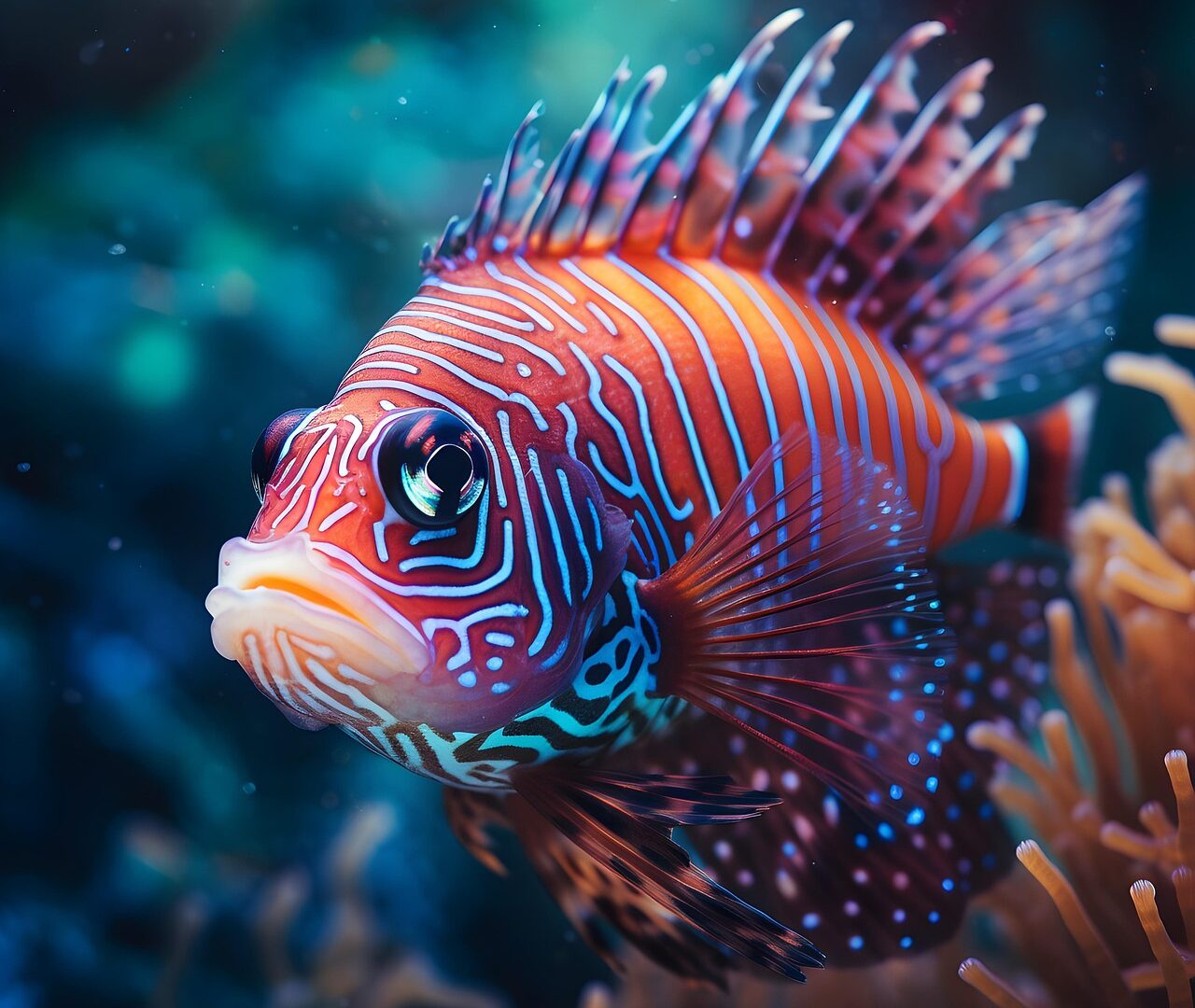
Annual killifish from the genera Nothobranchius, Austrolebias and Simpsonichthys complete their entire life cycle inside the monsoon pools of African and South American savannahs, their eggs surviving months of dry-season heat buried in peat. This annual killifish peat breeding guide covers the substrate choice, diapause management, storage timing and rewetting protocol that separate successful hatches from disappointing trays of dead embryos. The instructions below come from Gensou Aquascaping at 5 Everton Park, where the tropical climate actually mirrors the natural conditions of many annual species and gives Singapore keepers a quiet advantage over temperate breeders.
Species Selection for Beginners
Not every annual is suitable for a first project. Nothobranchius guentheri, N. rachovii and N. eggersi are the forgiving gateway species — short diapause, robust eggs, strong fry. Avoid South American genera like Austrolebias or Simpsonichthys until you have hatched two or three Nothobranchius batches successfully; their eggs are more sensitive and their diapause stages are less predictable.
The Spawning Tank
Set up a simple 20-litre bare-bottom tank with a small sponge filter, temperature at 24-26 °C (slightly cooler than typical Singapore ambient, so budget for a chiller or air-con room), and a dense cover of floating plants like Ceratopteris. Introduce a trio — one male, two females — already conditioned on live foods. Live brine shrimp, daphnia and chopped blackworms drive egg production in a way flakes never match.
Place a shallow plastic container — a Tupperware tub about 10 x 15 x 5 cm — half-filled with pre-boiled, squeezed-dry peat moss as the spawning substrate. The pair will dive into the peat to spawn.
Choosing and Preparing Peat
Use sphagnum peat moss without fertiliser additives. Garden centres in Singapore sell small bags of pure peat for $6-12; reject anything labelled “potting mix” or “enriched”. Boil the peat for 20 minutes to sterilise, cool, and squeeze out excess water until the peat is damp but not dripping. This texture — roughly the feel of a wrung-out dishcloth — is what holds eggs safely through diapause.
Coconut coir is sometimes suggested as a substitute but holds too much residual moisture and allows fungal growth during storage. Stick to peat.
Collecting and Storing the Peat
After 10-14 days, remove the spawning tub, drain the free water, and squeeze the peat gently until no more water drips out. Spread it on newspaper for an hour to reach the target “slightly damp” consistency — too wet and eggs ferment, too dry and they desiccate. Transfer the peat to a labelled zip-lock bag, marked with species, collection date and target wetting date.
Store in a cool, dark cupboard at 22-26 °C. Singapore ambient works if your storage room is air-conditioned overnight; otherwise the 32 °C daytime peak shortens egg viability. Many local breeders store in the bottom of a wine fridge at 22 °C.
Diapause Stages Explained
Annual killifish eggs pass through three diapause stages. Diapause I occurs pre-gastrulation, Diapause II mid-embryogenesis, and Diapause III just before hatching — each a reversible developmental pause triggered by environmental cues. Not every egg enters every stage; stochasticity is the rule. This explains why rewetted peat yields a mix of instant hatchers, delayed hatchers and non-hatchers in every batch.
Storage Duration by Species
Species-specific timings matter. Nothobranchius guentheri eggs mature in 8-12 weeks at 24 °C; N. rachovii needs 10-14 weeks; N. eggersi stretches to 12-16 weeks. South American species generally require 16-24 weeks. Refer to species-specific breeder notes, as provenance and parent conditioning affect timings by weeks in either direction.
Check the peat weekly — open the bag, sniff (healthy peat smells earthy, not sulphurous) and inspect for visible eggs against the dark substrate using a torch.
The Wetting Protocol
When ready to hatch, tip the peat into a shallow plastic container — a 2-litre tub is ideal — and pour cool, soft water over it to a depth of 3-4 cm. The water should be 18-22 °C, deliberately cooler than the storage temperature, to trigger hatching. PUB tap in Singapore is soft enough; skip the RO. Add a pinch of Paramecium culture or a few drops of infusoria to the water within an hour — hatchlings are miniscule and need microscopic first food immediately.
Hatching begins within minutes to hours. Fry will be visible swimming above the peat by hour two. Collect them with a pipette into a rearing tank.
Rearing the Fry
Transfer fry to a 10-20 litre rearing tank with the same water chemistry as the hatching tub and a gentle air-driven sponge filter. Feed microworms and newly hatched brine shrimp three times daily for the first two weeks. Growth is explosive — a N. guentheri fry can reach 15 mm in three weeks and become sexable by five weeks. By week eight, colours develop and you can begin the next spawning cycle.
Re-wetting Unhatched Peat
After the first wetting, not every egg hatches. Drain the peat, return to the zip-lock, and store again for 3-4 weeks before a second wetting. Many viable eggs carry over; some species yield three or four successful hatches from a single peat collection. Document each wetting in your breeding log.
Common Failure Modes
Fungal bloom on stored peat indicates excess moisture — discard and restart. No hatching after correct storage usually means the peat was too dry or the storage temperature fluctuated wildly. Fry that hatch then die within 48 hours typically lack first food; culture Paramecium or vinegar eels two weeks before the planned wetting to guarantee availability.
Scaling the Project
Once a species is dialled in, run a staggered peat collection schedule — a fresh tub every three weeks — so fry are always available for trading within the local killifish community. Annual killifish are rarely available in shops and almost always move through hobbyist networks, making a productive breeder a genuinely valued member of the scene. For related species, the care side is covered in our Blue Gularis and Golden Wonder Killifish guides.
Related Reading
- Annual Killifish Peat Spawning Guide
- How To Breed Aphyosemion Killifish
- Blue Gularis Killifish Care Guide
- Golden Wonder Killifish Care Guide
- Peat Moss Aquarium Softening Water Naturally



