
Selective Shrimp Line Breeding Project: Culling and Records
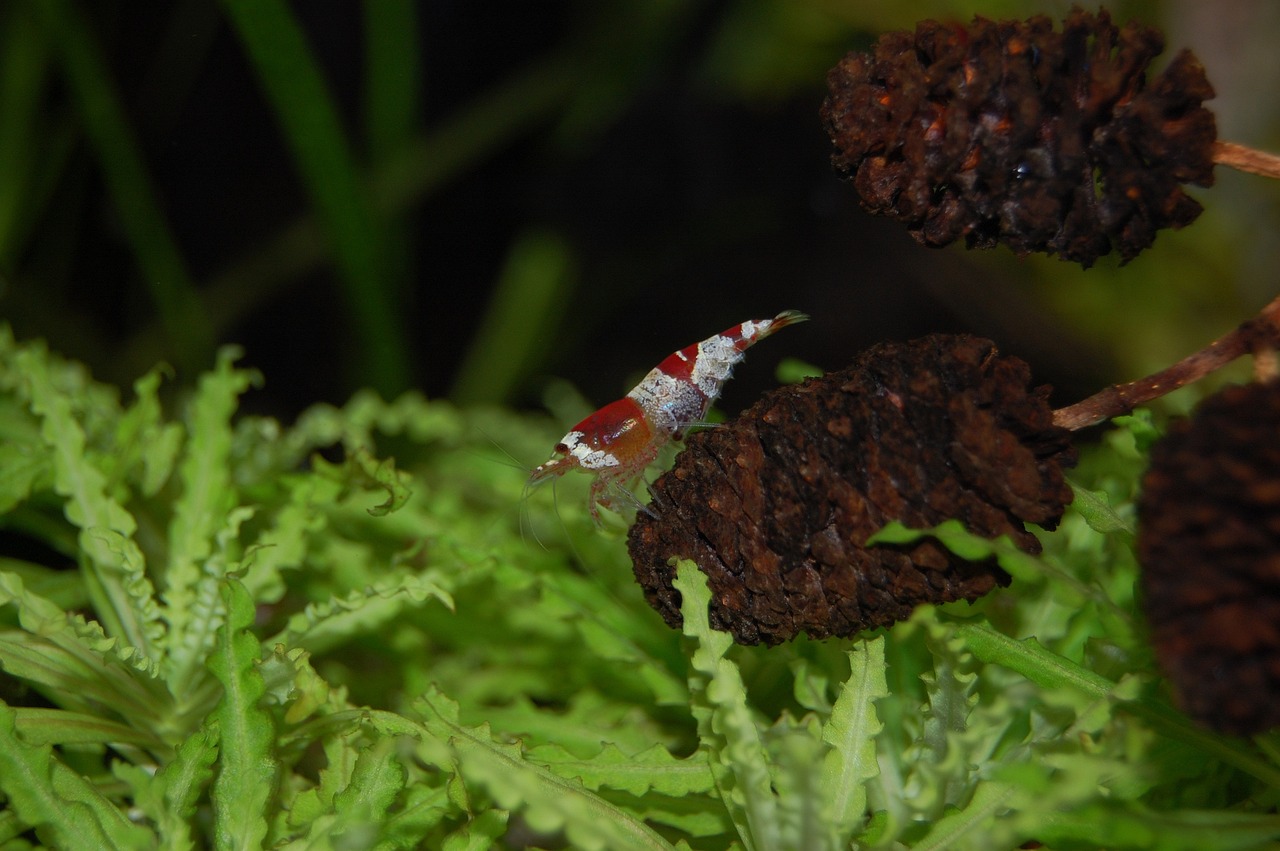
Producing a visibly better line of Caridina or Neocaridina is the work of years, not months, and most hobbyist projects stall because the culling logic and record-keeping never matured past “pick the pretty ones”. This selective shrimp line breeding project guide is written for the hobbyist ready to commit two or three racks and 18-24 months to a single goal — a deeper red, a cleaner white, a more stable genotype. Based on experience at Gensou Aquascaping, 5 Everton Park, it walks through colony setup, generation timelines, culling protocols and the unglamorous spreadsheet work that actually moves a line forward.
Define the Target Phenotype Narrowly
“Better red” is not a target. “Deep opaque red with no clear patches on legs and rostrum, mothers pass trait to 70 %+ of F1” is a target. The more specifically you describe the phenotype, the easier culling decisions become. Photograph three reference shrimp and pin them above the tank rack; every future culling session compares to those photos, not to your memory.
Pick one trait at a time. Attempting to fix colour intensity, pattern and body size simultaneously dilutes selection pressure and adds years to the project.
Start With a Large Founder Population
Begin with 40-80 shrimp of the closest existing quality you can source. A small founder group inbreeds fast, loses hybrid vigour and produces weak moults by generation four. Local shops around Serangoon North Avenue 1 and C328 Clementi occasionally stock graded Taiwan Bee and Crystal Red lines; importers on Carousell list specific grade tiers with photos. Expect $3-15 per shrimp for founder stock depending on grade.
Tank and Rack Design
Dedicate a minimum of three tanks: a main breeding colony, a grow-out tank for juveniles, and a cull tank for rejected individuals. A fourth tank as a backup in case of a parameter crash is strongly recommended. All tanks share the same water parameters — TDS 100-140, GH 4-6, KH 0-1, pH 5.8-6.4 for Caridina — via a shared RODI and remineraliser batch. Differences in parameters between tanks introduce noise into the selection process.
Label each tank on the glass with a paint marker: F0, F1, F2. Do not rely on memory once three or four generations overlap.
The Culling Decision
Culling in shrimp rarely means killing. It means moving the individual out of the breeding line. Every two to three weeks, examine the main colony under white light, photograph candidates against a grey card, and move sub-standard juveniles to the cull tank once they are sexable (around 6-8 weeks old). The cull tank shrimp can be given to friends, sold cheaply on Carousell, or used as algae cleanup in a community tank — they are not failures, just not breeders for this line.
Keep roughly 20-30 % of each generation. Harsher culling slows the project through population shortage; softer culling fails to move the line.
Record-Keeping Minimum
A single spreadsheet with four columns: date, generation, observation, action. Record every moult event in a mother, every hatch date, every culling session with approximate numbers. After six months, patterns emerge: “F2 mothers drop eggs 3 weeks after moult, hatch takes 28 days, brood size averages 25”. These baselines let you spot problems early in future generations.
Photograph the best 3-5 individuals from each generation against the same grey card at the same lighting. Over 18 months, the photo series itself proves whether the project is progressing.
Generation Timeline
Caridina reach sexual maturity at 3-4 months in stable conditions. Add a month for mating and a month for hatching, and you have one generation per five to six months. In 18 months, expect three generations of selection. Neocaridina run faster — 2-3 months to maturity, one generation per three or four months. Plan project duration accordingly.
Managing Inbreeding
By F3, inbreeding depression starts showing as smaller broods and weaker moults. Mitigate by introducing one or two high-quality unrelated males every second generation from a separate source. Track the introduction in your spreadsheet so the genetic refresh is visible in later analysis.
Water and Food Discipline
Selection pressure only works when environmental stress is not masking trait expression. Dose remineraliser by weight, not volume, using a 0.01 g scale. Feed a rotation of three products across the week (Shirakura, Mosura, Benibachi) to avoid nutritional bottlenecks that dull colour. Water change 10 % weekly with matched TDS, never larger, so the colony never experiences a parameter swing during an important selection phase.
Dealing With Setbacks
A bacterial infection, a heatwave-induced chiller failure, or a single escaped dragonfly larva can wipe out a generation. Keep at least 30-40 individuals of the current best generation in a backup tank at all times, maintained by a separate heater and filter. When (not if) a crash happens, you restart from the backup without losing the project’s history.
Sharing and Commercial Reality
Once your line breeds true — meaning 70 %+ of F1 express the target trait — you have something worth sharing. Trade breeders with other local hobbyists working on compatible lines, or offer limited sales to fund tank upkeep. A clean, documented line with photos and parameters fetches 3-5x the price of shop-grade shrimp once reputation is built.
When to Stop
Every selective project has a natural endpoint — usually when four or five generations of aggressive selection no longer visibly improve the line. At that point, switch to maintenance mode: larger colonies, gentler culling, occasional unrelated bloodline introductions. Pushing a saturated line harder produces weakness, not quality. Recognising the ceiling is the mark of an experienced breeder.
Related Reading



