
Sterbai Corydoras Complete Care Guide: Cory Catfish
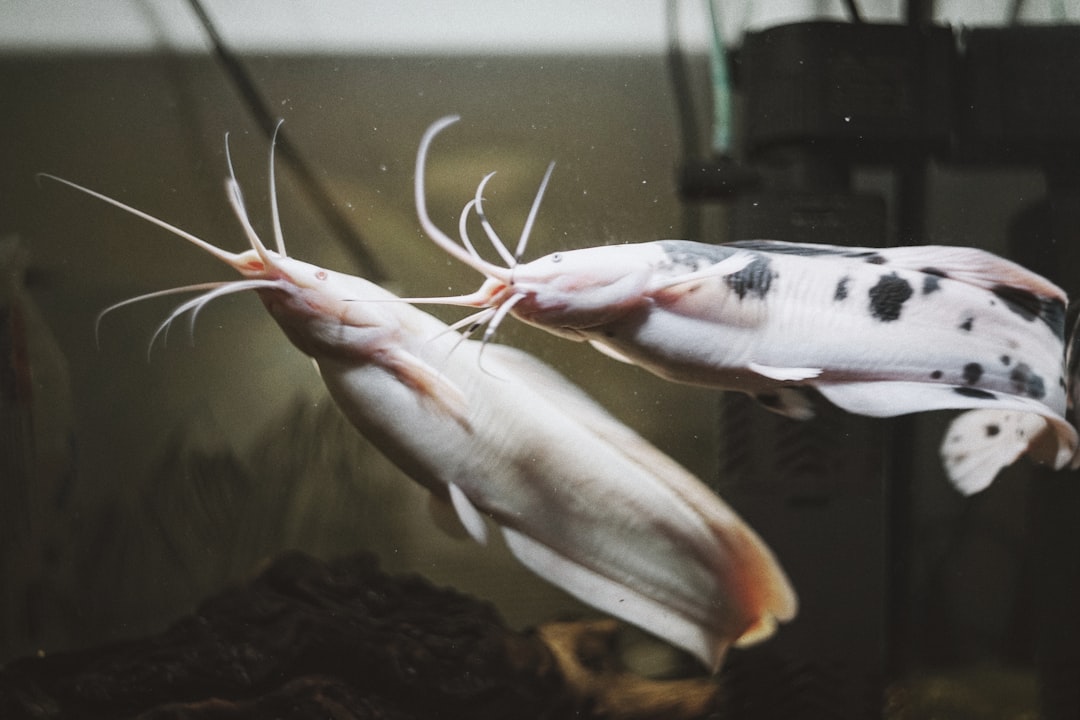
If any cory deserves the label “made for Singapore”, it is the sterbai. Unlike most Corydoras species that wilt past 26°C, Corydoras sterbai happily cruises a sand bed at 28-30°C — exactly the ambient range an uncooled HDB tank sits at year-round. This sterbai corydoras complete care guide from Gensou Aquascaping at 5 Everton Park walks through tank sizing, schooling numbers, water chemistry and sourcing, with honest notes on why this is the single best cory pick for local hobbyists. Browse the tropical fish catalogue before stocking because sterbai belong in groups of six or more. This guide sits inside our broader Tropical Fish Species Master Index reference.
Why Sterbai Suit Singapore
Sterbai cory catfish originate from the Guaporé river basin straddling Brazil and Bolivia, a warmwater system that runs consistently above 26°C. That heritage shows in their tolerance — they feed, breed and rest just as readily at 28-30°C as they do at 24°C. For keepers without a chiller, this removes the constant worry that plagues panda and bronze cory owners during a long hot spell. Spotted pectoral fins, orange-tinged base colour and an alert, curious personality make them visually striking too.
Tank Size and Schooling
A school of six sterbai needs a minimum 75 litres with a footprint of at least 60 cm. Ten is better and sits comfortably in a 90 litre tank. Keeping only one or two is a mistake beginners make based on bronze cory folklore — sterbai shoal tightly, and an isolated individual hides constantly and eats poorly. Add them as a group on day one rather than staggering introductions.
Substrate and Bottom Layout
Sterbai forage by sifting sand through their gill openings, and sharp gravel files down their delicate barbels over months until the fish can no longer locate food. Use rounded silica sand, river sand or ADA La Plata at 2-3 cm depth across the foraging zone. Keep sightlines open with low carpets and cryptocoryne patches rather than heavy hardscape across the front glass. The substrate range carries smooth sand options suited to cory tanks.
Water Parameters
Target 24-30°C, pH 6.4-7.4, GH 2-10, KH 1-6, ammonia and nitrite zero, nitrate under 25 ppm. PUB tap water after dechlorination with Seachem Prime sits well within this band. Weekly 25-30% water changes matched to within 1-2°C of tank temperature prevent the stress spikes that trigger red-gill flare-ups. Sterbai handle moderate pH swings better than wild-caught corys but still appreciate stability.
Feeding the Bottom Layer
Sinking wafers, sinking micro-pellets, frozen bloodworm and live blackworm form the core diet. Feed after lights-off so surface-feeding tetras and rasboras do not steal every morsel before it reaches the substrate. Two small feeds daily with one fast day per week keeps digestion clean. Hikari Sinking Wafers and Tetra Prima Micro are stocked across most Singapore aquatic shops and through the fish food range.
Tank Mates That Work
Sterbai combine beautifully with chili rasbora, ember tetra, harlequin rasbora, sparkling gourami, dwarf shrimp and peaceful tetras. Avoid boisterous fin-nippers like tiger barbs or serpae tetras, and skip any bottom dweller that claims the substrate aggressively such as kuhli-on-kuhli territorial pairs. A single school of sterbai plus a shoal of mid-water fish is a complete planted community.
Breeding Behaviour
Sterbai spawn readily in soft acidic water after a cool water change simulating rainy-season inflow. A mature group will produce adhesive eggs on glass and broad leaves. Singapore breeders report consistent results using RO-softened water during the drop rather than unchanged tap. Fry accept microworms and crushed pellets from free-swimming stage around day four.
Health and Common Issues
Red gills signal ammonia or nitrite exposure — test immediately and do a 50% water change. Cloudy or frayed barbels point to sharp substrate or bacterial infection; switch to sand and treat with a mild antibacterial if needed. Sterbai are sensitive to copper-based medications — halve the dose labelled for scaled fish or use copper-free alternatives from the water care catalogue.
Sourcing in Singapore
Sterbai are a reliably stocked cory at Y618, C328 Clementi, Polyart Joo Chiat and Nature Pet Serangoon. Expect SGD 8-14 per juvenile depending on size and source. Captive-bred stock from Southeast Asian farms dominates the trade, which keeps prices stable compared with wild-caught lines. Gensou’s corydoras listing covers available sterbai and related species.
Long-Term Outlook
Expect 8-12 years from a healthy sterbai school with good maintenance. Few fish reward slow planted tanks so well — they clean the substrate, stay active under dim evening light and never outgrow their welcome. For Singapore keepers who want corys without fighting the climate, the sterbai cory catfish is the straightforward pick.
Related Reading



