
Bacterial Bloom in Aquariums: Milky Water Explained
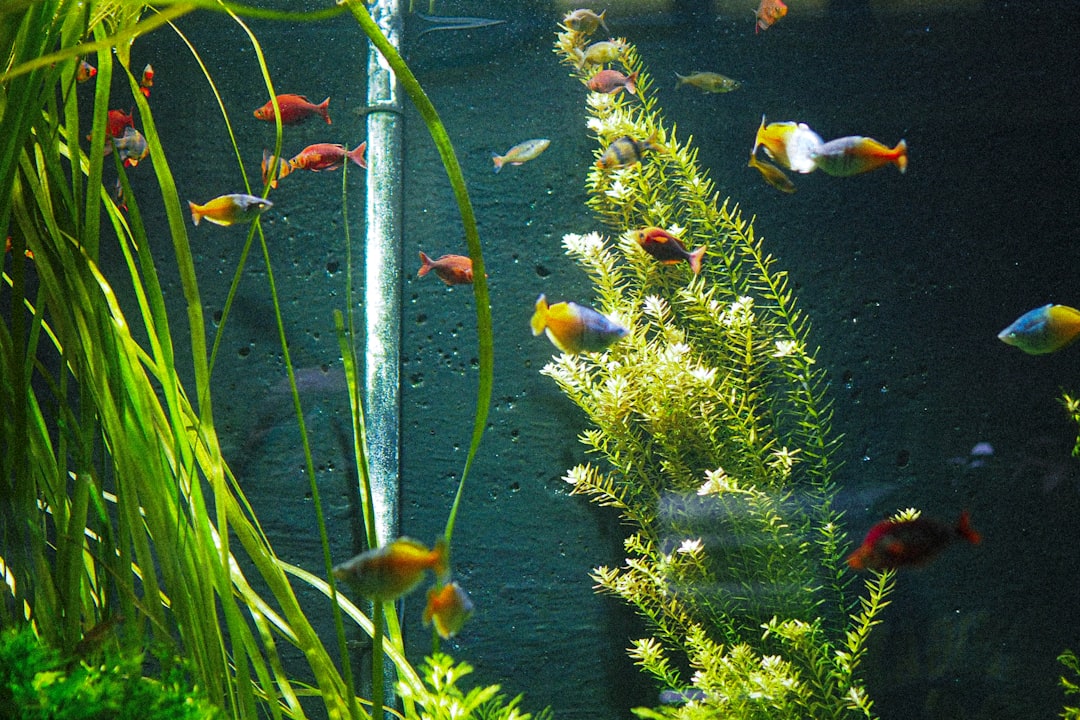
If your tank has turned cloudy overnight, this bacterial bloom aquarium guide will help you understand what is happening and how to resolve it. A bacterial bloom is one of the most common and alarming sights for aquarium keepers, but it is almost always temporary and rarely dangerous to livestock. At Gensou Aquascaping at 5 Everton Park, we reassure worried hobbyists about this phenomenon on a regular basis — understanding the cause is the first step to a clear solution.
What Is a Bacterial Bloom?
A bacterial bloom occurs when free-floating heterotrophic bacteria multiply rapidly in the water column. These bacteria feed on dissolved organic compounds and reproduce at explosive rates when conditions favour them. The result is a milky, cloudy or whitish haze that can appear within hours and obscure visibility across the entire tank.
Unlike green water, which is caused by suspended algae, a bacterial bloom has a distinctly white or greyish cast. The water may also carry a slightly musty odour. While the appearance is unsettling, the bacteria themselves are generally harmless to fish and invertebrates in the short term.
Common Causes
The most frequent trigger is an immature or disrupted nitrogen cycle. New tanks that have not completed their cycling process are especially prone to bacterial blooms, as the biological filtration has not yet established a stable population of nitrifying bacteria to compete with the free-floating heterotrophs.
Other common causes include overfeeding, adding too many fish at once, a dead fish or snail decomposing unnoticed, filter maintenance that removes too much beneficial bacteria, and substrate disturbance during rescaping. Any event that introduces a sudden spike in organic waste can fuel a bloom.
Is It Dangerous?
In most cases, a bacterial bloom is not directly lethal to fish or shrimp. However, the bacteria consume oxygen as they multiply, which can lower dissolved oxygen levels in the water. In heavily stocked tanks or those with already marginal aeration, this oxygen depletion can stress or even suffocate livestock.
Monitor your fish for signs of oxygen stress — gasping at the surface, rapid gill movement or lethargy. If you observe these symptoms, increase surface agitation immediately by adjusting your filter outflow or adding an airstone.
How to Treat a Bacterial Bloom
The most effective treatment is patience. Most bacterial blooms resolve on their own within three to seven days as the bacteria consume the available organic matter and their population crashes. Resist the urge to perform massive water changes, as this can prolong the cycle by introducing fresh nutrients.
Small water changes of 10 to 20 per cent are acceptable to maintain water quality. Reduce feeding to once daily in small amounts, and remove any visible debris or decaying material from the tank. Ensure your filter is running and the media is intact — do not clean it during a bloom.
UV sterilisers are highly effective at clearing bacterial blooms. A UV unit rated for your tank volume will typically clear the water within 24 to 48 hours by killing free-floating bacteria as water passes through the unit. This is the fastest resolution method available.
Prevention Strategies
Proper tank cycling is the single best preventive measure. Allow four to six weeks for your nitrogen cycle to mature before adding livestock. Seed the tank with filter media from an established aquarium if possible, as this introduces a ready-made colony of beneficial bacteria.
Avoid overfeeding — offer only what your fish consume within two to three minutes, once or twice daily. Remove uneaten food promptly. When adding new fish, introduce them in small groups rather than all at once, giving the biological filter time to adjust to the increased bioload.
After filter maintenance, rinse media in old tank water rather than tap water to preserve beneficial bacteria. Replace no more than one-third of your filter media at a time, and stagger replacements by several weeks.
Bacterial Blooms in Singapore’s Climate
Singapore’s warm ambient temperatures accelerate bacterial metabolism, which means blooms can appear more quickly and intensely than in cooler climates. Tanks without chillers or fans may sit at 29 to 31 degrees Celsius, creating ideal conditions for rapid bacterial reproduction.
Maintaining water temperature below 28 degrees with a clip-on fan helps moderate bacterial growth rates. Good circulation and surface agitation are also more important in warm climates, as warmer water holds less dissolved oxygen.
When to Seek Help
If a bloom persists beyond ten days, or if your fish show signs of distress, the situation may require more targeted intervention. Persistent blooms can indicate an ongoing source of organic pollution — check for a dead animal hidden behind hardscape, a malfunctioning filter, or contaminated substrate.
Visit Gensou Aquascaping for water testing and troubleshooting assistance. We can help identify the root cause and recommend the right combination of treatments to restore your tank to crystal clarity.
Related Reading



