Aquarium Biology Lesson Plan Singapore Schools: Ecosystem in a Box
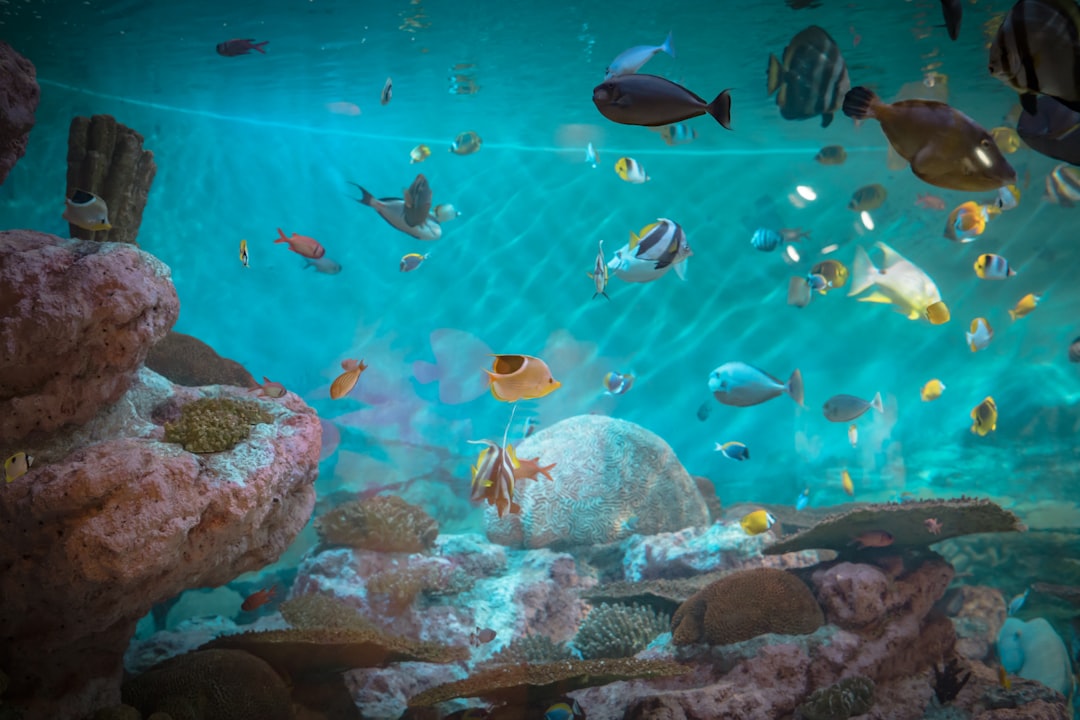
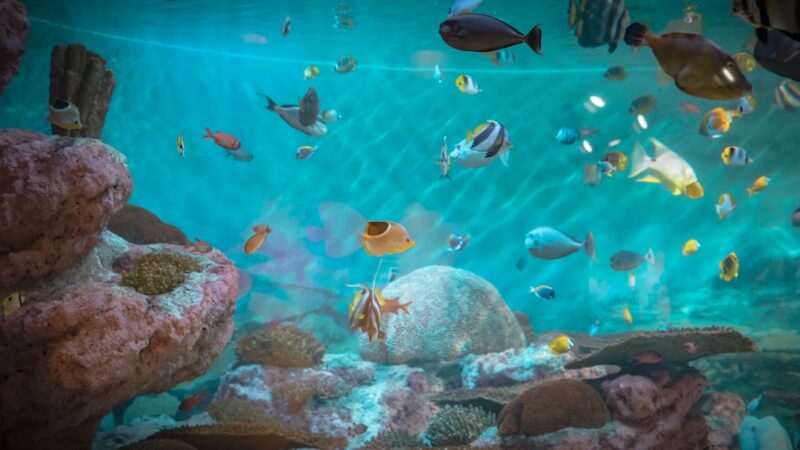
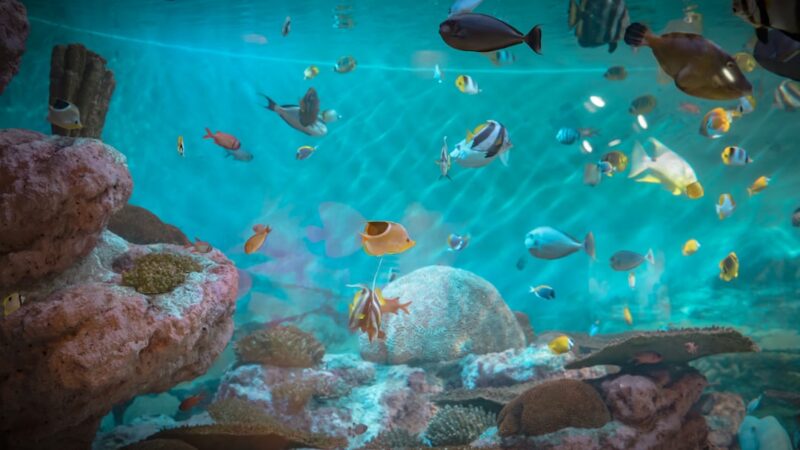
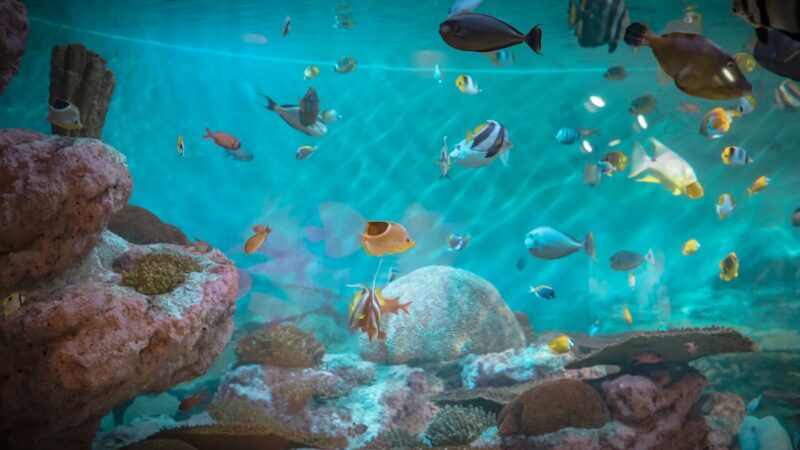
A classroom aquarium is a living reference that teachers can point to every week for months, covering ecology, chemistry, and even statistics without a single additional resource. This aquarium biology lesson plan singapore schools edition maps a single 60-100 litre tank to the MOE syllabus across P5 science, lower secondary science, and O-level biology, with activities teachers can slot into existing lessons. We put this together with teachers visiting Gensou Aquascaping at 5 Everton Park over the past three years, and it reflects what actually works within a 40-minute period rather than ideal lab conditions.
Quick Facts
- Ideal tank: 60-100 litres, placed visible to the whole class
- Syllabus coverage: P5 Science “Cycles”, LSS “Ecosystems”, O-level Biology
- Setup cost: $250-$450, budgeted through the science department
- Maintenance load: 20 minutes weekly, often delegated to a science CCA
- Lesson integration: 6-10 distinct lessons across a full academic year
- Assessment: observation logs, sketches, data analysis tasks
- Ideal inhabitants: shoal of neon tetras, corydoras, plants, shrimp
Primary 5 Science: Cycles and Living Things
The aquarium illustrates the water cycle visibly — evaporation from surface, condensation on the glass lid, run-back into the tank. It also shows interdependence: plants produce oxygen, fish consume it, fish waste feeds plants. For a 40-minute lesson, run a water-level mark exercise over a fortnight to quantify evaporation (typical 60 litre open-top tank loses 1-2 litres weekly in Singapore ambient), and use the measurement to discuss humidity and the classroom air conditioning.
A simple sketch task — “draw the tank and label who eats whom” — introduces food chain vocabulary in a concrete way that a textbook diagram cannot.
Lower Secondary Science: Ecosystems Unit
The ecosystems strand in the Express/Normal syllabus maps naturally onto a classroom tank. Biotic factors (fish, plants, snails, microbes), abiotic factors (temperature, pH, dissolved oxygen, light), and their interactions all sit in one viewable cube. Students measure pH, temperature, and light intensity as a practical lesson, and relate changes over the day to photosynthesis and respiration cycles.
Run a dissolved oxygen or pH swing experiment: take a reading at 8 am before lights on, then at 4 pm after a full photoperiod. pH typically rises 0.3-0.6 units during the day in a well-planted tank as CO2 is consumed. Students then explain the drift using the Hydrogen carbonate equilibrium.
O-Level Biology: Enzymes, Respiration, Photosynthesis
At upper secondary, the tank supports deeper biology. The nitrogen cycle experiment (see the school science project version) covers bacterial chemotrophy. The day/night pH swing demonstrates photosynthesis and respiration balance. Aquatic plants illustrate gas exchange without stomata — Vallisneria and Elodea both stream oxygen bubbles under strong light, a visible “oxygen evolution” demonstration that is much harder to reproduce with terrestrial plants.
For enzymes, students can link feeding behaviour to digestion: corydoras feeding on sinking wafers, filter feeders like Amano shrimp fanning the current, herbivorous snails rasping biofilm. Different feeding modes, same underlying enzymatic breakdown.
Cross-Curricular: Maths and Stats
Weekly parameter logs accumulate into a dataset by term’s end. Use the data in a maths lesson on descriptive statistics — mean temperature, range, standard deviation of nitrate readings across a month. Students identify outliers and relate them to events like a power outage, a filter clean, or a school holiday feeding gap. Real data beats textbook datasets for engagement.
Recommended Stocking for a Classroom Tank
Go hardy and visible. 15 neon or cardinal tetras for a shoaling demonstration, 6 bronze corydoras for bottom-dwelling behaviour, 2 honey gouramis for mid-water presence, 10 cherry shrimp for invertebrate diversity, and 2-3 nerite snails for grazing behaviour. All species tolerate the parameter swings of a classroom tank with variable feeding and occasional weekend lights-left-on incidents.
Avoid bettas as the single feature — they stress with constant classroom movement. Avoid plecos, which grow too large for the shared task. Avoid any cichlid — territorial disputes are unsettling for younger students to witness.
Practical Safety and Supervision
A classroom tank runs on mains electricity. Use an RCD-protected socket and run all cables through cable trunking. Lids should be clipped down during school hours to prevent curious fingers reaching in. Chemicals (dechlorinator, plant ferts) locked in the prep room. Nominate two teachers as tank custodians — one primary, one backup for school holidays — and establish a feeding schedule that the school’s cleaning staff can maintain over term breaks.
Tying the Aquarium to Nature Studies in Singapore
Local relevance strengthens the teaching. Discuss how aquarium fish husbandry connects to PUB reservoir ecosystem management, the invasive fish concerns at Pandan and MacRitchie reservoirs, and the nitrate loading issues the same cycle produces at ecosystem scale. Students start to see that the tank in the corner is a controlled model of the water system the country actually lives on.
Longer-Term Sustainability
A classroom tank that survives beyond year one usually has three things: a dedicated student CCA or interest group that tends it, a simple written routine pinned near the tank, and a budget line ($10-15/month is enough) for food and consumables. Departments that rely on a single enthusiastic teacher see tanks collapse when that teacher leaves. Build redundancy in; make it institutional rather than personal.
Related Reading