Aquarium Blog Writing Tips Guide: SEO and Voice
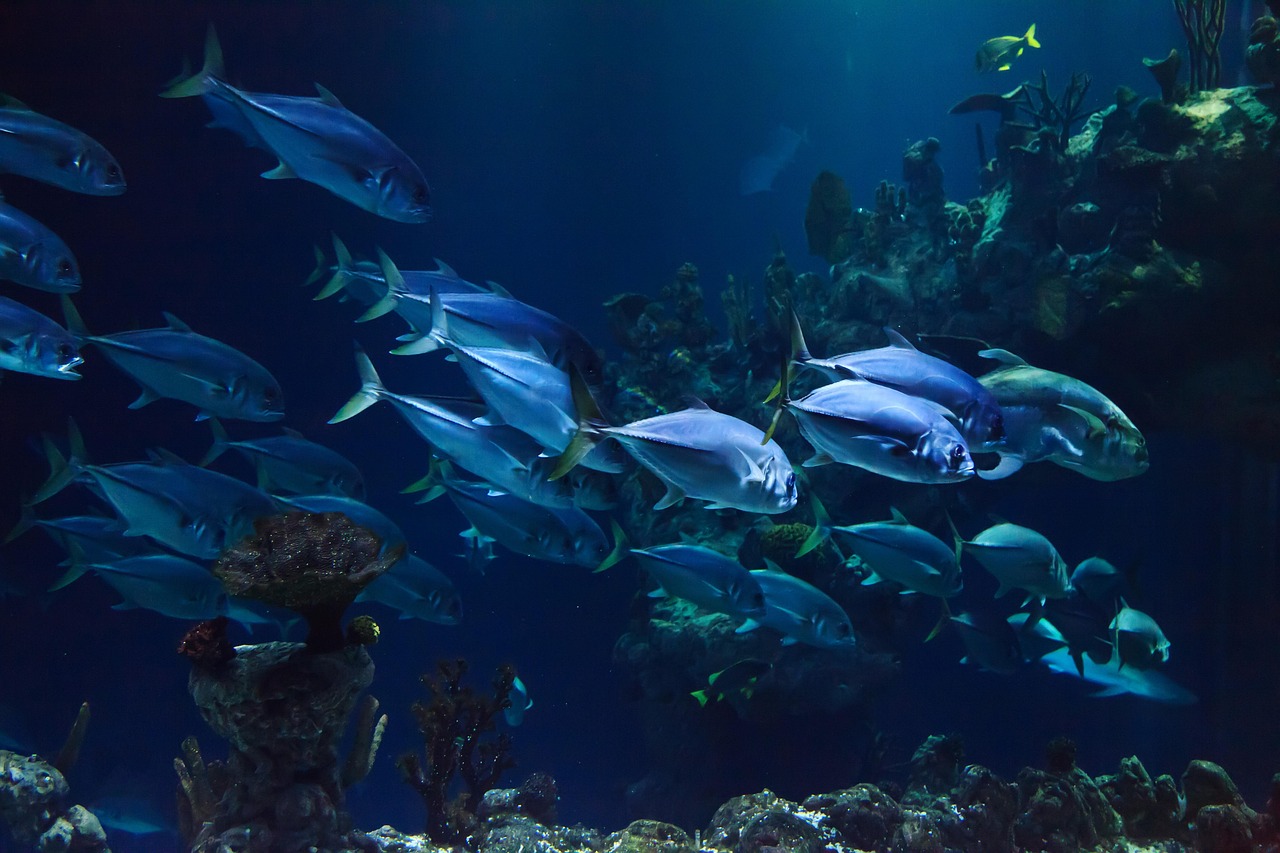
An aquarium blog that actually gets read combines two unlikely bedfellows: search engine optimisation and authentic voice. This aquarium blog writing tips guide exists because most hobbyist blogs swing too far one way — either keyword-stuffed lifeless prose or charming rambles that nobody finds. This guide from Gensou Aquascaping at 5 Everton Park shares what works for Singapore aquascaping content, drawing on years of writing for hobbyists, clients and search engines simultaneously without compromising on either audience.
Start With a Real Reader, Not a Keyword
Picture the person who will Google your topic at 11pm after spotting a sick fish. What do they actually need? Speed of answer, specific numbers, a reason to trust you. Keyword research tools like Ahrefs or Ubersuggest tell you what people search; your job is to serve that intent with genuine expertise, not to stuff the phrase into headers. The search intent is the north star; everything else follows.
Title Structure That Works
Aquarium niche titles perform best at 50 to 65 characters with the focus keyword front-loaded and a specific benefit after a colon. Compare “Aquarium Fish Care” (too generic) to “Neon Tetra Care Guide: pH, Tankmates and Feeding” (specific, scannable). Our own peacock cichlid piece follows this pattern. Skip clickbait; niche readers punish it harder than general audiences.
Meta Descriptions and Opening Hooks
The meta description has to promise a specific takeaway in 140 to 160 characters. Write the description last, after the article is done, so you can pull out the most useful sentence rather than inventing one. Mention the focus keyword once, name the benefit, and end with brand attribution. Generic descriptions drag click-through rates down by 40 percent versus specific ones.
The first 3 sentences of the article decide whether a reader stays or bounces. Open with a concrete fact, a common pain point, or a counter-intuitive insight. Avoid generic “welcome to this guide” openings. Bold the focus keyword within the first two sentences naturally, mention your brand and location once, and establish authority without boasting. Our photography guide follows this rhythm.
Section Structure and Scanning
Readers scan headers before they read paragraphs. Each H2 should be a self-contained promise that answers a specific sub-question. Use descriptive headers like “When Nitrate Runs Too High” rather than filler like “Let’s Talk About Nitrate”. Target 5 to 12 H2 sections per 800 to 1100 word article. Add subheads only when a section genuinely has sub-points; don’t force hierarchy.
Sentence Length and Rhythm
Vary sentence length aggressively. Three short sentences in a row feel robotic; three long sentences in a row lose readers. Mix them. Run sections through read-aloud in your head — if you run out of breath, the sentence is too long; if you sound like a toddler, it is too short. British English spelling for SG audiences (colour, centre, favour, litre) signals local authority over American-sourced content.
Authority Through Specifics
Specific numbers beat vague claims every time. “Feed daphnia at 28 degrees Celsius for best colour response” is more credible than “feed appropriate food”. “$25 to $32 per bottle at C328 Clementi” grounds the advice in reality. Readers spot generic AI-generated content within one paragraph; specifics build trust that no spintax can fake.
Internal Linking Discipline
Three to five in-prose links per article, each to a genuinely related piece that extends the current topic rather than duplicating it. Use descriptive anchor text like “aquascape photography tips” rather than “click here”. Internal linking is the backbone of topical authority; Google rewards a tightly interlinked cluster over an orphan post.
SEO Without the Spam
Use the focus keyword two to four times across the article including once in the opening and once in the meta description. Sprinkle semantic variants (LSI terms) naturally — related species names, equipment brands, local shop references. Forget keyword density percentages. Modern search engines understand topics, not string matches; write for expertise and the ranking follows.
Voice and Personality
Hobbyist readers smell corporate writing at ten paces. Use “you” and “your” to address the reader directly. Share opinions honestly, including where the hobby consensus is wrong. Reference your own experience specifically (“I ran this protocol on a 120 litre mixed reef for 18 months”) rather than vague credentials. Personality is the moat; AI can produce prose, but not a specific voice backed by decades of practice.
Editing Is Where Writing Happens
First drafts are raw material. Cut 15 to 25 percent on the first edit pass, focusing on filler phrases (“it is worth noting”, “in this article we will”, “dive in”). Read aloud for rhythm. Check every claim against a source. The polish pass is where you promote a decent article into one that gets shared and ranked. See our aquascape photography guide for parallel editing discipline in visuals.
Publishing Cadence
Weekly or bi-weekly consistent output beats a burst of ten posts then nothing. Search engines reward sustained publication rhythm, and readers build loyalty to creators they can rely on. Start with a sustainable cadence of one well-researched 900-word post per week rather than three rushed ones. The SG aquascaping blog space is small; consistency compounds quickly.
Related Reading
- Aquarium Content Creator Pricing Rate Card
- Aquarium for YouTube Content Creators
- How to Create Aquarium Content for Instagram
- Aquascape Photography Tips
- TikTok Aquarium Content Creation SG