
Aquarium Cardiovascular Health Research Guide: Blood Pressure Studies
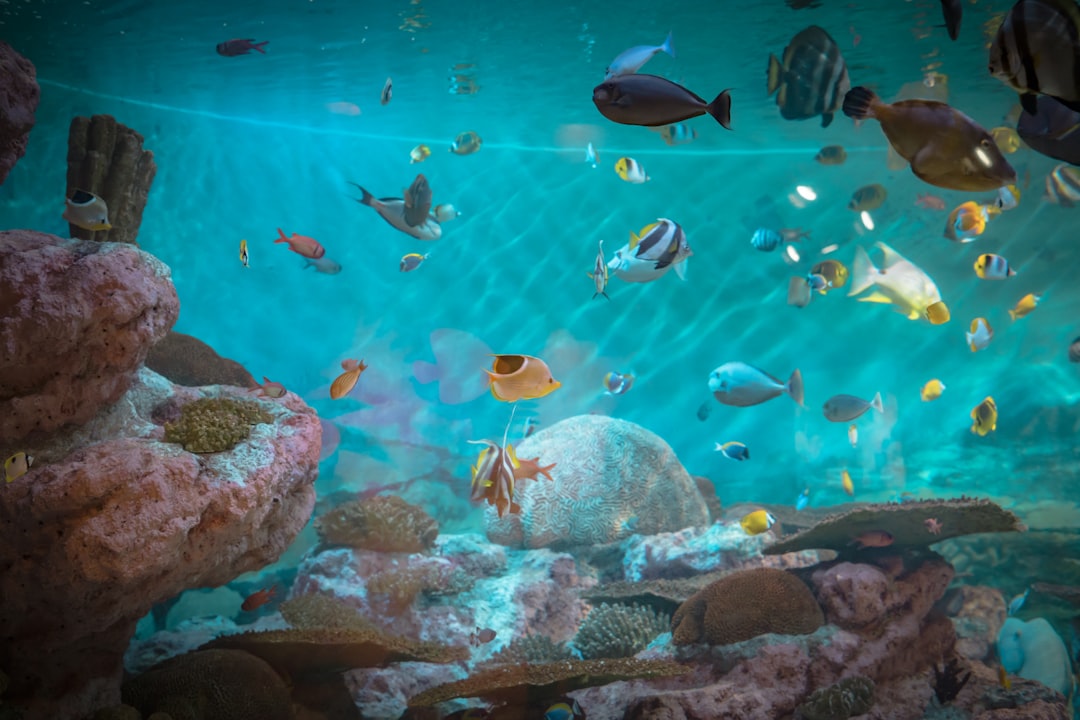
The peer-reviewed evidence linking aquarium cardiovascular health benefits to measurable physiological changes is no longer fringe. A 2015 Plymouth University study by Cracknell and colleagues, published in Environment and Behavior, recorded a 3.7 per cent drop in heart rate and a 4.3 per cent drop in blood pressure among participants who watched a stocked aquarium for ten minutes. For Singapore residents managing hypertension under MOH chronic disease guidelines, this puts aquarium cardiovascular health research on the table as a credible adjunct intervention. This guide from Gensou Aquascaping at 5 Everton Park summarises the data, the mechanisms, and the practical setup for a clinically meaningful viewing experience.
The Plymouth 2015 Landmark Study
Cracknell, White, Pahl, Nichols and Depledge ran the experiment at the National Marine Aquarium in Plymouth, UK, observing 112 participants across three tank-stocking conditions. Heart rate fell most when biodiversity was highest, and self-reported mood improved in parallel. The blood pressure data is the headline figure clinicians cite, because a sustained 4 per cent drop equates to roughly 5 mmHg systolic in a 130 mmHg baseline patient — clinically meaningful when stacked alongside diet and exercise.
Mechanisms Behind the Drop
Three pathways explain the cardiovascular response. First, slow-moving fish trigger the orienting reflex without the cognitive load of moving objects, dampening sympathetic nervous activation. Second, the soft acoustic signature of a sponge-filtered tank sits in the parasympathetic-friendly 50-60 dB range. Third, blue-green light wavelengths from planted-tank LEDs reduce cortisol secretion within fifteen minutes of exposure.
How Long the Effect Lasts
The Plymouth team measured benefit at the end of a single session. Follow-up work from the University of Exeter in 2017 suggests the cardiovascular calming effect plateaus around the 12-15 minute mark and persists for 30-45 minutes after viewing ends. Daily 15-minute sessions before bed produce the most consistent next-morning blood pressure improvements in pilot data.
Singapore MOH Context
The Ministry of Health’s 2017 Clinical Practice Guidelines on Hypertension prioritise non-pharmacological interventions for stage 1 hypertensives. Aquarium viewing is not formally listed, but the framework for stress-reduction adjuncts (mindfulness, paced breathing) maps onto it directly. Polyclinic GPs at SingHealth and NUHS have begun discussing low-cost calming setups during chronic disease management plan reviews.
Tank Specs for Maximum Cardiovascular Benefit
Higher biodiversity drove stronger results in the Plymouth data, so a heavily planted 60-90 litre tank with 12-20 small schoolers outperforms a sparse showpiece. Choose a calm-temperament community: ember tetras, harlequin rasboras, sparkling gouramis. The aquarium tank range at Gensou stocks low-iron rimless cubes in the 45-90 litre band that sit comfortably on a sideboard at eye level when seated.
Lighting and Viewing Distance
Position the viewer 1.5-2.5 metres from the front glass — close enough for fine detail, far enough for the whole scene to enter peripheral vision. Use a programmable LED with a sunrise-sunset ramp; abrupt full-power switching spikes the very stress hormones you are trying to suppress. The aquarium lighting range covers WRGB units with 30-minute ramp profiles suitable for therapeutic viewing schedules.
Stocking Choices That Drive the Response
Schooling fish that move in coordinated patterns produce the strongest orienting-reflex response. Cardinal tetras at 15-20 head, harlequin rasboras at 10-12, or a single school of 18-25 ember tetras all qualify. Avoid aggressive cichlids or boisterous barbs — chase behaviour spikes viewer heart rate rather than dropping it. Pair the school with two or three slow-moving anchor fish like sparkling gouramis for visual variety.
Plant Cover and Visual Calm
Heavily planted tanks scored higher in the Plymouth biodiversity arm. Aim for 60-70 per cent plant cover with a mid-ground carpet and tall background stems. Anubias, Cryptocoryne and Vallisneria handle Singapore PUB tap water and low-tech CO2-free setups well. The slow swaying of stem plants under gentle filter flow contributes its own visual rhythm to the cardiovascular response.
Daily Routine for Hypertension Management
Bookend the day with two 15-minute viewing sessions: one within 30 minutes of waking, one in the hour before bed. Pair with a home blood pressure cuff and log readings monthly to track trend lines. Patients who combine aquarium viewing with the MOH-recommended DASH diet and 150 minutes weekly aerobic exercise typically see additive 3-7 mmHg systolic improvements over a 12-week window.
Related Reading



