
Aquarium Recovery Hospital Room Design Singapore Guide: Patient Calm
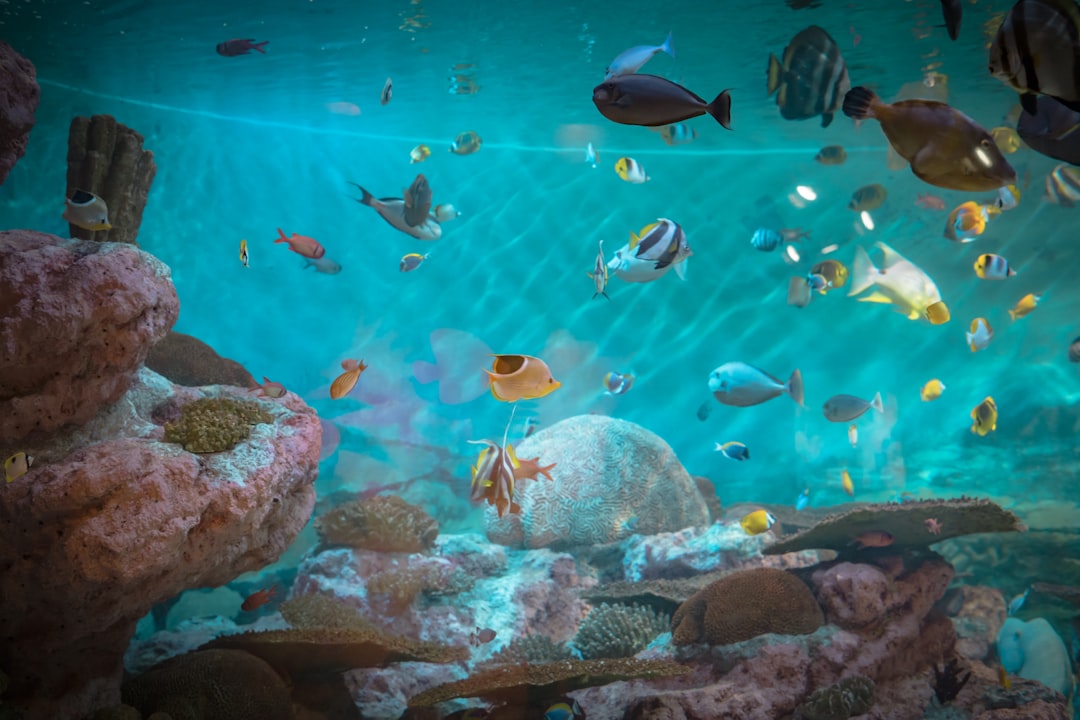
Walk into the lobby of Mount Elizabeth Novena and the first thing pre-procedure patients notice is the floor-to-ceiling marine display, sitting deliberately within line of sight of the day-surgery waiting area. The aquarium recovery hospital singapore trend has moved from boutique private clinics into mainstream institutional design over the past decade, with Raffles Hospital and the NUH paediatric oncology unit running their own bespoke installations. Hospital procurement teams now treat aquarium recovery hospital singapore projects as part of the patient-experience capital budget, alongside acoustic treatment and lighting upgrades. This guide from Gensou Aquascaping at 5 Everton Park covers the design parameters, MOH sanitation requirements, and SGD 8,000-50,000 budget tiers that institutional clients ask about.
Why Aquariums Land in Recovery Spaces
Pre-procedure anxiety drives measurable cardiovascular spikes that anaesthetists track. A 2018 audit at one private SG hospital found a 12 per cent reduction in pre-induction sedative top-ups in the wing nearest the lobby aquarium. Post-procedure recovery rooms with aquarium views report shorter mean discharge-from-recovery times in nursing reports, although controlled trial data remains thin in the local literature.
Mount Elizabeth Novena Installation Profile
The Novena lobby tank is a 3,800-litre marine system maintained by a contracted aquarium services company. The display sits behind a curved low-iron acrylic panel with backlit corals and mid-water schooling species that move predictably across the viewing plane. Capital cost for a system in this class lands between SGD 35,000 and 80,000 inclusive of cabinetry, life support and first-year service contract.
Raffles Hospital and NUH Paediatric Setups
Raffles Hospital runs smaller freshwater displays in several outpatient zones, typically 200-400 litre planted Iwagumi setups. The NUH paediatric oncology unit installed a custom 600-litre community freshwater tank in its day-treatment lounge, stocked with rasboras, corydoras and a bristlenose pleco specifically chosen for visibility and disease resistance. Paediatric installations skew freshwater because viewing distance is short and the colour palette is gentler.
SGD 8k-50k Budget Tiers
The institutional market splits into three brackets. Entry-tier installations of SGD 8,000-15,000 cover a 200-300 litre planted freshwater tank with cabinetry and a basic service contract. Mid-tier at SGD 18,000-30,000 buys a 400-600 litre planted or simple marine community. Premium installations from SGD 35,000-50,000 cover bespoke shapes, custom rockwork, advanced life support and 24-month service.
MOH Sanitation and Permit Requirements
Hospital aquariums fall under MOH facility-design guidelines around infection control. Tanks cannot drain into clinical waste lines, must sit behind glass or acrylic with no patient hand contact, and require documented water-change logs filed with the facilities team. Splash zones near the tank surface need to be at least three metres from any sterile area, and lid arrangements must prevent aerosolisation of tank water during feeding.
Service Contract Specifications
Contracted maintenance runs SGD 400-1,500 per visit depending on tank volume and complexity, typically twice monthly. Contracts cover water testing, partial water changes, glass cleaning, livestock health checks and equipment servicing. Reputable service providers carry public liability insurance and document each visit with photos and parameter logs filed back to the facilities manager.
Livestock Selection for Patient Viewing
Hospital tanks favour calm, long-lived, disease-resistant species that move predictably. Freshwater picks include harlequin rasboras, Congo tetras, angelfish and bristlenose plecos. Marine selections lean on ocellaris clownfish, yellow tangs, royal grammas and chromis schools. Avoid jumpers, fin-nippers and species prone to ich outbreaks under fluctuating staff-changeover stress. The commercial-grade tank range at Gensou ships in volumes suitable for the entry-tier institutional bracket.
Lighting and Acoustic Design
Recovery-room aquariums need silent operation. External canister filters in lockable cabinets, sound-dampened return pumps and timer-controlled LEDs that ramp in 30-minute sunrise profiles all contribute. Avoid in-tank powerheads — the high-frequency hum disturbs lightly sedated patients in adjacent recovery bays. Reach for the aquarium filter range for canister units in the 1,000-2,500 LPH bracket suitable for institutional volumes.
Specifying for a New Hospital Project
Brief the architect early — aquarium walls need to be specified before plumbing rough-in. Allow for power isolation switches, dedicated drainage to non-clinical lines, structural floor reinforcement for tanks above 400 litres, and access panels behind the cabinetry for service work. Engage an established aquatic-services contractor at the design-development stage to avoid retrofit costs that often double the build budget.
Related Reading



