
Aquarium for Art Galleries: Living Installation Art
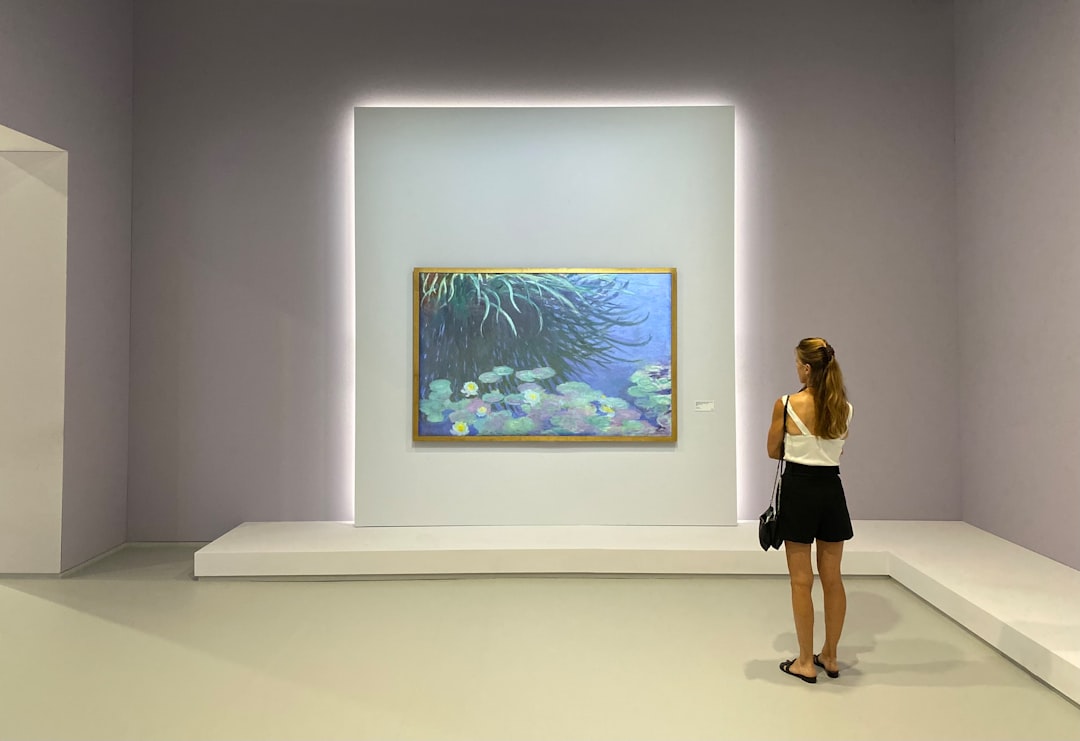
When done right, an aquarium in an art gallery transcends decoration and becomes a living installation — a constantly evolving work that visitors experience differently each time they visit. The intersection of aquascaping and contemporary art is fertile ground for galleries seeking immersive, sensory pieces that static works cannot match. This aquarium art gallery guide from Gensou Aquascaping at 5 Everton Park, Singapore, covers the design principles, practical logistics and maintenance considerations for gallery installations that genuinely earn the label of living art.
Concept Before Hardware
Start with the artistic intent, not the tank size. Is the installation exploring decay and renewal? A paludarium with emersed growth overtaking submerged hardscape tells that story. Is it about minimalism? A single piece of stone in crystal-clear water with no fish — just light and shadow — can be profoundly striking. Galleries that have commissioned Gensou Aquascaping in Singapore have found that the strongest installations emerge when the aquascaper collaborates with the curator early, aligning the tank concept with the exhibition’s broader theme.
Tank Design for Gallery Spaces
Standard rectangular tanks feel domestic and out of place in a gallery. Consider custom shapes: a long, shallow channel tank (200 cm long, 30 cm wide, 25 cm tall) creates a river perspective. A tall cylinder becomes a column of light and life. Frameless, low-iron glass is essential — the green tinge of standard glass undermines the visual clarity that gallery lighting demands. Budget $15-30 per litre of tank volume for a custom-built low-iron display, depending on dimensions and glass thickness.
Lighting as Artistic Tool
Gallery lighting is controlled and intentional, and the aquarium’s lighting must integrate with the room’s scheme. Spotlighting from above — narrow-beam LED pendants of 6500 K — creates dramatic shadows through hardscape and plant canopies. Programmable LEDs allow sunrise-sunset cycles that change the installation’s mood throughout the day. Dimmed blue moonlight in the evenings transforms the tank into something entirely different from its daytime appearance. Coordinate with the gallery’s lighting designer to ensure the tank does not wash out adjacent artworks or create unwanted reflections on nearby frames.
Species Selection for Visual Impact
Fish in a gallery installation are performers, not pets. A single large school of 50-80 green neon tetras (Paracheirodon simulans) moving in unison creates a kinetic sculpture effect. Alternatively, a solitary betta — chosen for its colour against the scape — adds focal drama. Avoid mixing too many species; the visual becomes cluttered and loses artistic coherence. Shrimp-only displays using bright red Cherry Shrimp against dark substrate and pale stone offer an unexpected living mosaic that challenges visitors’ expectations of what an aquarium can be.
Sound and Sensory Integration
Water sound adds another dimension. A gentle trickle from an exposed filter outlet or a small waterfall feature in a paludarium section introduces ambient sound that complements the visual. In larger gallery spaces, some artists amplify hydrophone recordings from inside the tank through hidden speakers, letting visitors hear the clicks and hums of aquatic life. Silence is also a choice — a perfectly still, filter-hidden tank in a quiet room forces visitors to slow down and observe at the water’s pace.
Maintenance During Exhibitions
Gallery exhibitions run weeks to months, and the aquarium must look impeccable throughout. Schedule maintenance visits twice weekly: glass cleaning, top-ups, feeding and parameter checks. Algae growth can be incorporated into the concept — a tank intentionally left to develop natural biofilm tells a different story from a pristine display. However, uncontrolled algae reads as neglect, not art. In Singapore’s climate, plan for accelerated evaporation in air-conditioned gallery spaces; an automatic top-off system prevents water level fluctuations that break the visual illusion.
Decommissioning and Ethics
Every exhibition ends. Plan the decommission from day one. Where will the fish go? Who takes the plants? A responsible installation includes a rehoming plan for all living inhabitants. Gensou Aquascaping maintains a network of hobbyists and shops willing to adopt display animals post-exhibition. The ethical dimension of using living creatures in art requires transparency with the gallery and visitors alike — a brief artist statement addressing animal welfare strengthens rather than diminishes the work’s integrity.
Related Reading



