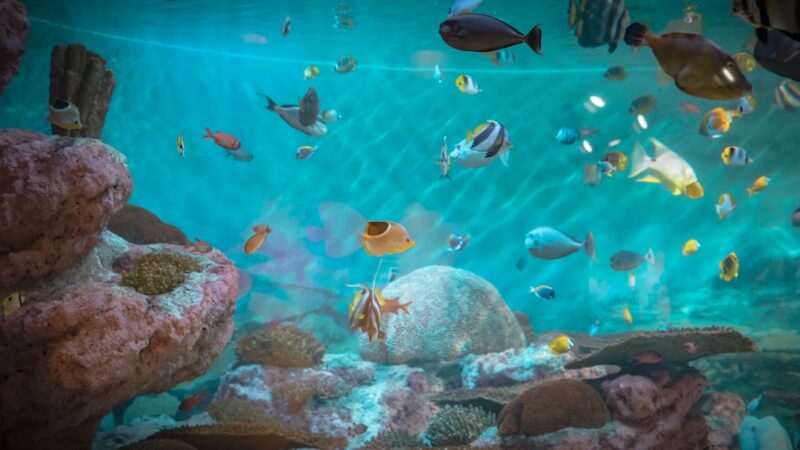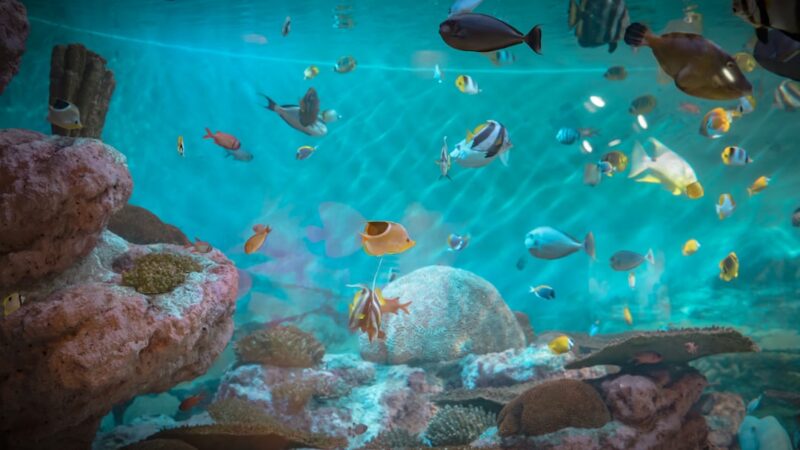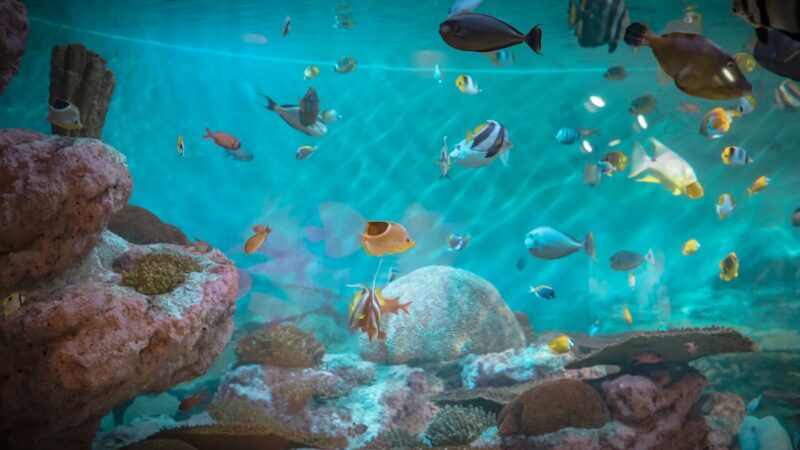

Aquarium for Church and Temple Lobbies: Peaceful Welcome
Religious spaces — churches, temples, and prayer halls — hold a quality of stillness that most public buildings never achieve. An aquarium placed in the lobby or entrance area deepens that quality, offering visitors a moment of quiet contemplation before or after worship. A living tank of fish moving unhurriedly through planted greenery communicates care, patience, and the natural world in a way that no piece of furniture or artwork can replicate. This guide from Gensou Aquascaping at 5 Everton Park, Singapore covers how to design, specify, and maintain an aquarium for a church or temple lobby that serves the space with dignity and longevity.
The Role of an Aquarium in a Sacred Space
Fish have symbolic significance in many religious and cultural traditions. In Chinese Buddhist and Taoist practice, goldfish and koi carry connotations of good fortune, abundance, and harmony. In Christian tradition, the fish symbol (ichthys) predates even the cross as a marker of faith. A well-chosen aquarium in a religious lobby works on multiple levels — aesthetic, symbolic, and practical — providing a focal point that is universally non-confrontational and calming to visitors of all ages and backgrounds.
The sound element matters here too. A lobby aquarium’s gentle filtration sound creates a natural acoustic buffer against street noise and general ambient clatter, helping visitors transition mentally from the busyness outside to the quietness they are seeking within.
Sizing for the Space
The scale of the aquarium should reflect the scale of the lobby. A large church hall with a wide entrance foyer can accommodate a statement piece — a 300–500 litre tank, custom-built into cabinetry or a freestanding display unit — that commands attention from across the room. A smaller prayer hall or HDB-block temple with a compact entrance corridor is better served by a 120-litre tank that enhances rather than overwhelms the space.
For institutions with multi-use lobbies — where the space doubles as a meeting point for community events — ensure the tank is positioned so it cannot be accidentally knocked by crowds moving through. A recessed installation into a purpose-built alcove or a tank positioned flush against a wall rather than in a high-traffic pathway is the safest arrangement in a busy lobby.
Species Choices for Dignity and Symbolism
Goldfish and fancy varieties such as Ryukin, Ranchu, and Oranda are the natural choice for Buddhist temples and spaces where Chinese cultural traditions are observed. They are recognisable, auspicious, and visually striking. Goldfish produce significant waste and require robust filtration — plan for filtration rated at three to four times the tank volume per hour, and weekly water changes of 30–40%.
For Christian churches and multi-denominational spaces, a peaceful community of large angelfish or a serene species-only tank of silver dollar fish (Metynnis argenteus) creates an elegant, non-culturally specific display. Planted community tanks with a mix of tetras, peaceful catfish, and dense planting work beautifully in modern, minimalist church lobbies where clean lines are favoured.
Aquascape Design: Calm, Not Chaotic
The aquascape should reflect the values of the space — restful, ordered, and natural. A simple hardscape of smooth river stones or a single dramatic piece of driftwood, with deep green planting and clear open water for the fish, is far more appropriate than a complex competitive-style aquascape with strong visual tension. Avoid overtly dramatic red plant arrangements or high-contrast Dutch-style designs in this context — calm greens, gentle movement, and good depth create the right atmosphere.
Avoid artificial decorations, sunken treasure chests, and novelty ornaments entirely. The goal is a natural living scene, not a display of aquarium paraphernalia. A carefully maintained, simply aquascaped tank speaks of care and attention more effectively than any amount of decoration.
Practical Maintenance for Institutions
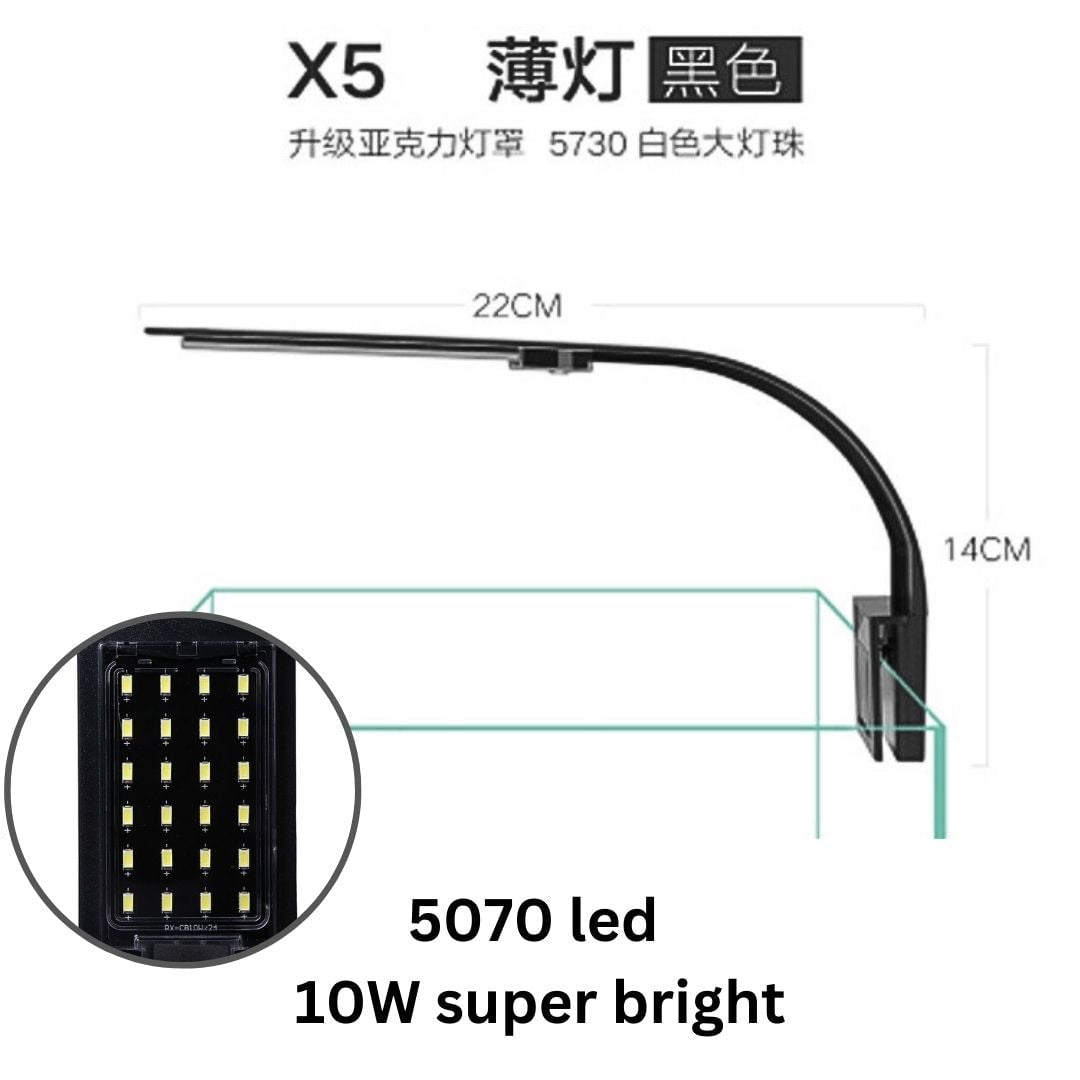
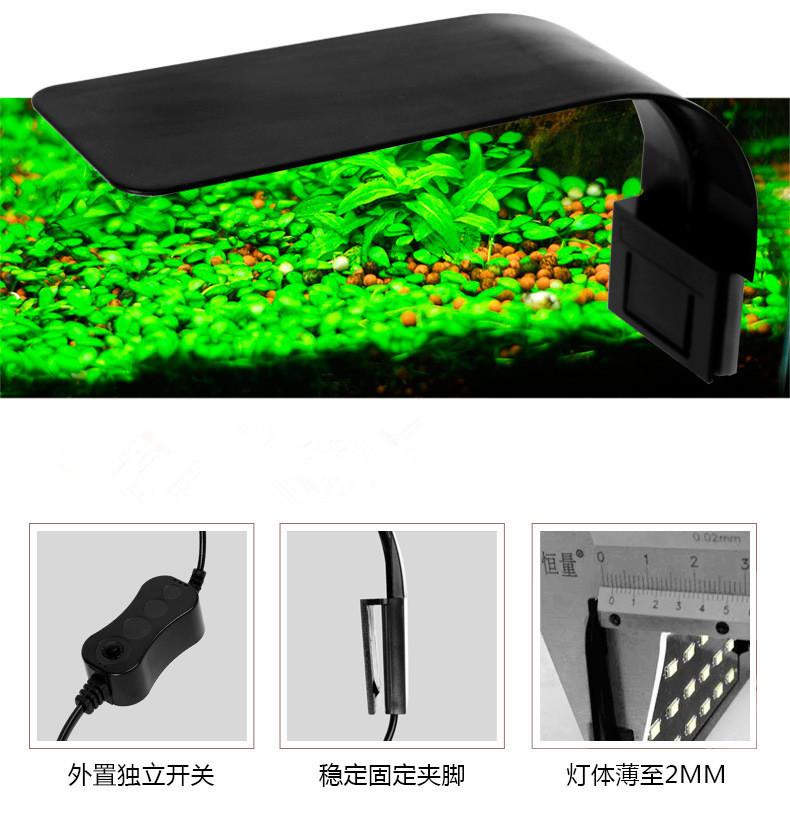
Religious institutions often operate with volunteer labour and limited technical capacity. Choose a maintenance-friendly setup: a quality canister filter (Eheim, Oase, or Fluval) that requires cleaning only once a month, an auto top-off (ATO) unit to manage evaporation, and robust, low-maintenance plant species like Anubias, Microsorum pteropus, and Cryptocoryne that tolerate irregular trimming. An auto-timer on the lights ensures the tank runs on a consistent photoperiod even when nobody remembers to switch it on and off.
Assign one or two responsible volunteers as designated tank caretakers, and train them in the essential routine: weekly feeding check, top-off, and a brief inspection of fish health. Schedule a professional maintenance visit monthly or bi-monthly for water changes, filter cleaning, and plant pruning. Gensou Aquascaping offers ongoing maintenance contracts for commercial and institutional clients across Singapore.
Budget and Installation Considerations
A well-specified 120-litre lobby tank with a custom cabinet, quality canister filter, LED lighting, hardscape, and planted community setup runs approximately $600–1,200 in Singapore depending on specification. A larger 300-litre statement tank with custom cabinetry can reach $2,500–4,000 installed. Most institutions find the cost straightforward to fund through a single donation appeal or as part of a general renovation budget — frame it honestly to donors as a long-term feature of the space that will enrich the community for years.
Professional installation by Gensou Aquascaping at 5 Everton Park ensures the tank is correctly cycled, safely mounted, and handed over with a maintenance protocol tailored to your institution’s capacity. A lobby aquarium installed with care and maintained consistently becomes one of the most quietly appreciated features of any sacred space.
Related Reading