
Aquarium for Psychology Practices: Therapeutic Focus
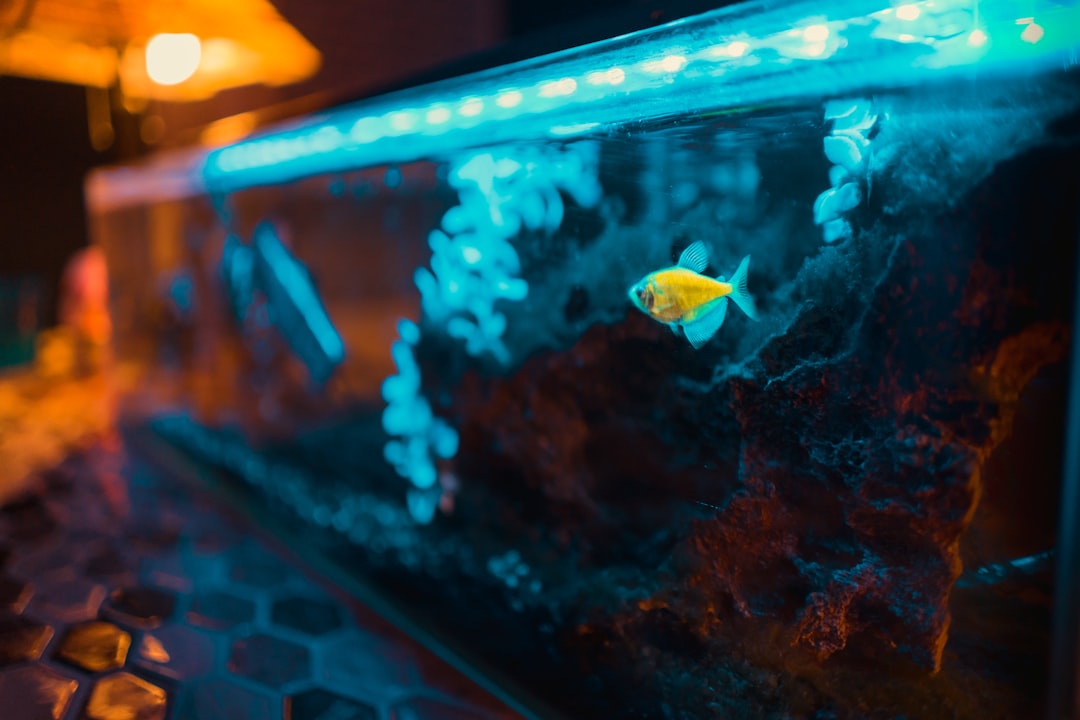
Research consistently shows that watching fish reduces blood pressure, heart rate, and anxiety. For a psychology practice, an aquarium is not mere decoration but a functional therapeutic tool. An aquarium psychology practice guide helps clinicians select the right tank, species, and placement to maximise patient benefit. Gensou Aquascaping at 5 Everton Park, Singapore, has installed calming aquatic displays in several healthcare and wellness spaces across the island, and the feedback from practitioners is overwhelmingly positive.
The Science Behind Aquarium Therapy
A 2015 study published in Environment and Behavior found that participants who watched a fully stocked aquarium for just five minutes experienced significant reductions in heart rate and self-reported anxiety compared to those viewing an empty tank or a wall. The gentle, unpredictable movement of fish engages attention without demanding cognitive effort, a state psychologists call “soft fascination.” This makes aquariums particularly effective in waiting rooms where patients may arrive stressed, or in therapy rooms where a calming focal point aids grounding exercises.
Choosing the Right Tank Size and Placement
For a waiting room, a tank of 120-180 cm length provides a substantial visual presence that multiple people can enjoy simultaneously. Position it at seated eye level, roughly 80-100 cm from the floor to the tank’s midpoint. In a therapy room, a smaller 60-90 cm tank placed to the side of the therapist’s chair works as a peripheral calming element without becoming a distraction during sessions.
Weight matters in Singapore’s HDB and commercial buildings. A 120 cm tank filled with water, substrate, and equipment easily exceeds 200 kg. Verify floor load capacity with your building management, particularly for upper-storey units. Wall-mounted or cabinet-supported tanks distribute weight more effectively than open stands.
Species That Promote Calm
Slow-moving, peacefully behaved fish are ideal. A school of harlequin rasboras (Trigonostigma heteromorpha) moves in gentle, coordinated waves that are almost hypnotic. Honey gouramis (Trichogaster chuna) drift gracefully near the surface, their warm amber colour adding visual warmth. Avoid aggressive or highly territorial species. Cichlids that chase or bettas that flare can increase rather than reduce patient anxiety.
Shrimp-only setups with Neocaridina varieties offer a surprising alternative. Their constant, methodical grazing is deeply meditative, and the vibrant colours of cherry red or blue dream shrimp engage attention without any risk of aggression.
Aquascaping for Therapeutic Effect
Natural layouts outperform artificial decorations in therapeutic contexts. Smooth river stones, driftwood, and live plants like Anubias and Java fern create a scene that feels organic and calming. Avoid overly complex hardscapes or bright artificial ornaments, as these can feel visually chaotic. A simple nature-style aquascape with a clear focal point, perhaps a single piece of spiderwood arching across the midground, provides just enough visual interest to hold attention without overwhelming the viewer.
Lighting and Sound Considerations
Warm-toned LED lighting between 6500 K and 7000 K flatters fish colours while maintaining a cosy atmosphere. Avoid stark white or blue-heavy spectra, which can feel clinical. A sunrise and sunset timer that gently ramps brightness over 30 minutes creates a soothing transition that itself becomes a calming visual cue.
Noise is a critical factor in a psychology practice. Choose a canister filter or a well-designed hang-on-back filter that runs near-silently. Eheim Classic or Oase BioMaster series filters produce minimal hum and are available in Singapore for $80-200 depending on capacity. A bubbling air stone may seem relaxing, but the repetitive sound can interfere with therapy sessions. Opt for surface agitation from the filter return instead.
Maintenance Realities for a Clinical Setting
A psychology practice cannot afford a murky or neglected-looking tank. Weekly maintenance of 30-45 minutes covers a 25% water change, glass cleaning, and plant trimming. Many practitioners in Singapore outsource this to professional aquarium maintenance services, which typically charge $80-150 per visit depending on tank size. Gensou Aquascaping offers maintenance packages tailored to commercial clients who need reliable, scheduled upkeep.
Automate what you can. A dosing pump for liquid fertiliser, an auto-top-off system to replace evaporated water, and a programmable LED timer reduce daily involvement to simply feeding the fish once or twice.
Compliance and Practical Matters
Ensure the tank setup complies with your tenancy agreement and any building regulations. Electrical outlets must be safely positioned away from water, and a drip tray beneath the cabinet protects flooring. Keep fish medication and cleaning supplies in a locked cupboard, separate from clinical supplies. Display a small informational card beside the tank describing the species inside; patients often ask, and the conversation can serve as a natural icebreaker at the start of a session. A well-maintained aquarium in a psychology practice is an investment in patient wellbeing that pays dividends every working day.
Related Reading



