
What to Do When a Fish Dies: Removal, Testing and Next Steps
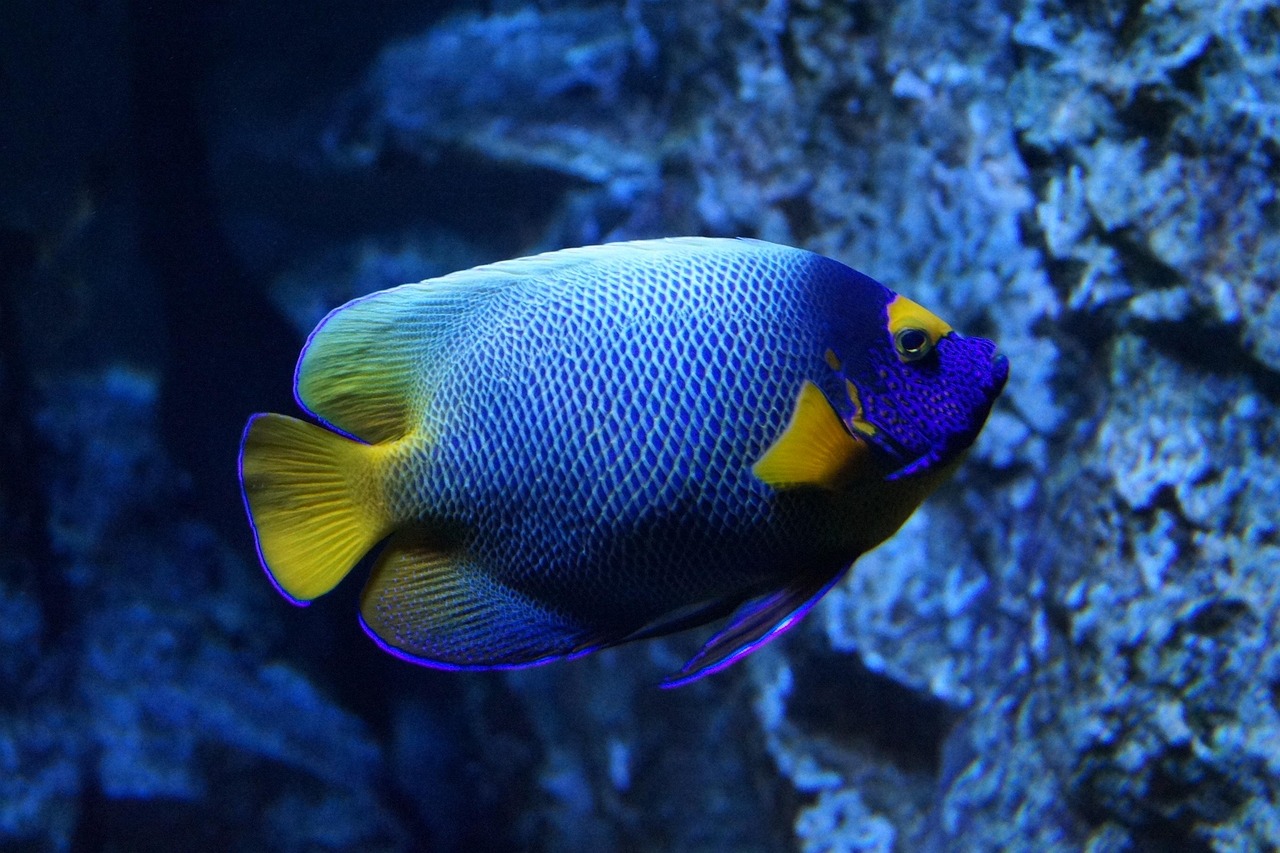
Understanding what to do fish dies aquarium hobbyists face is important because a single death can signal a larger problem that threatens the remaining inhabitants. At Gensou Aquascaping, 5 Everton Park, Singapore, we guide aquarists through the immediate steps and longer-term checks needed to protect their tank after losing a fish.
Remove the Body Promptly
The moment you notice a dead fish, remove it from the aquarium. A decomposing body releases ammonia rapidly, which can spike levels in a matter of hours, especially in smaller tanks. Use a fish net or a pair of long tweezers to lift the body out. Check behind hardscape, inside caves and within dense plant growth, as fish sometimes die in hidden spots and go unnoticed for days. In Singapore’s warm climate, where water temperatures sit between 27 and 31 degrees Celsius, decomposition accelerates faster than in cooler environments, making prompt removal even more critical.
Inspect the Fish for Clues
Before disposing of the body, take a moment to examine it. Look for visible signs of disease: white spots indicating Ich, a dusty gold sheen suggesting velvet, cottony growths pointing to fungal infection, or red streaks on fins and body that may indicate bacterial septicaemia. Check for physical injuries such as torn fins or bite marks, which suggest aggression from tank mates. A bloated abdomen could indicate dropsy or internal parasites. Documenting what you observe, even with a quick phone photograph, helps if you later need advice from a knowledgeable hobbyist or shop staff.
Test Your Water Parameters Immediately
Grab your liquid test kit and check ammonia, nitrite, nitrate and pH. Ammonia and nitrite should read zero in a healthy, cycled tank. Any detectable level of either suggests a problem with the biological filter or an organic waste issue. Elevated nitrate above 40 ppm indicates insufficient water changes. A sudden pH shift can also be lethal. Record your results and compare them with your usual readings. A reliable liquid test kit, such as the API Master Test Kit, costs around SGD 35 to SGD 45 at local aquarium shops and is an essential investment for every hobbyist.
Perform a Water Change
Regardless of your test results, a partial water change is a sensible precaution after a fish death. Replace 25 to 30 per cent of the tank water with dechlorinated Singapore tap water matched to the tank temperature. This dilutes any ammonia released during decomposition and reduces other dissolved waste. Gravel-vacuum the substrate in the area where the fish was found to remove any organic matter. Avoid changing more than 40 per cent at once, as large water changes can destabilise parameters and stress the remaining fish further.
Observe the Remaining Fish
Spend ten to fifteen minutes watching your other fish after the removal. Look for symptoms such as clamped fins, rapid breathing, flashing against surfaces, loss of appetite, unusual swimming patterns or visible spots and lesions. If multiple fish show stress signs, the death may be linked to a water quality issue or an outbreak of disease rather than an isolated incident. If you spot symptoms, consider isolating affected fish in a hospital tank and beginning appropriate treatment before the problem spreads.
Check Your Equipment
A malfunctioning filter, a failed heater or a broken air pump can silently create lethal conditions. Verify that the filter is running at its normal flow rate and that the media is not clogged. Check the thermometer to ensure the temperature is within range. If you use an air pump, confirm it is producing adequate aeration. In Singapore, power trips caused by thunderstorms occasionally knock out equipment without the owner realising. A battery-powered air pump, available for SGD 10 to SGD 20, serves as a useful backup during outages.
Disposing of the Fish Responsibly
Wrap the body in newspaper or a tissue and dispose of it in your general household waste bin. Do not flush dead fish down the toilet, as pathogens and parasites can enter the water system. Never release a dead or dying fish into a drain, canal or reservoir, as this poses biosecurity risks to Singapore’s waterways. If you suspect the fish died from a contagious disease, double-bag the body before disposal and wash your hands, net and any tools with hot water afterwards.
Preventing Future Losses
A single fish death is not always cause for alarm, but it should prompt a review of your husbandry. Ensure you are performing regular weekly water changes of 20 to 25 per cent. Feed appropriate amounts and remove uneaten food promptly. Avoid overstocking and ensure all species in the tank are compatible in terms of temperament, size and water parameter requirements. Quarantine new arrivals for two weeks before adding them to the display tank. If losses continue despite good practices, bring a water sample to Gensou Aquascaping and we will help you troubleshoot the issue at no charge.
Related Reading



