
How to Aquascape for Angelfish: Tall, Planted and Elegant
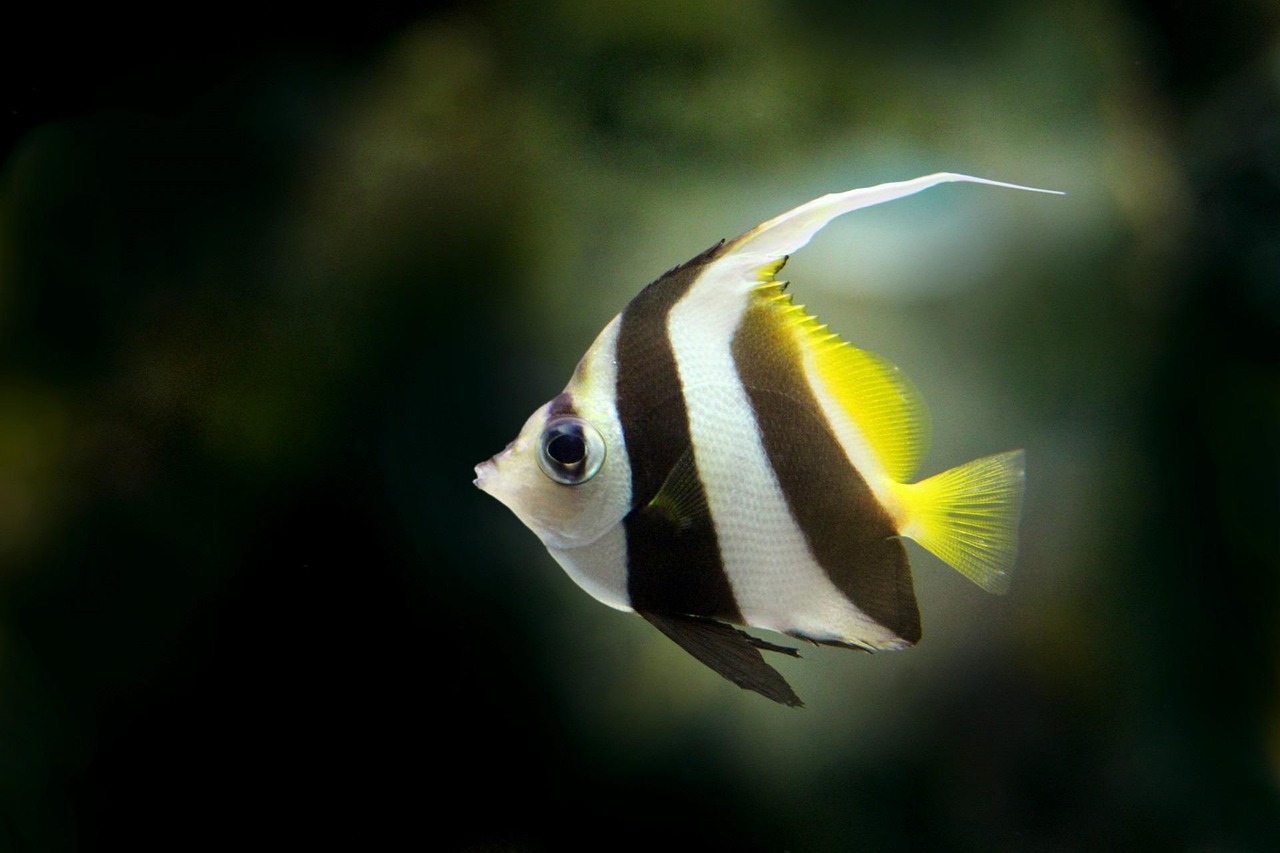
This aquascape angelfish tank guide helps you design a planted layout that complements the tall, graceful silhouette of freshwater angelfish. At Gensou Aquascaping at 5 Everton Park, Singapore, we have built numerous angelfish tanks and know that the right combination of height, open swimming space and vertical plantings creates a truly elegant display.
Tank Dimensions for Angelfish
Angelfish are vertically oriented fish with long trailing fins that need room to extend. A tank height of at least 45 cm is the minimum, but 50 to 60 cm is ideal. Standard 90 cm or 120 cm tanks with a height of 50 cm or more work well. Avoid shallow, wide tanks designed for aquascaping competitions, as these restrict the angelfish’s natural vertical movement. A 200 to 300-litre tank comfortably houses a small group of four to six angelfish alongside complementary species. In Singapore, tanks of these dimensions are readily available from local manufacturers and importers at competitive prices.
Hardscape for Vertical Impact
Choose tall, upright pieces of driftwood that draw the eye upward and mirror the vertical body shape of angelfish. Branching driftwood that reaches from the substrate to near the water surface creates dramatic silhouettes. Malaysian driftwood and mopani wood offer height and character. Stones can anchor the base of your layout and provide visual weight, but keep them secondary to the wood. Avoid creating dense hardscape barriers that block swimming lanes. Angelfish need open corridors to glide through, so arrange wood and stone to frame spaces rather than fill them.
Tall Background Plants
Vallisneria is the quintessential angelfish companion plant. Its long, ribbon-like leaves sway gently in the current and create a curtain effect that angelfish love to weave through. Vallisneria spiralis and Vallisneria nana are both suitable for background planting. Amazon swords, particularly Echinodorus bleheri, provide broad leaves that reach impressive heights in nutrient-rich substrate. Crinum calamistratum offers a unique, crinkled leaf texture that adds visual interest. Plant these species along the back and sides of the tank, leaving the central area relatively open for swimming.
Midground and Foreground Planting
In the midground, Cryptocoryne wendtii and Cryptocoryne undulata provide medium-height coverage with attractive bronze and green leaf tones. These plants tolerate the moderate light levels common in taller tanks where illumination decreases with depth. Anubias attached to midground driftwood adds dark green accents without competing for substrate space. For the foreground, Staurogyne repens or Cryptocoryne parva create a low carpet that frames the open swimming area. Avoid dense foreground carpets like Hemianthus callitrichoides that require intense light, as the depth of an angelfish tank makes lighting the substrate evenly more challenging.
Floating Plants for Shade
Angelfish originate from the Amazon basin where overhanging vegetation filters sunlight. Adding floating plants like Amazon frogbit, Salvinia natans or red root floaters creates a dappled light effect that mimics their natural environment and makes the fish feel secure. Floating plants also help manage nutrients by absorbing nitrates from the water column. In Singapore, where tank temperatures run warm, floating plants grow vigorously and may need thinning every week or two to prevent them from blocking all light to the plants below.
Water Parameters and Temperature
Freshwater angelfish thrive in a pH of 6.0 to 7.5, GH of 3 to 8 and a temperature of 26 to 30 degrees Celsius. Singapore’s ambient warmth means most tanks sit comfortably within this range without a heater, though a thermostatically controlled heater is advisable for air-conditioned rooms where temperatures may drop below 25 degrees Celsius at night. Soft, slightly acidic water brings out the best colour in angelfish and supports the South American plants typically used in their tanks. Weekly water changes of 25 to 30 per cent maintain water quality and stability.
Compatible Tank Mates
Angelfish coexist well with peaceful community species that are not small enough to be eaten. Rummy-nose tetras, cardinal tetras of adult size, Corydoras catfish and bristlenose plecos are classic companions. Avoid fin-nipping species like tiger barbs and serpae tetras, which will shred the angelfish’s flowing fins. Amano shrimp can work in a well-planted tank with hiding spots, though smaller cherry shrimp may become snacks. Kuhli loaches add interest to the bottom level without competing for the mid-water space angelfish prefer.
Creating Your Angelfish Aquascape
The key to a successful angelfish aquascape is balancing dense vertical planting with generous open swimming areas. Think of the layout as a stage set: the plants and wood form the backdrop and wings, while the central space is the performance area where the angelfish display their elegant movement. Keep maintenance manageable by choosing plants suited to moderate lighting and avoid overcomplicating the layout. Visit Gensou Aquascaping at 5 Everton Park for personalised advice on designing an angelfish tank that looks stunning and keeps your fish healthy and content.
Related Reading



