
How to Aquascape for Rainbowfish: Open Water and Bold Colour
Rainbowfish are built for speed, colour and display. An aquascape rainbowfish tank guide must prioritise open swimming lanes while still delivering the planted beauty that makes aquascaping rewarding. Getting this balance right separates a dull fish-holding facility from a genuinely impressive display. At Gensou Aquascaping in Singapore, we design rainbowfish layouts that let these active swimmers shine without sacrificing visual depth.
Design Principle: Frame, Don’t Fill
Think of the aquascape as a frame around an open stage. Dense plantings belong along the back wall and sides, creating a green backdrop that makes iridescent fish colours pop. The centre and front remain largely empty, giving the school room to cruise, display and spar. Resist the temptation to fill every gap with stems. Open water is a deliberate design choice, not empty space.
Tank Dimensions That Work
Length matters more than height. A 120 cm tank is the practical minimum for species like Melanotaenia boesemani that reach 10-12 cm. Even dwarf species like M. praecox benefit from 90 cm or longer. Tanks of 45 cm depth front-to-back provide enough room to create a convincing planted border while retaining a wide swimming channel down the middle.
Hardscape Placement
Position rocks and wood at the sides and rear third of the tank. Rounded river stones suit the biotope aesthetic, while branching driftwood adds height without blocking horizontal movement. Create small caves and overhangs where subdominant males can retreat. Avoid central focal-point stones that force fish to swim around them constantly, increasing stress and territorial aggression.
Plant Choices for a Rainbow Tank
Tall Vallisneria species make an excellent flowing background. Hygrophila polysperma and Limnophila sessiliflora fill side borders quickly and tolerate the slightly harder water rainbowfish prefer. For midground, Cryptocoryne wendtii adds dark bronze tones that contrast with the fish’s metallic sheen. Avoid delicate foreground carpets unless you are prepared for them to be disturbed by the vigorous bottom-feeding habits of larger rainbowfish.
Water Flow and Filtration
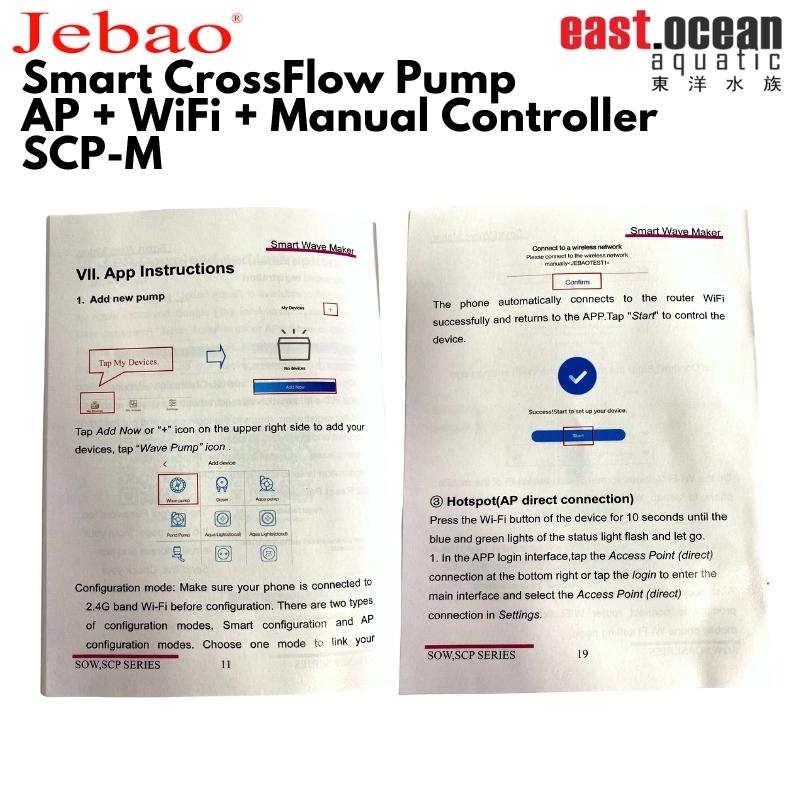
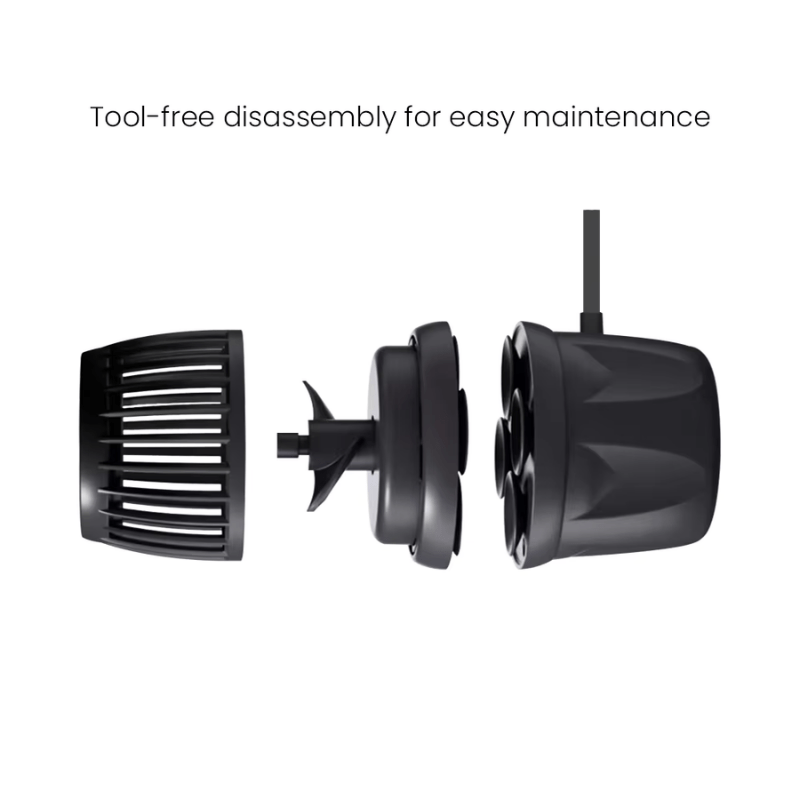
Rainbowfish come from flowing streams and rivers. Aim for a turnover rate of eight to ten times tank volume per hour. A canister filter paired with a wavemaker or powerhead creates the directional current these fish enjoy swimming into. Position the outflow lengthwise across the tank to maximise the swimming corridor. Strong filtration also handles the higher bioload, as rainbowfish are enthusiastic eaters that produce significant waste.
Lighting to Maximise Colour
Full-spectrum LED lighting in the 6500-8000K range brings out rainbowfish iridescence most effectively. Morning sunlight triggers the most dramatic colour displays, so placing the tank where indirect natural light reaches it during early hours enhances the experience. Run artificial lights for eight hours daily to support plant growth without excessive algae. A brief “sunrise” ramp-up period encourages natural behaviour and gradual colour intensification each morning.
Stocking and Compatibility
Keep rainbowfish in groups of eight or more of the same species for the best social dynamics and colour competition among males. Mixing species works if all are similarly sized. Bottom dwellers like Corydoras sterbai or bristlenose plecos complement the display without competing for mid-water space. Avoid slow, long-finned tankmates that may be stressed by the rainbows’ boisterous swimming. In Singapore, healthy M. boesemani typically sell for $5-8 each at specialty shops, making a school of ten an affordable centrepiece investment.
Related Reading
- How to Aquascape for Forktail Rainbowfish: Pseudomugil Nano Display
- How to Aquascape for Threadfin Rainbowfish: Delicate Fins Need Calm Flow
- Australian Rainbowfish Biotope Aquascape: Down Under in Your Tank
- New Guinea Rainbowfish Biotope Aquascape: Colour From the Islands
- New Guinea Rainbowfish Biotope Aquascape: Tropical River Basin



