
Aquarium Video Time Lapse Setup Guide: Camera and Editing
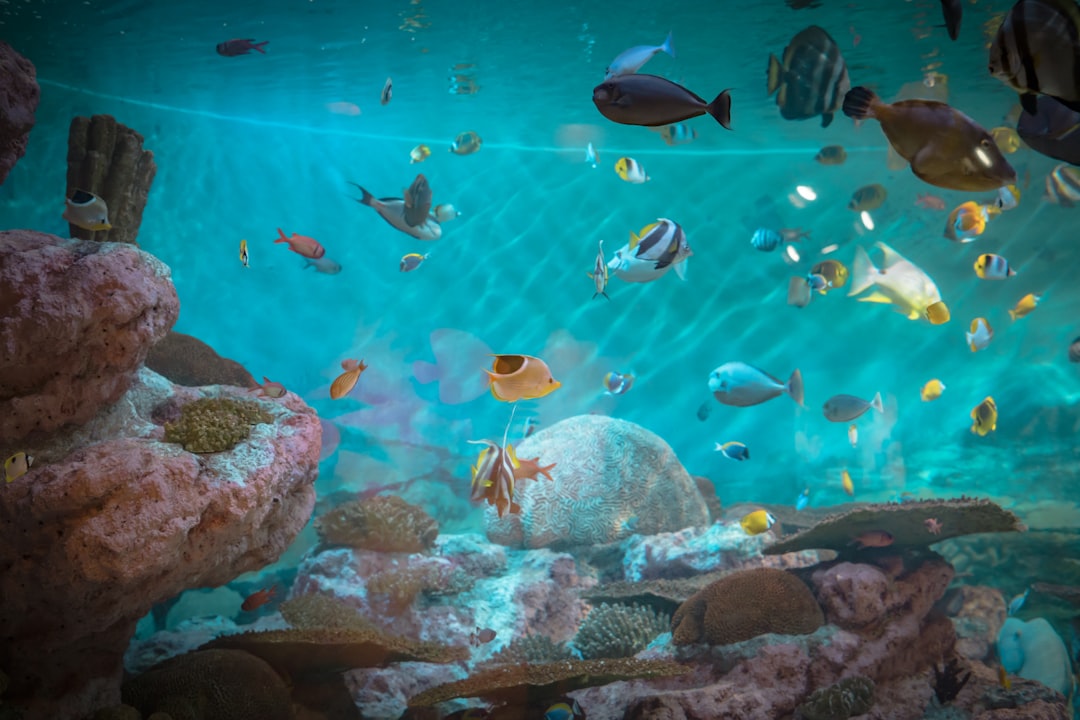
A well-edited time-lapse compresses weeks of scape evolution into 60 seconds and tells a story no static photo can match — substrate sloping, plants filling, fish entering, the whole arc of a build laid bare. Producing a clean aquarium time lapse video demands locked-down lighting, a stable camera position over weeks, and an intervalometer routine that captures the right number of frames without filling a hard drive. This setup guide from Gensou Aquascaping at 5 Everton Park covers the cameras, intervals, and editing software that turn raw frames into a publishable build log.
Camera Choice by Budget
Three brackets cover most setups. Entry: GoPro Hero 12 (SGD 600) with built-in time-lapse mode and weatherproofing for damp environments. Mid: Canon EOS RP (SGD 1,500) with a 24-105mm kit lens, full-frame sensor and clean intervalometer through Canon Camera Connect. Pro: Sony A7 IV (SGD 3,500) with sharper resolution and superior dynamic range for ambient HDB lighting variation. Insta360 X4 (SGD 800) handles 360-degree captures for VR-style edits.
Intervalometer Settings by Phase
Match interval to growth rate. Hardscape and dry-start phase: one frame every 60 seconds captures slow setup work and overnight humidity changes. Flooding and cycling phase: one frame every 30 seconds captures water clarity changes and initial pearling. Mature growth phase: one frame every 5-10 minutes captures stem elongation and carpet spreading. A 30-day mature growth lapse at 5-minute intervals produces 8,640 frames, equal to 6 minutes of video at 24fps.
Lighting Consistency Is Everything
Inconsistent lighting destroys time-lapses. Run scape lights on a digital timer with identical on-time and intensity every day. Avoid relying on ambient room light — sunset shifts and weekend curtain habits create flicker that no editing can fully fix. The aquarium lighting range includes timer-controlled LED panels that hold output stable to within 2 per cent over months.
Camera Mounting for Stability
The camera must not move for the duration of the project — even 1mm of shift between frames produces visible jitter in the final cut. Mount on a heavy tripod, gaffer-tape the legs to the floor, and ideally tape the tripod head to lock against accidental knocks. Position 60-90cm from the tank front to avoid reflection and to leave maintenance access. Mark the tripod position with masking tape so you can replace it precisely after any move.
Storage and File Management
RAW files at 24MP run 25-40MB each — a 30-day high-frequency capture fills 200-400GB. Shoot JPEG large+fine if storage is limited, accepting the loss of post-processing latitude. External SSDs with 2TB capacity (around SGD 200) handle most projects comfortably. Back up to cloud weekly during the shoot — losing a 30-day capture to a corrupt drive is the single most painful failure mode.
Editing in DaVinci Resolve
DaVinci Resolve free version handles time-lapse imports through the Media tab — drop the JPEG sequence and Resolve auto-stitches into a single clip at the project frame rate. Apply auto colour-balance to handle minor lighting drift, then add a slight ease-in/ease-out at start and end to soften abrupt transitions. Output at 4K 24fps for YouTube, 1080p 30fps for Instagram. Final Cut Pro and Lightroom both produce comparable results on Mac.
Maintenance Frame Removal
Water changes, trims and feeding sessions appear as jarring jumps in the final lapse. Cull these frames during edit, or pause the intervalometer manually during maintenance. Most cameras allow remote pause/resume via app — useful when your hands are wet from a substrate adjustment.
Adding Fish Action Inserts
Time-lapse plus real-time fish footage cut together produces the most engaging edits. Shoot 30-60 second real-time clips during the build phase from the same tripod position, then intercut at 2-3 second intervals during the time-lapse playback. The aquarium tank range rimless designs with optical white glass produce the cleanest video footage by minimising green tint correction in post.
Audio Track Selection
YouTube and Instagram both require copyright-cleared audio. Epidemic Sound (SGD 17/month) and Artlist (SGD 199/year) offer ambient instrumental tracks that suit nature aquarium footage. Avoid commercial music from streaming services — algorithmic copyright detection silently mutes uploads. Add water bubbling sound effects from royalty-free libraries to the maintenance and pearling sequences.
Output Settings for Each Platform
YouTube long-form: 4K H.265, 50Mbps bitrate. Instagram Reels: 1080×1920 vertical, 30fps, 30 seconds. TikTok: identical to Reels. Cross-post the same edit to all three after testing playback on a phone — desktop preview misses many issues that phone playback exposes.
Related Reading



