Zen Garden Aquascape: Minimalist Sand, Stone and Negative Space

A Japanese dry garden — karesansui — distils nature into its purest elements: raked sand, carefully placed stone, and vast emptiness. Translating this philosophy underwater creates one of the most striking and meditative aquascape styles possible. This zen garden aquascape minimalist guide from Gensou Aquascaping in Singapore explains how to design, build, and maintain a layout where what you leave out matters more than what you put in.
The Philosophy of Less
Zen garden aquascaping is an exercise in restraint. Every stone, every grain of sand, and every centimetre of open space must be deliberate. Resist the hobbyist instinct to fill gaps — negative space is the defining feature, not a flaw. The empty sand bed represents water or sky in traditional karesansui design; the stones represent mountains or islands. Your tank tells a story through absence as much as presence.
Choosing Your Stones
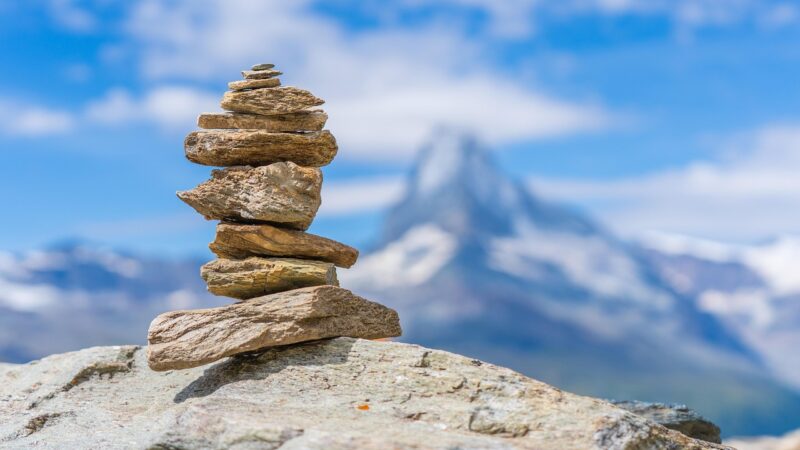
Select an odd number of stones — three, five, or seven — in a single type for visual unity. Seiryu stone offers dramatic grey-blue surfaces with white calcite veins. Hakkai stone provides smoother, warmer earth tones. Dragon stone adds rugged texture with deep crevices. Whatever you choose, ensure the pieces share the same geological character. Mix one large primary stone with progressively smaller supporting stones. Budget $3-8 per kg at local aquascaping shops or on Shopee.
Sand Selection and Preparation
Bright white silica sand (0.5-1.0 mm grain) delivers the cleanest zen aesthetic. ADA La Plata Sand and JBL Sansibar White are popular options locally, priced around $15-25 per 5 kg. Rinse the sand thoroughly before use — at least five washes until the water runs clear — to prevent persistent cloudiness. Lay the sand 2-3 cm deep, sloping very slightly from back to front. Keep the bed even; bumps and furrows that are not intentional undermine the minimalist look.
Stone Placement Principles
Follow the sanzon iwagumi arrangement if using three stones: one large primary stone (oyaishi) placed off-centre at the golden ratio point, one medium secondary stone (fukuishi) supporting it, and one smaller accent stone (soeishi) creating tension on the opposite side. Bury the base of each stone into the sand so it looks rooted rather than simply resting on the surface. Angle stones slightly — perfectly upright placement looks artificial and static.
Raked Sand Patterns
In a traditional dry garden, monks rake concentric circles around stones to suggest ripples. Underwater, you cannot rake sand permanently — water movement and fish activity smooth it constantly. Instead, create the illusion of flow using contrasting sand colours. Lay a thin line of darker sand curving around each stone group. Alternatively, accept that your underwater zen garden will have a naturally smooth sand bed — this simplicity is itself a form of minimalism.
Plants: To Use or Not
Purist zen layouts skip plants entirely. If that feels too stark, limit yourself to a single species — a tiny Riccia fluitans patch on the primary stone, or a lone Bucephalandra attached to a supporting rock. Floating plants defeat the purpose; they obscure the clean negative space below. If you add any vegetation, it should feel like a solitary tree on a mountainside — sparse, intentional, and slightly windswept in character.
Livestock for a Minimalist Tank
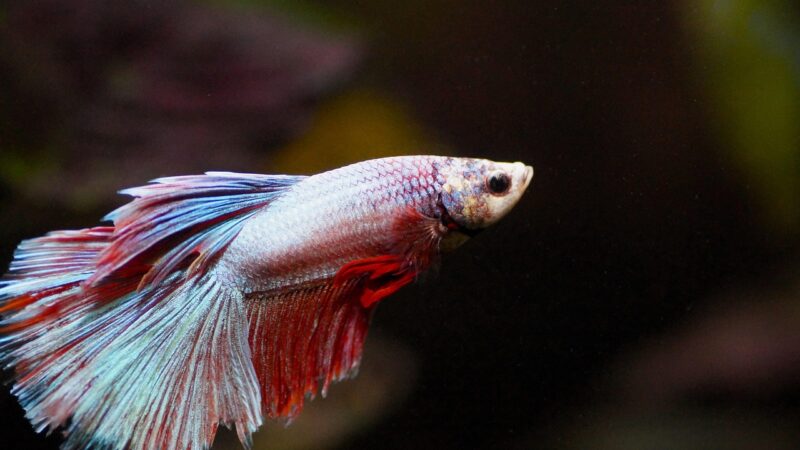
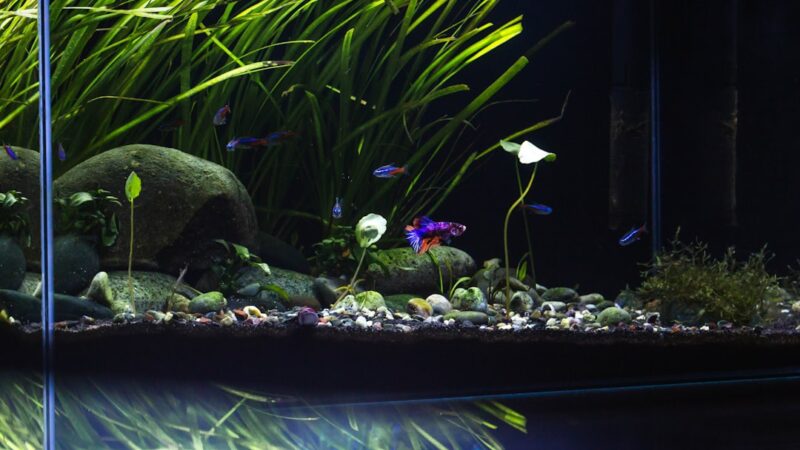
Choose fish that complement the stillness rather than compete with it. A single betta with flowing fins becomes a living brushstroke against white sand. A small group of six to eight Boraras brigittae (chili rasboras) adds a whisper of red movement. Amano shrimp keep the sand and stones clean without visually cluttering the scape. Avoid large or hyperactive species — a school of 20 fast-swimming danios would overwhelm the meditative atmosphere you have worked to create.
Maintenance and Keeping It Pristine
White sand shows every speck of debris and algae, making maintenance non-negotiable. Siphon the sand surface lightly during every water change — weekly at minimum. Spot-clean diatom growth on stones with a soft toothbrush. Run the tank light for no more than seven hours daily to slow algae on the bright sand. A small internal filter or canister with a low-flow outlet prevents detritus from settling visibly. The discipline of maintaining a zen garden aquascape mirrors the meditative practice it represents — regular, mindful, and ultimately calming.
Related Reading