
Archerfish Care Guide: The Sharpshooter of Brackish Aquariums
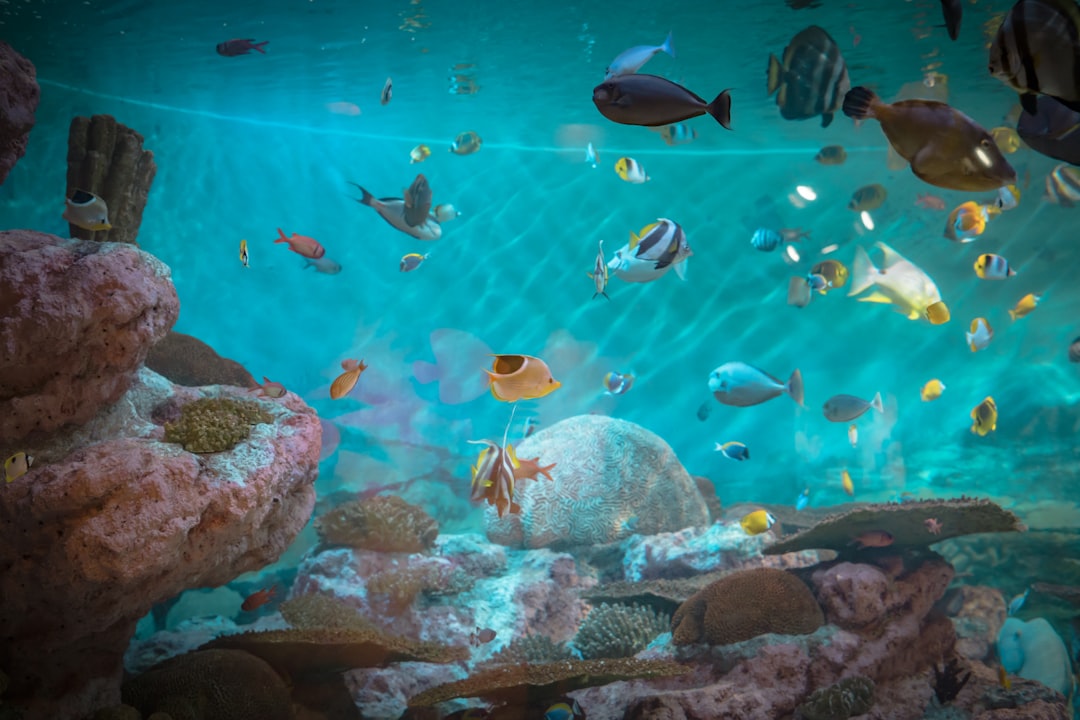
Archerfish are the aquarium hobby’s most behaviorally spectacular species — they genuinely shoot jets of water at insects above the surface with pinpoint accuracy, accounting for refraction at the water surface as they aim. A complete archerfish care guide needs to address this unique behaviour alongside the brackish water requirements that most people underestimate. Gensou Aquascaping at 5 Everton Park, Singapore, has kept archerfish for years, and setting up a tank that allows their natural hunting behaviour is the key to truly appreciating these fish.
Species in the Trade
Several species of the genus Toxotes appear in the aquarium trade. Toxotes jaculatrix is the most common — a schooling species reaching 20–25 cm, found throughout estuarine and mangrove habitats from India through Southeast Asia (including Singapore’s own coastal waters). Toxotes chatareus is slightly larger and more tolerant of freshwater. Both species are wild-caught; no commercial captive breeding supply exists. Expect prices of $15–40 SGD per fish depending on size, with juvenile specimens proving easiest to acclimate.
Brackish Water Requirements
Archerfish are brackish specialists from estuarine habitats. Specific gravity 1.005–1.010 (6–13 grams of marine salt per litre) suits them well; pure freshwater leads to chronic stress, poor immunity, and shortened lifespan. pH 7.5–8.0, temperature 24–28°C, and moderate to high hardness (12–20 dGH) complete the target parameters. Singapore’s PUB tap water works as a base — the salt addition raises both salinity and buffering capacity appropriately.
Top up evaporated water with freshwater only, and add salt during partial water changes to maintain consistent salinity. Sudden drops or spikes in specific gravity stress archerfish significantly — invest in a reliable refractometer rather than relying on a cheap hydrometer for accuracy.
Tank Size and Design
Archerfish are mid-to-surface dwellers and active swimmers. A minimum of 200 litres is needed for a small group; a 300+ litre tank gives them proper room to move and reduces territorial disputes. The most critical design consideration is air space above the water — leave 15–20 cm of empty space between the water surface and the tank lid or any overhanging features. This is where archerfish hunt, and the gap allows their spitting behaviour to develop naturally.
A tight-fitting lid is essential. Archerfish jump readily, particularly when startled. The lid must also allow you to place live insects above the waterline for enrichment feeding, so a design with removable panels or a hinged section at the top is practical.
Feeding: The Key to Natural Behaviour
Archerfish are surface-oriented carnivores in nature. They eat insects, small crustaceans, and small fish near the water surface. In captivity, they accept floating pellets, freeze-dried insects, and surface-placed live or dead crickets. The famous shooting behaviour is triggered by prey positioned above the waterline — drape live crickets or stick insects from a branch placed over the open top, and the fish will shoot them down.
Gut-loaded crickets, mealworms, and small cockroaches (available from reptile supply shops in Singapore) provide excellent nutrition and stimulate natural hunting instinct. A diet combining floating pellets as the base with live insect enrichment three to four times per week produces fish in peak condition.
Social Behaviour and Grouping
Toxotes jaculatrix is naturally a schooling species. Groups of four to six display far more natural behaviour than singleton fish, which become withdrawn and may refuse food. In groups, archerfish spar for shooting position at the surface and actively compete to hit insect targets — the behaviour is remarkable to watch. Maintain roughly equal sizes within the group to prevent bullying; larger individuals will monopolise food access if there is a significant size disparity.
Compatible Tankmates
The brackish environment narrows options. Monos (Monodactylus argenteus), larger scats, Colombian shark catfish (Ariopsis seemanni), and brackish mollies tolerate the same salinity range. Avoid slow-moving or small fish that archerfish may target or outcompete at feeding time. Freshwater flounders on the substrate work well as a complementary bottom-level species — they occupy completely different water layers and have no feeding competition with surface-oriented archerfish.
Long-Term Health
Archerfish are long-lived — up to 10 years with proper care. The most common health failures come from incorrect salinity (too low) and inadequate feeding variety. Wild-caught fish sometimes carry internal parasites; a prophylactic treatment with praziquantel during initial quarantine is advisable. Regular water changes of 20–25% weekly and stable salinity prevent the majority of health issues. This archerfish care guide approach — correct salinity from day one, surface air gap, and live insect enrichment — consistently produces fish that display their full, extraordinary behavioural repertoire.
Related Reading



