
Best Fish Food for Colour Enhancement: Astaxanthin and Carotenoids
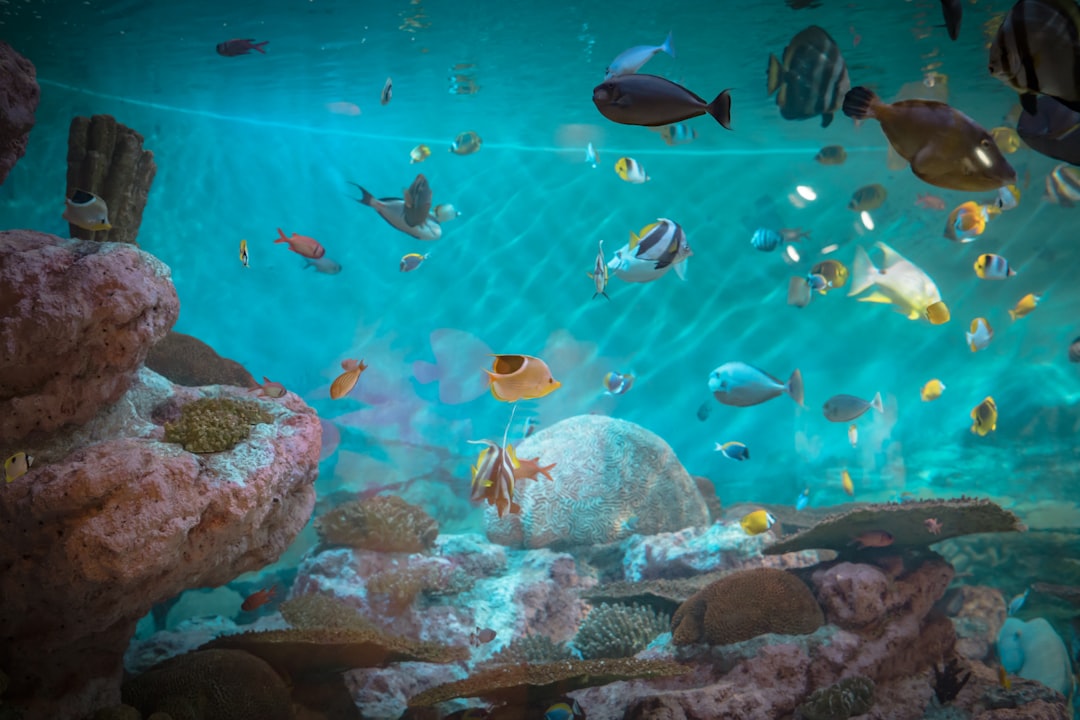
A fish that looks washed out is rarely thriving — vibrant colour is one of the clearest signs of health and proper nutrition. The best fish food for colour enhancement works by supplying pigment precursors your fish cannot synthesise on their own: primarily astaxanthin, canthaxanthin, and beta-carotene. At Gensou Aquascaping in Everton Park, Singapore, we field questions about colour daily, and the answer almost always starts with diet rather than lighting or water chemistry.
How Pigmentation Actually Works
Fish get their reds, oranges, and yellows from carotenoid pigments deposited in specialised cells called chromatophores. Unlike humans, fish cannot produce carotenoids from scratch — every molecule must come from food. Astaxanthin is the most potent of these, sitting at around 10 times the antioxidant activity of beta-carotene, and it’s responsible for the vivid crimson of discus, the deep orange of koi, and the intense red of cardinal tetras kept in optimal conditions.
Blues and structural colours work differently — they rely on iridophores and light refraction rather than pigment — so no amount of food will turn a pale neon tetra into a laser-blue specimen. However, contrast and overall vitality improve noticeably when nutrition is correct.
Astaxanthin: The Key Ingredient to Look For
When comparing colour-enhancing foods, check the ingredient list for astaxanthin listed explicitly, not just “natural colour enhancers.” Quality products such as Hikari Tropical Colour Enhancing Pellets and Ocean Nutrition Formula One list astaxanthin among the first five ingredients. Synthetic astaxanthin is effective; algae-derived astaxanthin from Haematococcus pluvialis is slightly more bioavailable but commands a higher price — typically $18–$30 per 100 g at local aquarium shops.
Spirulina and Whole Algae as Carotenoid Sources
Spirulina is a practical, affordable carotenoid source that delivers beta-carotene, zeaxanthin, and phycocyanin in one ingredient. It works especially well for livebearers, cichlids, and herbivorous species like mollies and certain plecos. Sera Spirulina Tabs and Hikari Spirulina Wafers are reliable choices widely available on Shopee and Lazada in Singapore, often at $8–$15 for a 100 g pack. Feed spirulina-based foods three to four times a week rather than as the sole diet.
Krill, Brine Shrimp, and Protein-Rich Colour Foods
Whole krill and brine shrimp are naturally dense in astaxanthin because crustaceans accumulate it from the algae they consume. Frozen brine shrimp — particularly San Francisco Bay Brand or locally sourced frozen bloodworm and krill from Serangoon North — delivers colour pigments alongside high-quality protein that supports tissue repair and fin regeneration. Dried krill flakes lose some astaxanthin during processing, so frozen is consistently better for colour work.
For carnivorous species like flowerhorns and discus, look for pellets with krill or shrimp meal in the top three ingredients. Products marketed specifically for discus, such as Tetra Discus and Sera Discus Color, typically meet this standard.
Feeding Frequency and Portion Size
Colour enhancement is cumulative — results take four to eight weeks of consistent feeding to become visible. Two to three small feedings per day outperform one large feeding, because smaller, frequent meals reduce waste and keep pigment intake steady. Each portion should be consumed within two minutes; anything left over is a sign you’re overfeeding, which raises ammonia and paradoxically dulls fish colour by stressing the immune system.
In Singapore’s warm ambient temperatures of 28–30°C, fish metabolism runs fast and appetite is high year-round — which means colour food works efficiently, but also that overfeeding spoils water quality faster than in cooler climates.
Supplementing With Natural Foods
No commercial food replicates the breadth of a natural diet. Blanched spinach, blanched zucchini, and daphnia all provide carotenoids and variety. For cichlids and larger fish, prawns and mussel meat (available at wet markets island-wide) provide natural pigment at zero cost. Variety across the week — a colour pellet as the base, frozen brine shrimp twice weekly, and occasional vegetable matter — consistently outperforms any single “complete” food.
What Colour Food Cannot Fix
Even the best fish food for colour enhancement cannot overcome poor water quality, disease, or genetic limitations. If your fish are pale despite a strong diet, check ammonia and nitrite first, then look for signs of internal parasites or stress from tankmates. Adequate lighting also matters — fish kept in dim conditions often look washed out regardless of nutrition, because colour perception depends partly on the fish’s own hormonal response to light cycles. Full-spectrum LEDs running on a 10-hour photoperiod make a measurable difference to apparent vibrancy.
Recommended Products at a Glance
- Hikari Tropical Colour Enhancing Pellets — reliable astaxanthin source for small to medium tropical fish
- Sera Discus Color — krill-rich formula suited to discus and large cichlids
- Hikari Spirulina Wafers — best for herbivores and bottom feeders
- Frozen brine shrimp (any reputable brand) — highest bioavailable astaxanthin per gram
- Ocean Nutrition Formula One Flakes — broad-spectrum flake with strong colour results for community tanks
The team at Gensou Aquascaping is happy to advise on the right combination for your specific fish — colour is one of those areas where a tailored approach almost always beats a one-size-fits-all product.
Related Reading



