
Best Fish for a Heavily Planted Tank: Species That Thrive in Green
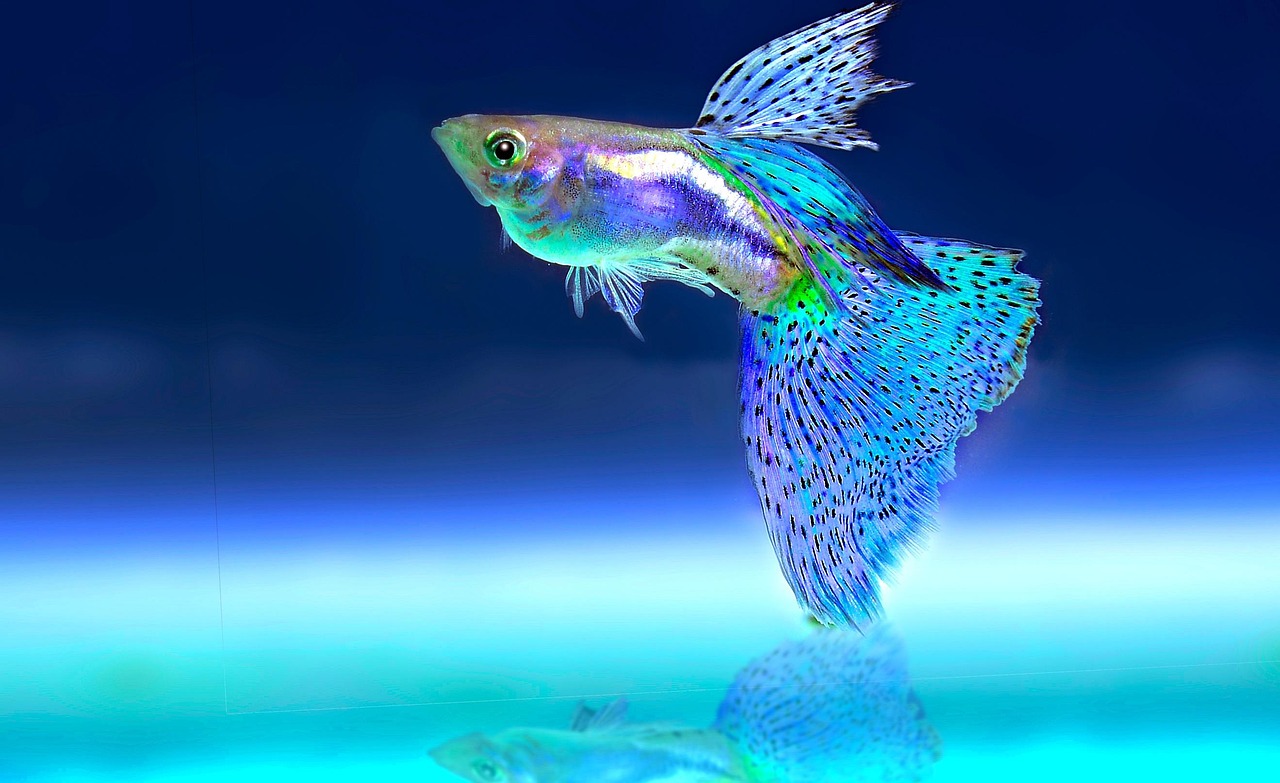
Choosing fish for a densely planted aquarium is about far more than aesthetics. The wrong species will bulldoze your carefully placed foreground carpet, cloud the water with digging, or strip leaves from prized stem plants within days. The best fish for a heavily planted tank are those that work with the planted environment — species that use plant cover for shelter, feed from the water column rather than the substrate, and pose no threat to root systems. This best fish heavily planted tank guide from Gensou Aquascaping at 5 Everton Park, Singapore helps you stock smartly from the start.
Why the Right Fish Choice Matters So Much
A planted tank is a precision ecosystem. Roots anchor into substrate, carpets like Monte Carlo and HC Cuba spread across the foreground, and stem plant arrangements take weeks to establish their height and density. One pair of cichlids rearranging the layout or a large pleco scraping at delicate leaf surfaces can set you back significantly. Fish selection is as much a design and maintenance decision as plant selection.
Small Tetras and Rasboras
This group is the default choice for planted aquariums, and for good reason. Species like ember tetras (Hyphessobrycon amandae), chili rasboras (Boraras brigittae), and green neon tetras (Paracheirodon simulans) stay small — typically 2–3 cm — school naturally in the mid-water, and interact with plants only by sheltering among them. Their small bioload keeps nitrate levels manageable even in densely planted tanks with modest filtration.
In Singapore, these species are reliably available at shops around the Serangoon North area and through Carousell breeders. A school of 12–15 ember tetras in a 60-litre planted tank creates constant movement without generating the waste levels that would require aggressive filtration and disturb plant roots.
Corydoras for the Substrate
Pygmy corydoras (Corydoras pygmaeus) and dwarf corydoras (Corydoras hastatus) are the planted tank keeper’s bottom-dwelling ally. Unlike their larger relatives — C. paleatus or C. aeneus — these miniature species are light enough not to disturb foreground carpets. They sift gently through the top millimetre of substrate, consuming detritus and uneaten food without uprooting plants. Keep them in groups of 6 or more; they are genuinely social and display far more interesting behaviour in numbers.
Otocinclus for Algae Control
Otocinclus catfish are purpose-built for planted tanks. They rasp soft green algae and green dust algae from broad leaves — Anubias, Echinodorus, and Cryptocoryne species benefit particularly — without damaging the leaf surface itself. At 3–4 cm, they are small enough not to disturb plant arrangements, and their sucker mouths do not threaten stem plants. Keep a minimum of 4–6, as they are social and individual fish kept alone decline quickly. Supplement with blanched courgette or algae wafers once tank algae is depleted.
Dwarf Gouramis and Sparkling Gouramis
Gouramis occupy the upper water layers and interact minimally with the substrate or midground plants. Sparkling gouramis (Trichopsis pumila) are particularly well suited to smaller planted tanks — at under 4 cm, a pair or trio in a 30-litre aquascape creates a focal point without the aggression issues of larger dwarf gourami males. Their croaking communication, audible if the room is quiet, adds an extra dimension to the tank-keeping experience.
Shrimp as Livestock Companions
Neocaridina and Caridina shrimp are not fish, but they deserve a place in any planted tank discussion. Cherry shrimp, blue velvet shrimp, and crystal red shrimp provide continuous algae and detritus cleanup at a scale no fish can match. They do not uproot plants, do not generate significant bioload, and their activity through plant surfaces is endlessly watchable. The main caveat is tank-mate selection — most tetras and rasboras will eat small or juvenile shrimp, so a shrimp-first planted tank should be stocked with smaller, peaceful species.
Species to Avoid in Planted Tanks
Goldfish and most pond species are obvious candidates to exclude. Less obvious but equally problematic: large plecostomus species (over 12 cm) that rasp stem plant leaves; cichlids that dig — including many otherwise attractive species like convict cichlids and severums; and rainbowfish species large enough to produce bioloads that challenge planted tank filtration.
Silver dollars (Metynnis spp.) will denude a planted tank of every soft-leaved plant within days — they are herbivores by design. Large barbs like tiger barbs kept in small numbers will fin-nip; they also uproot plants when chasing each other through the substrate.
Stocking Density and Order
In a planted tank, the plants themselves handle a significant portion of the biological load — a densely planted 90-litre tank can support more fish than the standard “1 cm of fish per litre” rule suggests, but this only applies once the tank is fully established and plants are actively growing. Start lean: introduce a small cleanup crew of shrimp and otocinclus, let plants establish for 4–6 weeks, then introduce schooling fish. The team at Gensou Aquascaping recommends adding no more than 10–15% of your intended stocking in any single introduction to avoid overwhelming the biological filter.
Related Reading



