
Betta Picta Care Guide: Java Mouthbrooding Betta
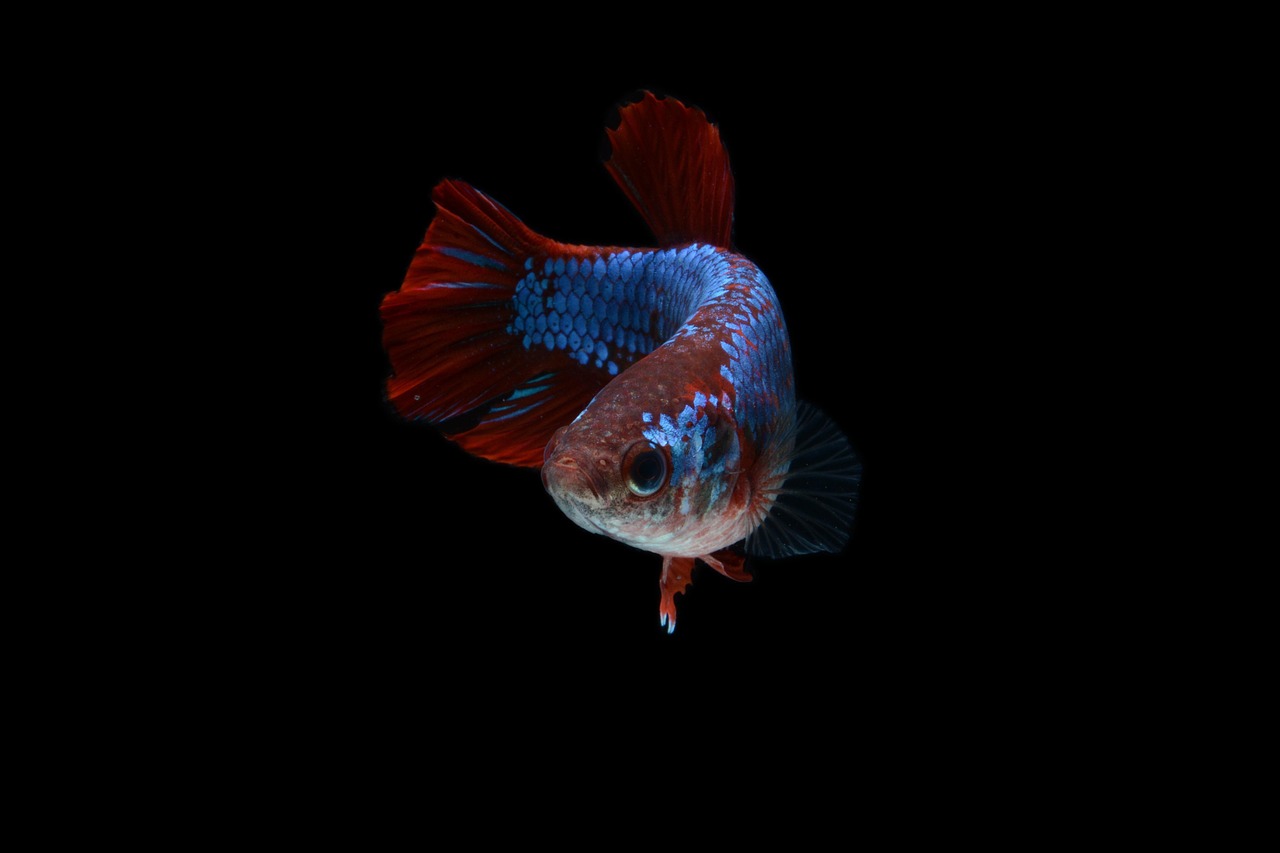
Among mouthbrooding bettas, Betta picta sits at the tolerant end of the spectrum, a Javan endemic that forgives keepers who cannot dial their water down to pH 5.0. This betta picta care guide from Gensou Aquascaping in Singapore explains why picta makes a sensible first mouthbrooder for anyone stepping up from domestic bettas. The species lives in cooler hill streams rather than peat swamps, which changes the care profile significantly. Expect a fish that accepts near-neutral water, breeds readily, and shows surprising personality for something under 6 cm.
Quick Facts
- Scientific name: Betta picta (Valenciennes, 1846)
- Origin: highland streams of Java and Sumatra, Indonesia
- Adult size: 5-6 cm
- Water: pH 6.0-7.5, GH 2-10, tolerates moderate hardness
- Temperature: 20-26°C, cooler than most wild bettas
- Breeding: paternal mouthbrooder, 9-12 days
- Lifespan: 4-5 years
Why Picta Is Different
Unlike peat-swamp mouthbrooders, picta evolved in fast-flowing hill streams with oxygenated, near-neutral water. This means higher flow, cooler temperature, and less obsession with tannins. For Singapore keepers, picta is one of the few wild bettas that benefits from a fan or small chiller because ambient room temperature above 28°C slowly shortens its life. A fan blowing over the surface drops tank water to 25-26°C comfortably.
Tank Setup
A 40-litre tank with a 60 cm footprint suits a pair or small group. Use a small powerhead or a filter with a gentle spray bar to simulate stream flow. Substrate can be fine gravel or sand; include smooth river cobbles, driftwood, and sparse planting with Vallisneria and Anubias. Unlike blackwater bettas, picta does not require heavy leaf litter, though a couple of catappa leaves add useful humic compounds.
Water Chemistry
Singapore PUB tap water at GH 2-4 and pH 7.2 works directly after dechlorination. No RO blending is needed. Keep KH above 2 to prevent pH swings. Monthly use of seachem Prime plus a weekly 25 percent water change is sufficient. Target nitrate under 15 ppm for optimal colour on males.
Feeding
Picta is omnivorous and accepts pellets faster than other wild bettas. Offer a rotation of Hikari Micro Pellets, frozen bloodworm, daphnia, and occasional live blackworms. Feed twice daily in small portions. The species rarely refuses food, which makes conditioning pairs for breeding straightforward.
Social Behaviour
Picta can be kept in groups of 5-8 in tanks above 60 litres, unusual for bettas. Dominance hierarchies form but real violence is rare. Compatible tankmates include Rasbora einthovenii, Microdevario kubotai, and small loaches. Avoid shrimp if breeding is planned; picta eagerly hunts dwarf shrimp.
Mouthbrooding
Spawning occurs in mid-water near dense plant cover. Eggs are transferred to the male’s mouth via the usual spit-and-catch routine. He holds 30-60 eggs for 9-12 days at 24°C. Brood size exceeds that of blackwater mouthbrooders because picta fry are smaller and more numerous. Release happens gradually over a day, with fry scattering into plant cover immediately.
Fry Care
Fry measure 4-5 mm at release and require infusoria or vinegar eels for the first week before graduating to baby brine shrimp. Raise them in the parent tank; picta shows no cannibalism. Growth is faster than blackwater species; juveniles reach 2 cm in 6 weeks. Males colour up at 3-4 months with characteristic pattern of alternating dark bars.
Buying Picta
Picta is imported occasionally into Singapore for $15-30 per pair, often mixed with Betta taeniata. Check for clamped fins and pale colouration; healthy picta show strong horizontal banding at all times. Indonesian captive-bred stock is readily available and well-adapted to aquarium life.
Related Reading
Wild Betta Species Care Guide
Betta Channoides Care Guide
Betta Albimarginata Care Guide
Wild Betta Breeding Guide
Betta Smaragdina Care Guide



