
Blue Mystery Snail Care Guide: Sky-Blue Shell and Gentle Nature
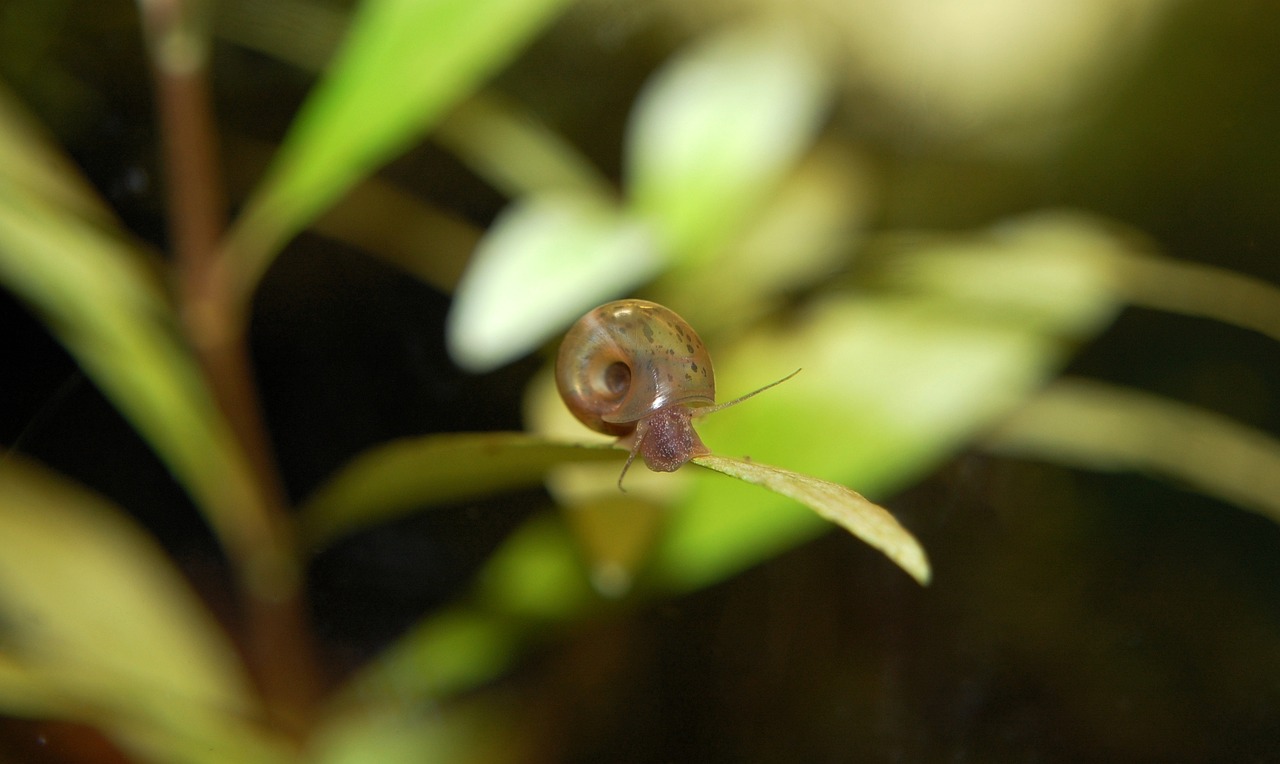
With their striking sky-blue shell and curious, antenna-waving exploration, blue mystery snails (Pomacea bridgesii) bring colour and personality to any freshwater setup. This blue mystery snail care guide from Gensou Aquascaping at 5 Everton Park, Singapore, covers shell care, feeding and breeding essentials. Unlike many snail species, mystery snails do not eat healthy plants, making them a genuinely plant-safe cleanup crew. Their gentle pace and vivid colouration have earned them a devoted following among hobbyists of all levels.
Species Background
Pomacea bridgesii, sometimes sold as spike-topped apple snail, originates from the rivers and wetlands of South America, particularly Brazil, Bolivia and Paraguay. The blue colour morph is produced through selective breeding: a combination of a dark body and a shell lacking yellow pigment creates the distinctive blue appearance. Adults reach 5-6 cm in shell diameter and live 1-2 years under good conditions. They possess both a gill and a lung-like organ, allowing them to breathe atmospheric air by extending a siphon to the surface.
Tank Requirements
One mystery snail requires at least 20 litres, with an additional 10 litres per extra snail. A secure lid is essential because they frequently climb above the waterline and can escape through surprisingly small gaps. Standard community tanks of 60 litres and above accommodate two to three snails comfortably alongside fish. Substrate choice is flexible, though sharp gravel should be avoided as it can chip the shell. Smooth sand or rounded gravel works well.
Water Parameters and Shell Health
Target pH 7.0-8.0, GH 8-15, KH 4-8 and a temperature of 22-28 °C. Calcium is the critical factor for shell integrity. Singapore’s PUB tap water is soft (GH 2-4), which can lead to shell erosion, pitting and thin growth lines over time. Supplement with crushed coral in the filter, a cuttlebone placed in the tank, or a dedicated calcium supplement. Without adequate calcium, the blue shell develops white patches and becomes brittle. Water temperature in Singapore’s ambient conditions of 28-30 °C is acceptable, though it may slightly shorten lifespan compared to cooler keeping.
Feeding
Mystery snails are omnivorous scavengers that eat biofilm, decaying plant matter and leftover fish food. Supplement their diet with blanched vegetables: zucchini, spinach, kale and carrots are all readily accepted. Sinking algae wafers and calcium-enriched snail pellets provide essential nutrition. Drop food in the evening when snails are most active. A well-fed mystery snail grows faster and maintains a thicker, more vibrant shell. Avoid overfeeding, which degrades water quality and invites pest snails.
Behaviour
Blue mystery snails are endlessly entertaining. They glide along glass, plants and hardscape using a broad muscular foot, occasionally pausing to extend their long tentacles and investigate the environment. A healthy snail is active and curious. When disturbed, they retract fully into the shell and seal the opening with a hard operculum. If a snail remains retracted for more than 48 hours or produces a foul smell, it may have died and should be removed immediately to prevent an ammonia spike.
Breeding
Unlike many aquarium snails, mystery snails lay eggs above the waterline in a distinctive pink or white clutch. A female deposits a cluster of 50-200 eggs on the tank lid, light fixture or any surface above the water. The clutch hardens within hours and incubates for 2-4 weeks depending on humidity and temperature. Baby snails drop into the water upon hatching at roughly 3 mm. They grow rapidly with adequate food and calcium. If you do not want breeding, simply remove egg clutches within 24 hours of being laid.
Tank Mates
Mystery snails are compatible with nearly all peaceful community fish, shrimp and other snails. Avoid aggressive species known to nip antennae, such as certain cichlids, pufferfish and large loaches like Botia species. Crayfish will kill and eat them. Ideal companions include tetras, rasboras, corydoras, otocinclus and Neocaridina shrimp. In a planted aquascape, their gentle grazing on biofilm and detritus complements rather than competes with other cleanup crew members.
Purchasing in Singapore
Blue mystery snails are readily available at most local fish shops and from hobbyist sellers on Carousell, priced at $2-5 each depending on size and shell quality. Inspect shells before buying: avoid snails with deep pitting, cracks or thin translucent patches. A healthy specimen has a smooth, evenly coloured shell and an active foot. Gensou Aquascaping, with over 20 years of hands-on experience, can advise on water preparation and calcium management that follows this blue mystery snail care guide for long-lasting shell health.
Related Reading



