
Blue Ramshorn Snail Care Guide: Colourful and Prolific
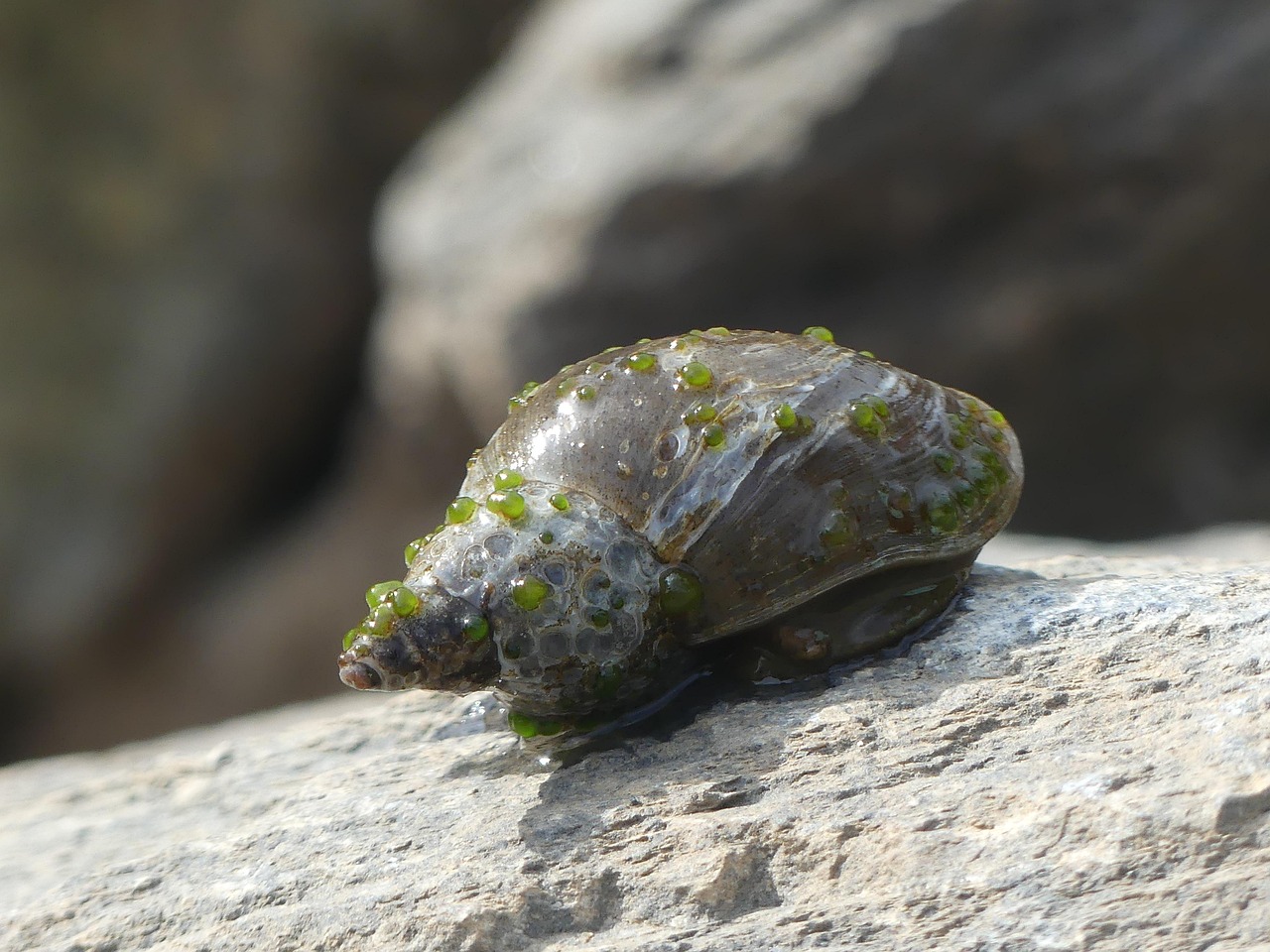
The blue ramshorn snail is one of those quiet aquarium residents that earns its keep through tireless algae cleanup and decomposing leaf removal, all while adding a splash of unexpected colour. Their translucent blue-grey shells spiral flat like a miniature nautilus, making them visually distinct from the typical brown pest snails that hitchhike into tanks on new plants. This blue ramshorn snail care guide from Gensou Aquascaping at 5 Everton Park, Singapore, covers their care, breeding tendencies, and how to keep their population from overwhelming your aquascape.
Species Background
Planorbella duryi (sometimes classified as Planorbarius) is the species behind most ornamental ramshorn snails in the aquarium trade. The blue colour morph results from a recessive gene that eliminates the red haemoglobin-like pigment in the snail’s body, allowing the bluish-grey body tissue to show through the translucent shell. Wild-type ramshorns carry red blood pigment, giving them a brown appearance. Blue ramshorns breed true when kept in isolation, but crossing with brown or red variants can produce mixed offspring that revert to wild colouration within a generation.
Tank Conditions
Ramshorn snails are remarkably adaptable. They tolerate pH 6.5-8.0, GH 4-15, KH 3-10, and temperatures from 20-28 °C. Singapore’s tap water sits comfortably in this range after basic dechlorination. The one parameter worth paying attention to is calcium availability — ramshorns need adequate calcium for shell growth and maintenance. Soft, acidic water can slowly erode their shells, creating pitting and thinning. If your GH is below 5, supplement with a cuttlebone fragment placed in the tank, crushed coral in the filter, or occasional calcium-rich foods like blanched kale.
Feeding and Cleanup Duties
Blue ramshorns are detritivores and algae grazers first, supplemental feeders second. In a well-stocked planted tank, they thrive on biofilm, soft algae, decaying plant matter, and leftover fish food without any dedicated feeding. In snail-only or low-bioload tanks, offer blanched vegetables — zucchini, spinach, and cucumber are favourites. Algae wafers and calcium-enriched snail food provide minerals that support shell health. Avoid overfeeding, as excess food directly fuels population explosions.
Population Management
Ramshorn snails are hermaphrodites — every individual can both fertilise and lay eggs. Egg clutches appear as transparent jelly-like blobs on glass, leaves, and hardscape, each containing 10-40 eggs that hatch in 10-14 days. Under favourable conditions, populations can double monthly. Controlling numbers requires managing food supply. Reduce feeding, remove decaying organic matter promptly, and avoid overstocking your fish (less waste means less snail food). Manual removal of visible egg clutches also helps. Assassin snails (Clea helena) are an effective biological control widely available in Singapore for $2-4 each.
Compatibility With Fish and Shrimp
Blue ramshorns coexist peacefully with nearly all community fish, shrimp, and other invertebrates. They are completely safe in planted tanks — healthy plant tissue is almost never consumed, despite persistent myths. Species that actively eat snails include pufferfish, loaches (especially Botia species), and larger cichlids; avoid these tankmates if you want your ramshorn population to survive. Shrimp tanks benefit enormously from ramshorn addition — the snails break down biofilm and detritus into forms that shrimp readily consume.
Shell Health and Appearance
A healthy blue ramshorn displays a smooth, translucent shell with even colouration and no white erosion lines. Shell damage from acidic or mineral-poor water is irreversible on existing growth but new growth will be healthy once conditions improve. Strong shells require consistent GH above 5 and moderate KH to buffer pH stability. Copper is lethal to snails even at low concentrations — never use copper-based medications in a tank containing ramshorns, and check that any fish treatments you use are invertebrate-safe.
Breeding for Colour Quality
Maintaining a pure blue colony requires culling any offspring that show brown or red body pigmentation. Check juveniles once they reach 3-5 mm — brown-bodied individuals are visible against a white background. Remove them to a separate tank or feed them to snail-eating fish. Over several generations, selective removal strengthens the blue trait in your colony. True blue ramshorns sell for $1-3 each in Singapore, with larger specimens and breeding-size groups commanding slightly higher prices on Carousell.
Small Snail, Big Impact
Blue ramshorn snails may not be the star of your tank, but they perform essential maintenance duties while adding subtle beauty that visitors always notice. Their undemanding care requirements and compatibility with virtually any peaceful community make them a universal aquarium asset. This blue ramshorn snail care guide gives you the knowledge to keep them thriving and, more importantly, to keep their numbers in check. In Singapore’s warm, reasonably soft water, they require almost nothing beyond what a healthy aquarium already provides.
Related Reading



