
Blue Tiger Shrimp Care Guide: Orange Eyes and Blue Stripes
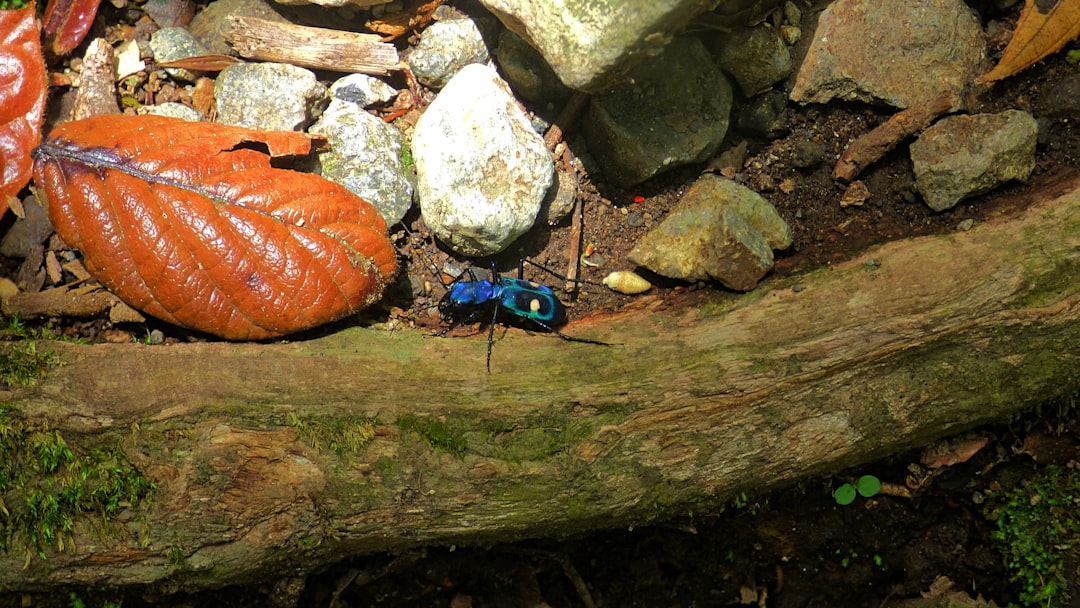
The Blue Tiger shrimp is a selectively bred colour morph of the tiger shrimp (Caridina cantonensis) that combines vivid blue body colouration with striking orange or deep black eyes. Their bold appearance makes them standout inhabitants in planted nano tanks. This Blue Tiger shrimp care guide from Gensou Aquascaping at 5 Everton Park covers this intermediate-level Caridina species.
Blue Tiger Shrimp Overview
Blue Tiger shrimp are a selectively bred variant originating from the common tiger shrimp. Adults reach 2.5–3 cm. The most sought-after variant — the Orange Eye Blue Tiger (OEBT) — features a translucent blue body with dark tiger stripes and bright orange eyes that contrast strikingly against the blue. Royal Blue Tigers have deeper, solid blue colouration. They live for one to two years and breed readily once established in suitable conditions.
Water Parameters
Blue Tigers require soft, acidic water typical of Caridina species but are slightly more forgiving than Taiwan Bee or Crystal Red shrimp. Target temperature 20 °C–25 °C, pH 6.0–7.2, GH 4–8 dGH, KH 0–4 dKH and TDS 120–200 ppm. Use active buffering substrate (aqua soil) to maintain acidic conditions. Singapore’s soft tap water is a good starting point — blend with RO water if needed to achieve target TDS. Consistency is more important than hitting exact numbers.
Tank Setup
A 20–30 litre nano tank comfortably houses a breeding colony of 15–20 shrimp. Use aqua soil as the substrate for pH buffering. Provide plenty of moss (Java Moss, Christmas Moss), driftwood and leaf litter for grazing surfaces. A mature sponge filter provides both gentle filtration and biofilm for the shrimp to graze. Avoid strong flow — shrimp prefer calm water. Maintain stable parameters with minimal fluctuation.
Diet and Feeding
Blue Tigers are omnivorous grazers that constantly pick at biofilm, algae and decomposing plant matter. Supplement with high-quality shrimp pellets (Glasgarten, Shrimp King, Borneo Wild), blanched vegetables (zucchini, spinach), mulberry leaves and mineral-rich foods like Snowflake food (soybean shells). Feed small amounts every other day — overfeeding in small shrimp tanks is the fastest way to crash water quality. Remove uneaten food after two hours.
Breeding
Blue Tigers breed readily in well-maintained tanks. Females carry 15–30 eggs for approximately 28–30 days before releasing fully formed miniature shrimp. No larval stage — the babies are independent from birth and immediately begin grazing on biofilm. Provide dense moss for shrimplets to hide from larger tank mates (including adult shrimp, which may cannibalise very small juveniles). A dedicated breeding tank with only Blue Tigers produces the highest survival rates.
Colour Grades
Selective breeding has produced several grades. Higher-grade shrimp have deeper, more uniform blue colouration, sharper stripes, and brighter orange eyes. Lower grades show translucent or patchy blue with faded stripes. Breeding consistently high-grade offspring requires starting with quality stock and culling lower-grade shrimp from the breeding colony. The orange eye trait is recessive — crossing OEBT with regular tiger shrimp may produce offspring with normal black eyes in the first generation.
Tank Mates
Keep Blue Tigers in a species-only tank or with other peaceful invertebrates (snails, other small shrimp). Any fish, even small ones, may eat baby shrimp. If keeping with fish, only the smallest, most peaceful species (otocinclus, very small rasboras) are marginally safe, and expect lower shrimplet survival. For maximum breeding success and colour development, species-only is strongly recommended.
Common Health Issues
Moulting problems are the primary concern — caused by mineral deficiency, parameter instability or sudden water chemistry changes. Ensure adequate GH (calcium and magnesium) for healthy shell formation. Failed moults, where the shrimp cannot shed its old exoskeleton, are often fatal. White ring of death (a white band behind the head) indicates a moult failure in progress — little can be done once it appears, but maintaining stable mineral-rich water prevents it.
Related Reading
- Aura Blue Shrimp Care Guide: Caridina Cantonensis Blue Morph
- How to Breed Blue Bolt Shrimp: Taiwan Bee Colour Selection
- Blue Bolt Shrimp Care Guide: The Crown Jewel of Caridina
- How to Breed Blue Dream Shrimp: Neocaridina Colour Line Selection
- Blue Dream Shrimp vs Blue Velvet Shrimp: Grade and Colour Differences



